A Guide to Cask Fermentation
When it comes to alcoholic drinks I am a wine professional first and foremost, wine is the field I am most comfortable in. Wine is a vast subject that often leaves me feeling a little stupid but it has provided me with a great framework for understanding the intricacies of other forms of fermentation. When I started to work in bars that served cask beer alongside the wine list it was my knowledge of wine that helped me to get my head around the ins and outs of the pints.
When writing these educational guides to beer I think it is important that it is not just beer we spend time with, but the ways that beer relates to other food and drinks, so we can understand in turn how we relate to beer and why that might be. So for this enthusiast guide to fermentation we’re going to take a little look at cask beer and how it relates to other forms of fermented food and drink. Let’s get stuck in.

- What is fermentation?
- What role does fermentation play in cask beer?
- What else can undergo fermentation?
- How does cask relate to wine?
- How does cask beer relate to cheese?
- How does cask beer relate to pickles?
-
What is fermentation?
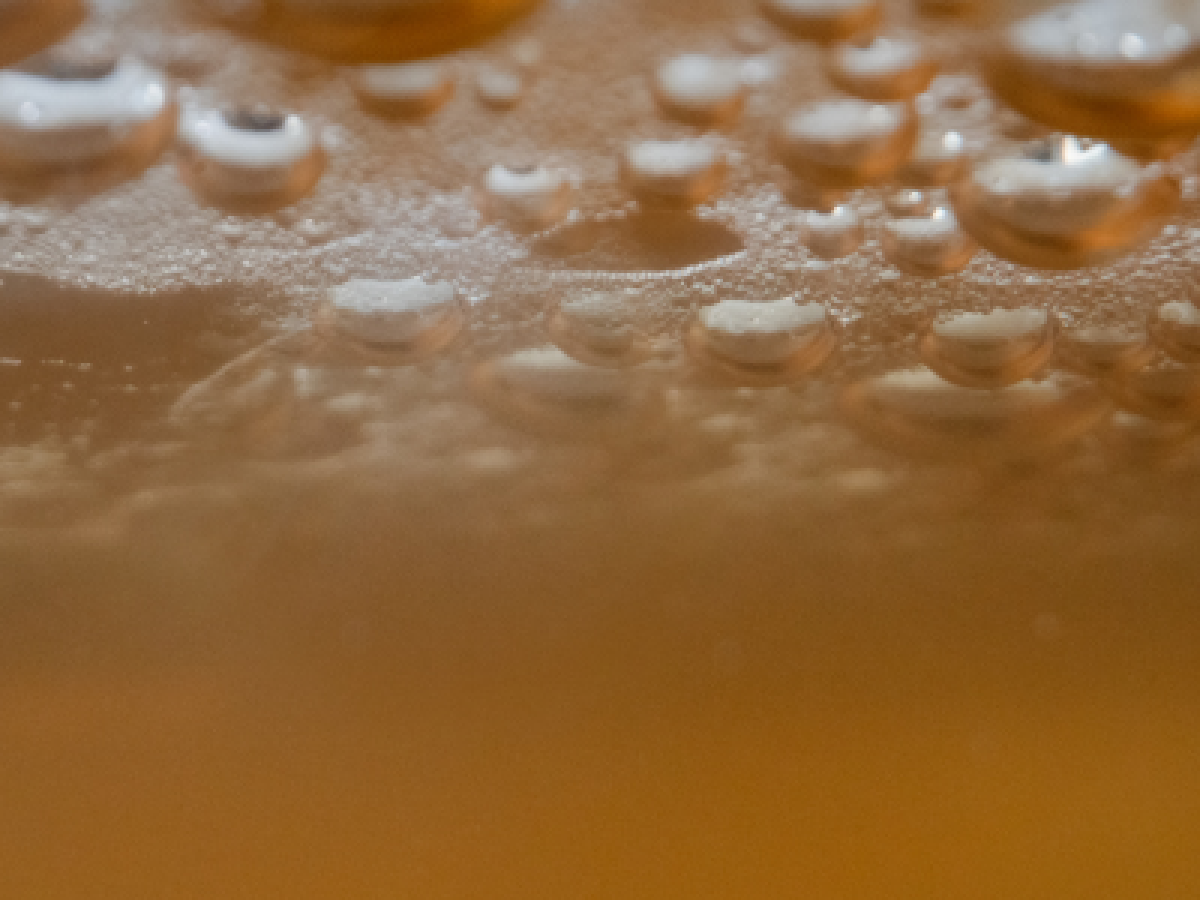
Hopefully you should have a grasp of what fermentation is by now, but if not let’s just cover it whilst we’re here. Yeast cells come into contact with sugar and start to devour them, producing alcohol and carbon dioxide as it does so. Fermentation is slow to begin with, but the process gains momentum as the yeast gets going and will manifest in various ways depending on the form the sugar takes. So let’s take a look at what fermentation looks like in cask beer.
-
What role does fermentation play in cask beer?
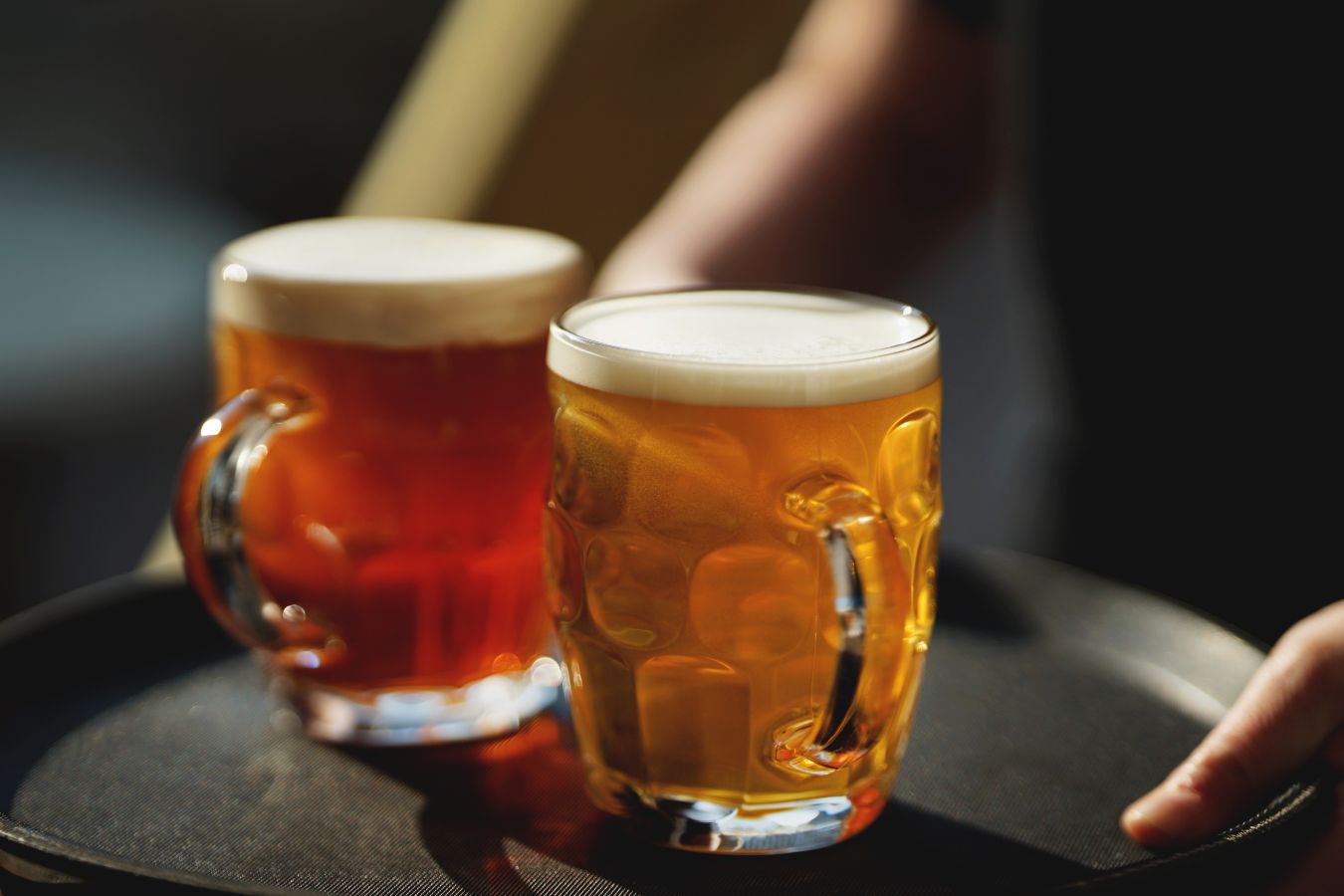
Cask beer is often referred to as a live beer and this is down to the role fermentation plays in your pint. Cask conditioning is the term used to describe the secondary fermentation a cask will undergo once it has reached the cellar. Achieving the ultimate condition requires a lot of skill and cellar knowledge. Casks need to be carefully vented, for example, to allow any unnecessary build up of gas to escape and kept at a cool, consistent, certified cellar temperature in order to not speed up or slow down the fermentation. If the fermentation hasn’t had a chance to get going the cask is often referred to as a green beer and if the cask is left too long it will develop faults. There’s a lot at stake when it comes to cask beer which is why it's so exciting to come across a cask that has been kept well and poured at its best.
-
What else can undergo fermentation?
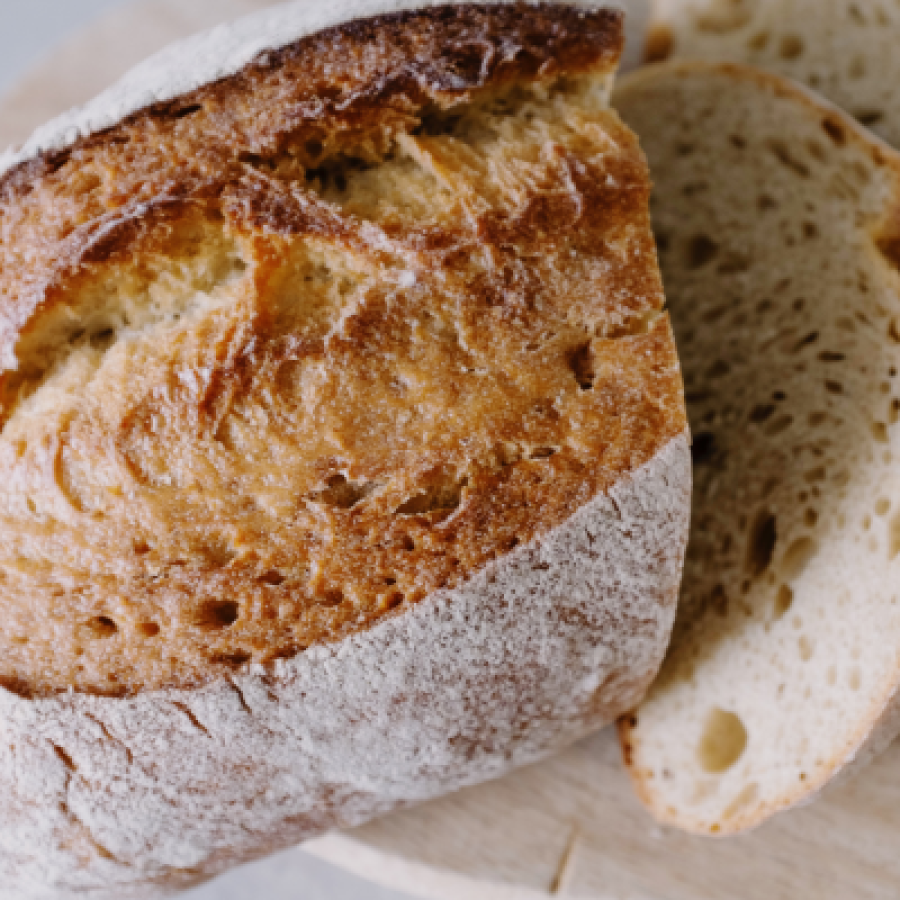
It’s not just beer that can undergo fermentation. Where there is sugar and where there is yeast there’s bound to be a fermentation process underway not far away. Fermentation can be found in all manners of food and drink if you take the time to look. Wine and cider are also fermented alcoholic drinks, of course. Bread and cheese undergo forms of fermentation too which, when harnessed by experts, results in fantastic forms and flavours. Fruit and vegetables can also be preserved via methods of pickling and fermentation.
This is all to say that when it comes to fermentation we have a lot to be thankful for! By beginning to pay attention to the role of fermentation and the way different fermented products relate to each other there is so much to learn. So let’s take a look at some of them – shall we?
-
How does cask relate to wine?
Although they are often assigned to different social circles I think that there are a lot of similarities between cask beer and sparkling wine, particularly wines that have undergone traditional and ancestral forms of fermentation.
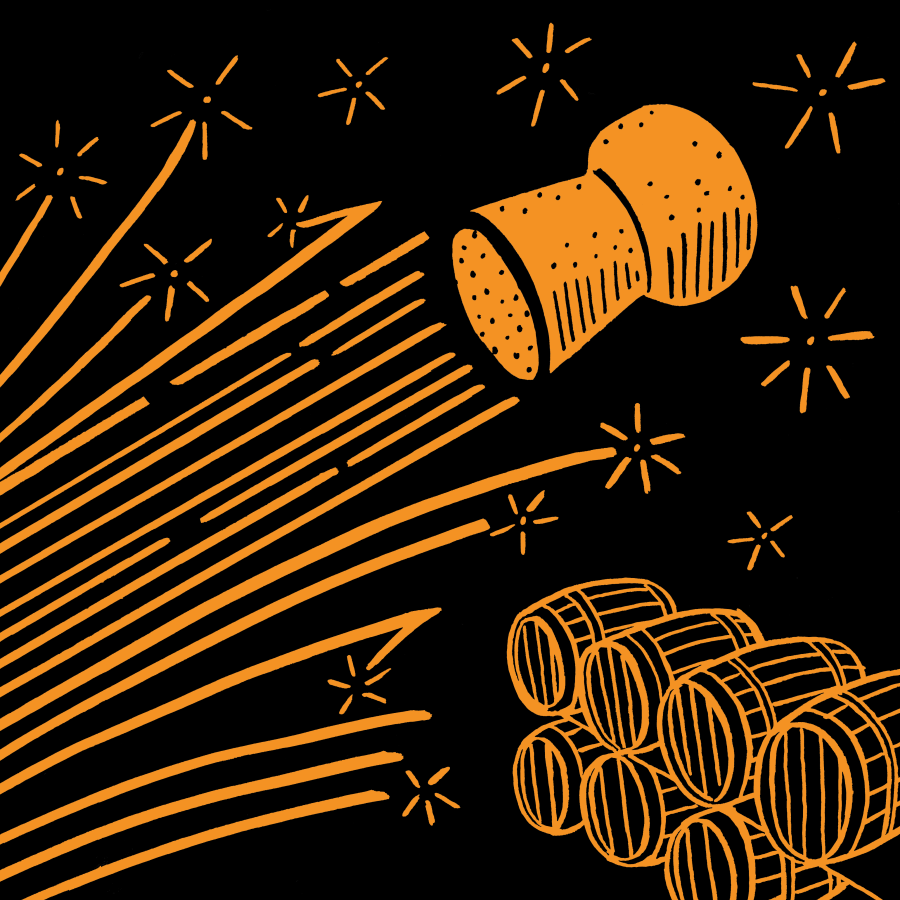
Cask undergoes a secondary fermentation in the cellar and wines such as champagne and cremant also undergo a second fermentation in their bottles. This means both drinks take on additional flavours and aromas as a result of their extended and additional fermentation. Champagne will develop flavours associated with a very good bakery: brioche dough and almond croissants and honeyed biscotti. Whilst the change seen in cask-conditioned beer is dependent on the style of beer, the time taken to fully cellar condition the casks isn’t just for the fermentation to stabilise but also for the flavours of the beer to fully develop and reach maximum depth and complexity. To put it simply, fermentation equals flavour.
-

Now this secondary fermentation involves more yeast and more sugar and once the yeast has eaten all the sugar it can, the cells will expire and form sediment. In traditional method sparkling wine these dead yeast cells are kept in with the bottle whilst it ages and then they will be carefully riddled and disgorged when the time arrives. However, with the ancestral method, sometimes also referred to as pétillant naturel wines, the yeast stays in the wine and can create a hazier, foamier mouthfeel as a result. Cask beer lies somewhere between the two.
Once a cask has been conditioned to its ultimate potential the beer is required to go through a process of “dropping bright”. Now casks don’t get disgorged in the way that champagne bottles do and the yeast can’t get incorporated into the beer as it would with a pét-na, so how does cask solve a problem like sediment? Well, finings are added to the cask, which binds to the protein and yeast cells left in the beer, after fermentation has finished, and carries them all the way to the bottom of the cask, leaving a clear bright beer at the top ready to pour.
-
How does cask beer relate to cheese?
One of my favourite quotes about fermentation is from Robert Walter’s brilliant book, Bursting Bubbles:
“Wine is not fruit. It’s a culture. It’s born of fermentation. There are two main types of AOC in France: cheese and wine. Then there is bread. All are products of fermentation. Milk is not cheese. Wheat is not bread. It’s the starting point.
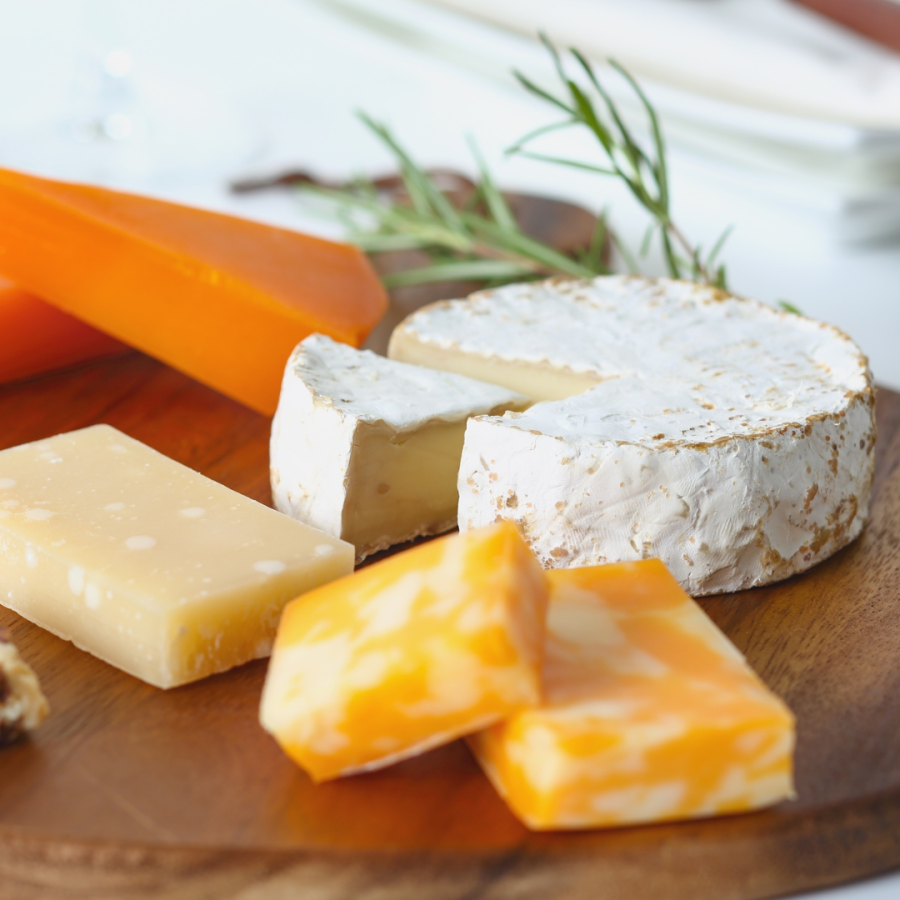
I think of this quote often, especially when I think of cheese. Milk may provide the foundation for a cheese but it is the fermentation that provides the resulting form and flavour. This can be applied to cask beer too. Water, malts, hops and yeast are all vital ingredients in brewing but the finished beer is not just a straightforward combination of those ingredients, it is a product of fermentation and it is that process – and the chemical, biological and sensory changes that occur as a result – that forms the frothy, foamy, fermented pints we all know and love. Cask beer may seem wildly different and unrelated to cheese but if you start to dissect the details of them, those aromas, flavours and textures would be nothing without the magic of fermentation, time and transformation.
-
How does cask beer relate to pickles?
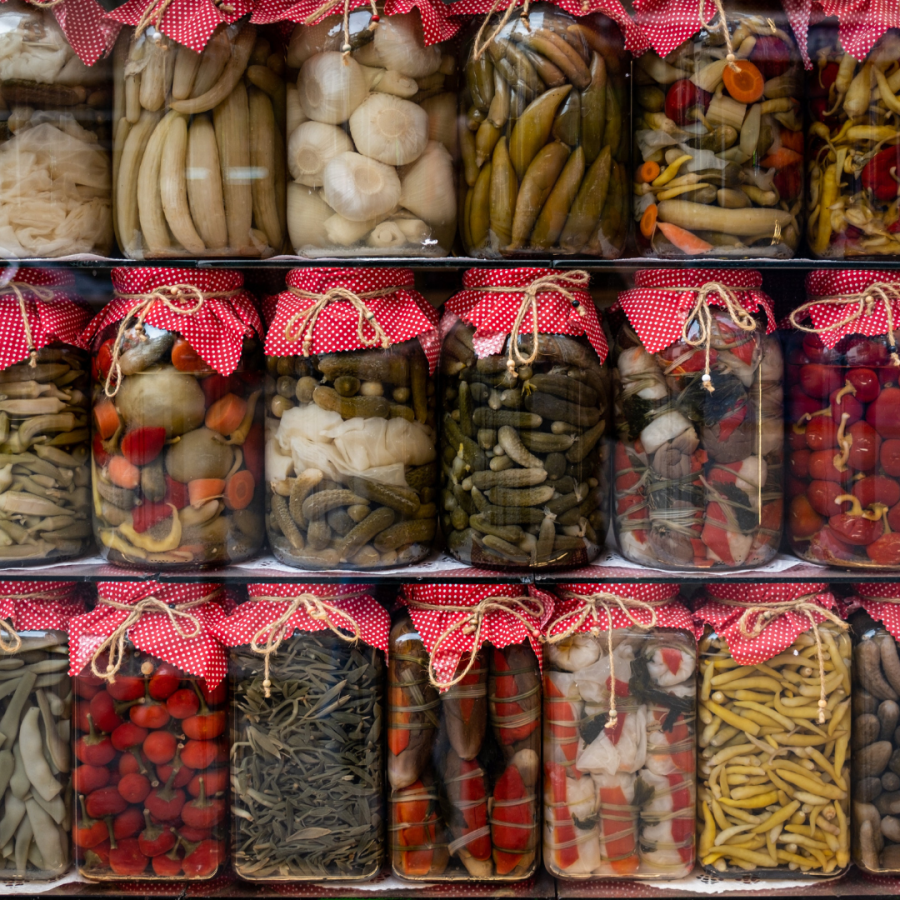
No traditional pub snack list is complete without a pickled egg, or perhaps you’ve come across the packets of pickles that seem to have become particularly en vogue at the moment, on display in your favourite bar or taproom. Now pickling is a simple process of preserving food in a brine solution, but a fermented food, such as kimchi or sauerkraut, requires a little more knowledge and understanding of the process, just like our cask beer.
Vegetables contain a bacteria called lactobacillus which when invigorated and introduced to salt will break down the vegetable and feed on any available sugar, changing the flavour and the texture of the vegetables in the process, not unlike our conditioning process with cask beer. Also like cask beer, time is of the essence here and if fermenting vegetables are handled badly the result won’t be great. Jars of fermented vegetables require burping to help the build up of gas escape, just as our cask beers require careful venting in the cellar. Serve the vegetables too soon or leave them too long and they won’t taste at their best so it’s important to tune into the fermenting process, just like a well educated bar worker paying attention to the casks and lines in the cellar.
-
Fermentation is fascinating and plays such a huge role in our diets, regardless of whether you dabble in alcohol or not. Foods such as bread, coffee and chocolate also undergo various forms of fermentation and there is so much to learn when we start to lay these processes side by side – notice where they differ, how they’re alike and what reasonings there might be for all of this.
Cask beer is brilliant for so many reasons and one of those is that it can help us to understand the way fermentation has manifested in other corners of the world. There’s so much to explore when it comes to fermentation and here’s to figuring it all out, one pint and cheese pairing at a time!