Blurring Boundaries
These last 15 years have seen a revolution in the way we consume alcohol. This period has seen the emergence of craft beer presenting a raft of hop styles and bold, contemporary ethos to marketing and ideology. We have also drinks that champion the minimal intervention that goes into its production, such as natural wine. There has also been the renaissance of drinks that had long been seen as unfashionable, like gin, sherry and port.
Never has there been a better time to be a drinker. As a result of this exposure to such a vast expanse of drinks is that consumers are less pigeon-holed as a being a ‘beer drinker’, ‘wine drinker’, ‘spirits drinker’ or ‘cider drinker’. They are increasingly experimental and curious, enjoying a wider repertoire of drinks depending on the company, occasion, mood and availability.
At the same time, the curiosity of alcohol producers has grown, too, with wine makers, brewers and cider maker gaining inspiration and insight from other drinks. The result, from a cider perspective, is the development of a range of products are in homage to, learnt from or actively created in collaboration with, the producers of other drinks.
Here I will overview how the lines between cider, beer, wine and spirits have been blurred in the UK over the last 15 years, and who has been doing the blurring.

- Beer
- Wine
- Spirits
- Conclusion
-
Beer
I’m sure there’s at least one reader, tongue firmly ensconced in cheek, who will be saying right about now “Surely snakebite is the first instance of boundary blurring between beer and cider?”. Although with some considerable heritage, as the snakebite was the creation of the pub or drinker rather or producer, I will be ignoring it here! It’s like saying the first instance of a wine/gin hybrid was when a student decided it was a great concoction at about 3am at a house party!
It should maybe come as no surprise that it was beer that marked the first true instance of cider-related boundary blurring because the drink in question was a collaboration between two brewers and a cider maker. It should also come as no surprise that the cider maker in question was Tom Oliver, of the eponymously named cider company in Herefordshire. One of the many reasons why Oliver’s Cider and Perry is so heralded is Tom’s willingness to at the same time be the most traditional of Herefordshire cider makers and yet one its most playful progressive and boundary blurring.
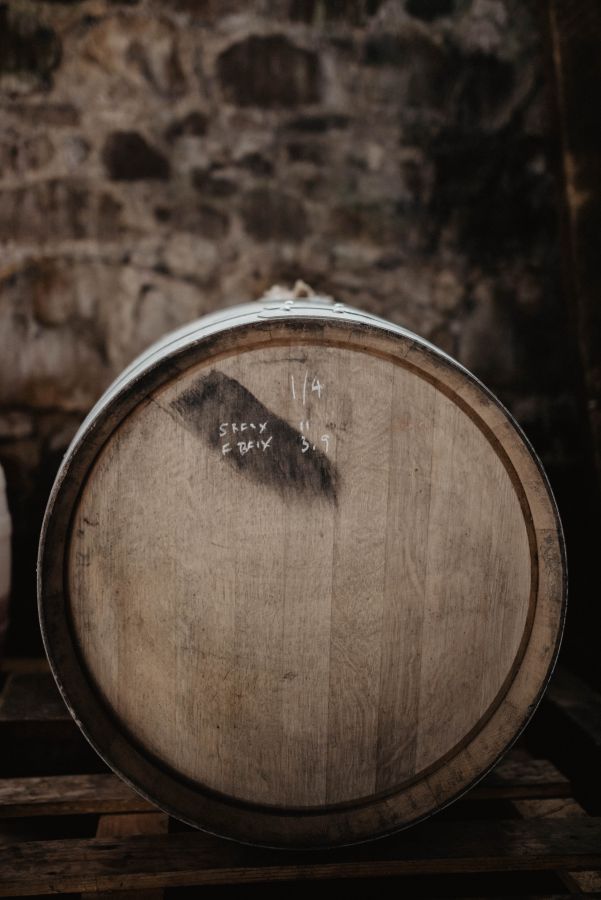
Back in 2014 Brooklyn Brewery’s famed chief brewmaster, Garrett Oliver, joined Thornbridge head brewer Rob Lovatt to visit Mr O at his farm in Ocle Pychard, Herefordshire. The pair were seeking ‘natural’ cider barrel lees to add even greater presence to an already humungous Belgian-inspired golden ale – The Serpent, brewed the previous year. Released in 2016, this was (I use the past tense advisedly – good luck finding one!) a sensational, ground-breaking beer/cider because of the quality of the collaborators, the quality of the liquid and the endorsement it gave to cider as something really worth considering in the mix of creating awesomeness.
-
Now, strictly speaking this drink was more of a “cider lees matured beer” than a true co-fermentation of wort and juice. Once again, it is Mr Oliver who has been at forefront here through his celebrated (and ongoing) collaborations with Mills Brewing (including the legendary Foxbic) and perry/beer co-ferment made in collaboration with Jonny Bright from, the now closed, After the Harvest brewery, home-brewer extraordinaire Alex Cook and his brother – me! The result was La Saison des Poire, now on its third iteration.
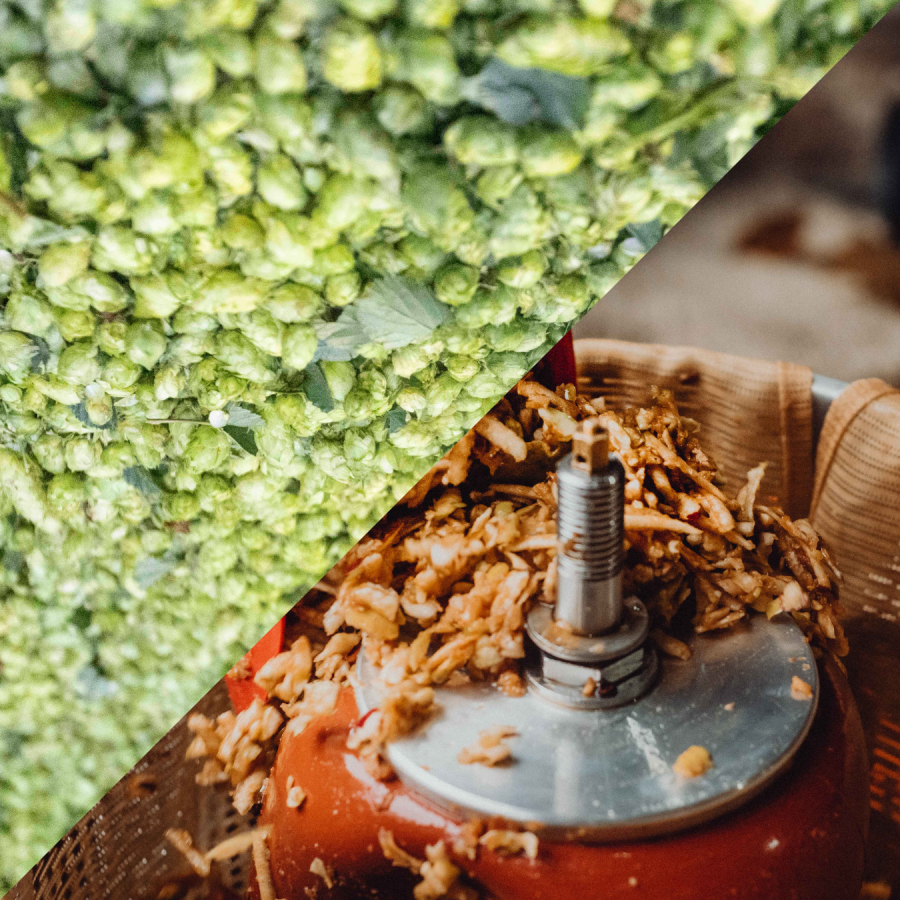
A more simple iteration of beer and cider boundary blurring is the concept of hopped ciders. Technically one could say that these are flavoured ciders, but they are somewhat removed from image of mixed berries and blood orange. The concept was first pushed in the Pacific Northwest of the US more than a decade ago when a new wave of modern cider makers emerged in the wake of the craft beer movement.
Less allied to orchards and terroir and more to the experimental nature of flavours and ingredients, it was makers like Reverand Nat from Portland that were the drivers of this category globally. In the UK, the prevalence of hopped ciders is still pretty few and far between, suffering at the hands of a punitive taxation system. However, a handful of brave souls are not deterred from exploring their hop-filled creativity.
-
Wine
Beer might have been the first drink to blur the boundaries with cider, but in reality, the lines between cider making and wine making are fundamentally blurred, given that there is such a similarity in the overarching process. In addition to this, the growth of the natural wine movement and the increase in the value perception of many ciders in the UK has led to the playful development of drinks that cross the apple/grape divide.
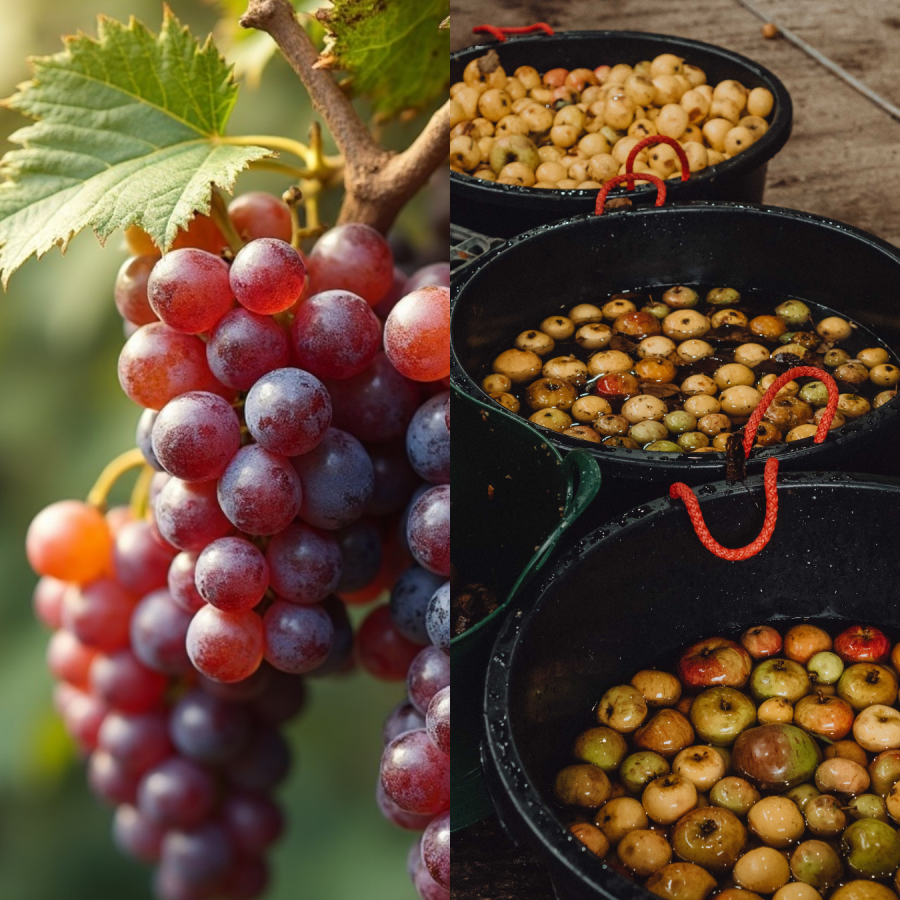
One can start, naturally, with grapes themselves, although I have yet to find a cider in the UK that is an actual co-fermentation of apple and grape juice (please, someone write in and tell me I’m wrong). I very much suspect that the value of UK grown grape juice is possibly still too high for it to not result as a fully fledged wine. There are plenty of precedents of such drinks being made outside of the UK, as seen from Art+Science in the US, Aeblerov in Denmark and Berryland in Ukraine (sadly their cidery was destroyed during Russia’s invasion – we hope Vitalii will be able to resume once again in the future.)
-
In the UK, there are now a number of instances where grape skins (either white grapes off the press or red grapes post-‘on skin fermentation’) are added to juice to undertake a co-fermentation. The interplay between the relative acidity, tannin and sugar from both fruits makes for incredibly intriguing results, with notable examples including the In Touch series from Pilton (in collaboration with Martyn Goodwin-Sharman) and Once Upon a Tree’s Cabernet Co.
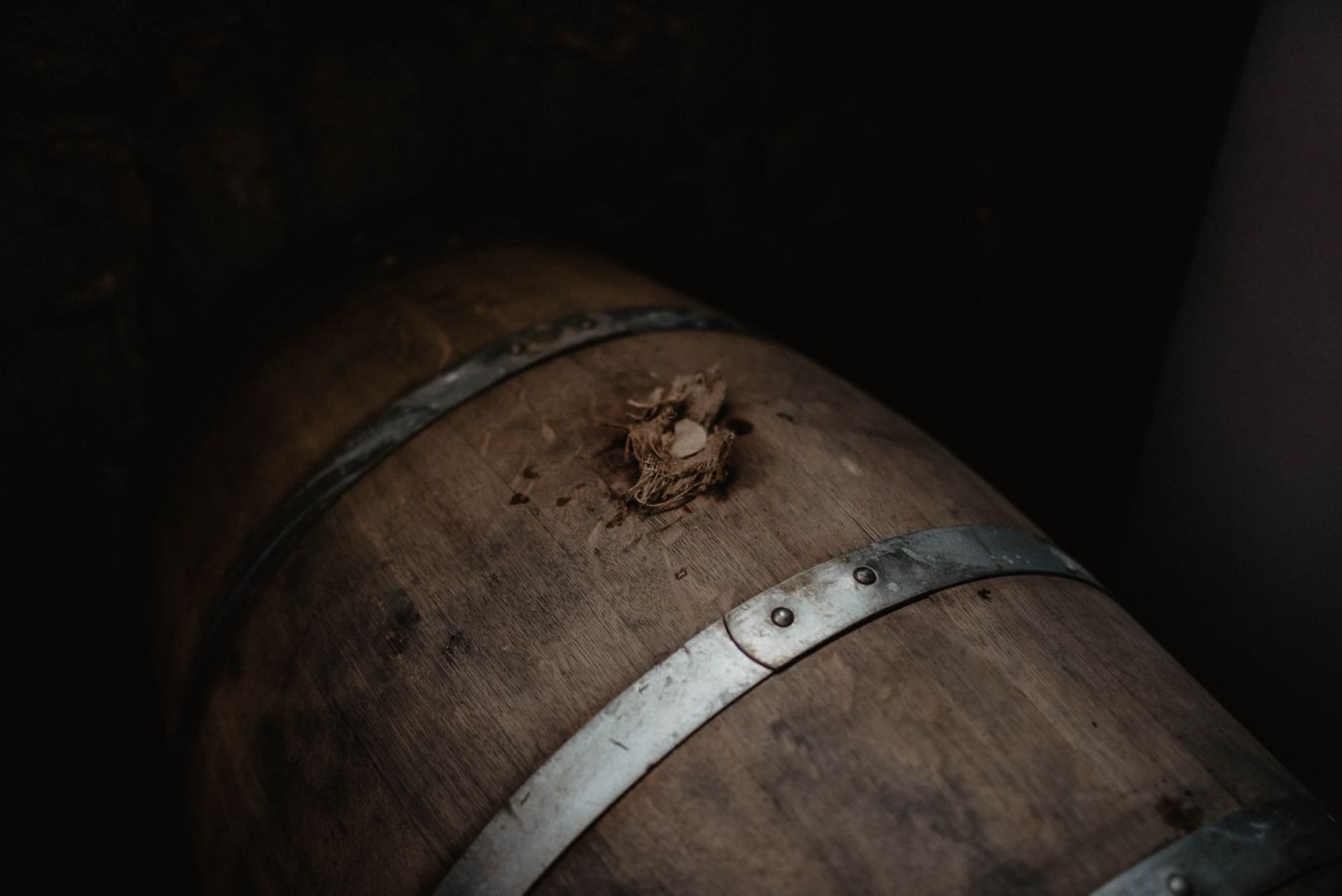
The use of wooden casks that once housed wine to ferment and/or mature cider in is also starting to gain some traction in the UK, with Little Pomona being the leading lights. Check out their Egremont Russet En Barrique to see what impact the use of these vessels can have over flavour and texture.
-
Spirits
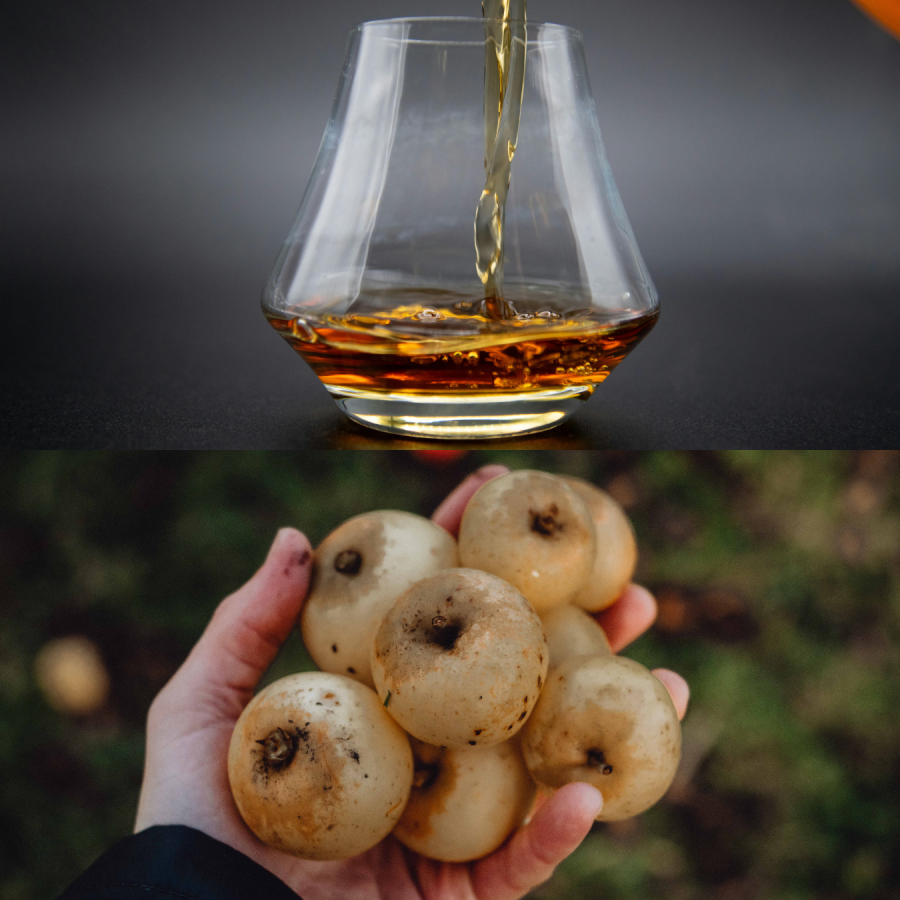
The primary origin of wooden vessels used in the cider making process, to lend influence of flavour and texture, is not wine, but spirits. This is not a new phenomenon with both Westons and Thatchers creating bourbon cask ciders back in early 2000s and many smaller makers having used ex-scotch, Irish whiskey and rum casks for decades prior to that. The resultant impact on the cider varies on the type of spirit cask used, ranging from creamy vanilla smoothness (bourbon - see Healeys) to intense peaty (Isla whisky – see Caledonian Cider Co.) to fruity sweetness (dark rum – see Hallets). Sometimes the influence is incredibly subtle, just sitting in the background. Sometimes it is front and centre, punching you on the nose. Generally, after the first fill, the full intensity of the spirit impact has diminished to such an extent that many makers sell on these casks to fund the next, freshly emptied load for the forthcoming harvest.
As a reflection of these experimental times, casks from a greater range of spirits are being used more than ever before, with vessels previously housing Armagnac, Cognac, sherry and tequila being secreted away in the barns of cider makers across the county.
-
Conclusion
Some makers and drinkers of cider who love their drinks to be made purely from apples may be concerned by the emergence of this trend of blurring boundaries. I say to them: do not worry a jot. The expression of varieties, makers and landscapes will continue to be of paramount importance to this drink, this industry, this culture. But that should not preclude the opportunity to be playful and experimental. For if, through such playfulness and experimentation, we can reach drinkers that previously would not have considered cider an option, then must be considered a good thing.
I have no doubt that as drinkers and makers continue their taste journey, this confluence of ideas, production methods cultures will continue to advance. The recent launch of Hawkes’ Corabo, made in collaboration with London-based Sake producer Kanpai is but another proof of this. I, for one, am excited to see which boundaries will be blurred next!