German Exchange
As a cask beer connoisseur, you’ve likely explored the world of lager quite extensively too. Perhaps you already have a favourite brand of Czech pilsner, or German helles? These crisp, refreshing, effervescent lager beers can sometimes seem a world away from a hand-pulled pint at your local. But by better understanding how the malt, hops, water, and yeast work together in the beers that you already know and love, you can explore beer even further.
Here, we’ll dig into what makes some classic styles of cask beer (and even cider) the way they are. Then, we’ll look at where common themes can be seen in one of the world’s greatest beer countries: Germany. This is not a typical style guide, but rather, an exercise in lateral drinking. Using cask and cider as a jumping off point, we’ll examine how some flavours, aromas, and mouthfeels are created in some of your favourite styles, and then look at where we can see similarities on the continent.

- If you usually like drinking pale ale, consider a kölsch
- If you prefer Eastern style cider to ale, have you tried a berliner weisse?
- If you love the way that a dark mild showcases malt, consider a Munich dunkel
- If you adore the exquisite balance of a best bitter, try an altbier
- If you enjoy porter, consider sampling a dark rauchbier
-
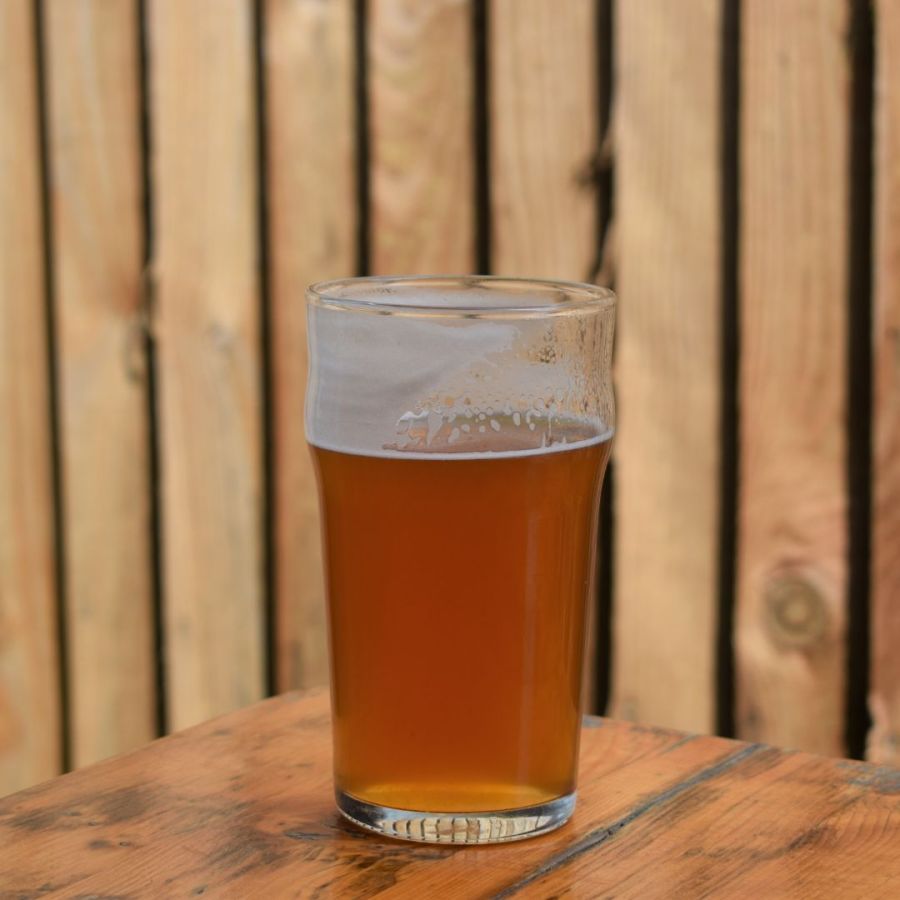
If you usually like drinking pale ale, consider a kölsch
Do you live for that earthy aroma that accompanies the dry finish of a pale ale? Me too. That hint of sulphur that you may detect is called the Burton Snatch, and it comes from the high sulphate water that is preferred for brewing pale ales with a high level of hop bitterness.
The town of Burton-On-Trent was once the world’s brewing capital. Today, its fame in the world of brewing continues, all thanks to its water. Burton water is hard, meaning that it has a high level of sulphates (specifically calcium sulphate, or gypsum). Water with plenty of calcium offers myriad benefits to brewers, including protecting enzyme activity in the mash, and promoting yeast flocculation. And critically, sulphates can accentuate the bitterness of hops, making for a dry, crisp, and refreshing finish that is perfect for a pale ale. For this reason, many brewers around the world complete a process known as ‘Burtonizion’ prior to brewing, to build up the mineral content of the water that will become wort.
-
The subtle rotten egg smell of sulphur might not sound like a note that we should be elevating, but it is more common that you might think. All yeast strains produce some level of hydrogen sulphide in the fermentation process, but it’s something you might come across slightly more frequently in lagers than ales, due in part to less vigorous fermentation, which limits the scrubbing effect that typically cleans up off-flavours and aromas. If you come across it time and again in beers from the same brewery, it might be that their yeast strain is particularly adept at making hydrogen sulphide. You may well find this sulphur note in kölsch, though you might find it to be more pronounced in some brands than others.
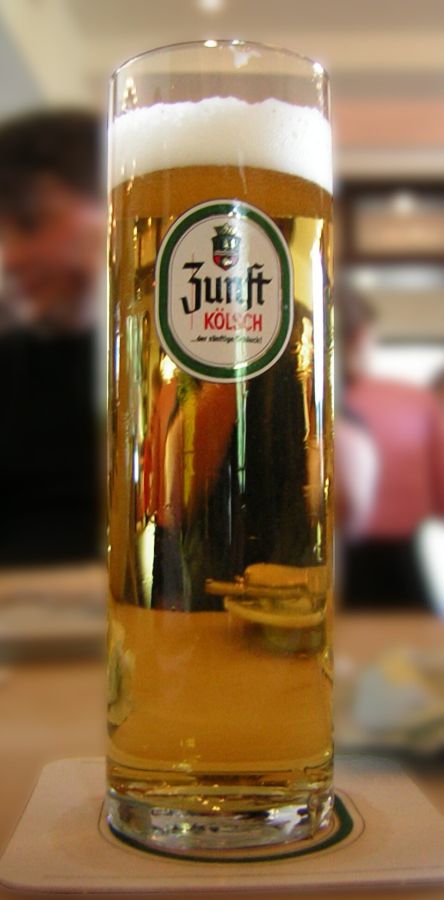
Technically, kölsch isn’t a lager, though you might find that it drinks like one, because it is a lagered ale. That is, it is top-fermented (just like cask ale is), but at a slighter cooler temperature than ale fermentation. Then, it is cold conditioned in the same way that a Helles or Pilsner would be. The yeast used encourages some light fruity esters, which you won’t typically find in lagers. Every kölsch is a little different, but I’ve often gotten hints of green apples and stone fruit, alongside grassy notes from the German noble hops such as Hallertau. Then, there’s that sulphuric hint that makes for a minerally aftertaste.
As with pale ales from Burton, kölsch is a beer with a strong sense of place. It hails from Cologne (or Köln), and the 1986 Kölsch Konvention outlines how the style should be made and served. Kölsch has a protected geographical indication (PGI) within the European Union, which means that it cannot be brewed more than 30 miles outside the city of Köln and still be labelled a kölsch. It’s well worth a visit to this famous city to sample some at the source. And just like in Burton, the city’s water is hard.
-

If you prefer Eastern style cider to ale, have you tried a berliner weisse?
Eastern style cider is made from eating apples or cooking apples. Such ciders may have either a soft or a more pronounced acidity, and a clean, fruity taste. There might be a fresher and brighter green apple taste when compared to ciders made with cider apples, with a balance that might remind you of white wine.
If your typical tipple at the local pub is a cider, then there’s a somewhat overlooked style of German beer from Berlin that you might just love. The tartness of this low-abv sour wheat beer might remind you of the acidity that you’ll find in an Eastern style cider, and those who enjoy the softness of ciders without tannin might well enjoy a berliner weisse. But don’t just take my word for it: listen to Jaega Wise, head brewer at Wild Card Brewery, and a winner of the British Guild of Beer Writers Brewer of the Year award in 2018. “The pH levels of cider and that of a light sour are similar, so the distance to travel between the two drinks is not that great,” she writes in her book Wild Brews.
Berliner weisse dates to the 16th century and was reportedly referred to as ‘champagne of the North’ by Napoleon’s troops. This beer style contains a blend of lactic cultures, and in recent times it has typically been served with the addition of either bright green woodruff syrup, or vibrant red raspberry syrup, to sweeten the drink. But even enjoyed in its natural state, it is an ideal gateway beer to sour styles, and suitable for anyone who has enjoyed the complexity of a wild fermented cider. The Lactobacillus bacteria (as found in yogurt) is a spoilage organism in other beers, but in a berliner weisse, it is introduced in a very much intentional way.
-
If you love the way that a dark mild showcases malt, consider a Munich dunkel
In a perfect pint of mild, malt is the star of the show. It’s a beer that goes down so easily, you could drink a fair few in a single session if you were so inclined. Crystal and dark malts might be used alongside classic British base malts to add rich mahogany colour, and notes of fruitcake, biscuits, and nuts. If this sounds like your idea of heaven, then consider a German lager with a restrained bitterness that places malt centre stage, such as a Munich dunkel.
Today, Munich is famous for helles, which is a pale, refreshing, delicately hopped lager. But previously, Bavarian beer was dark. As Jeff Alworth explains in his book The Secrets of Master Brewers, early lagers were dark out of necessity. “Aside from the “wind malts” made by drying in the sun, it was not possible to kiln malt to a pale hue,” he writes.
-
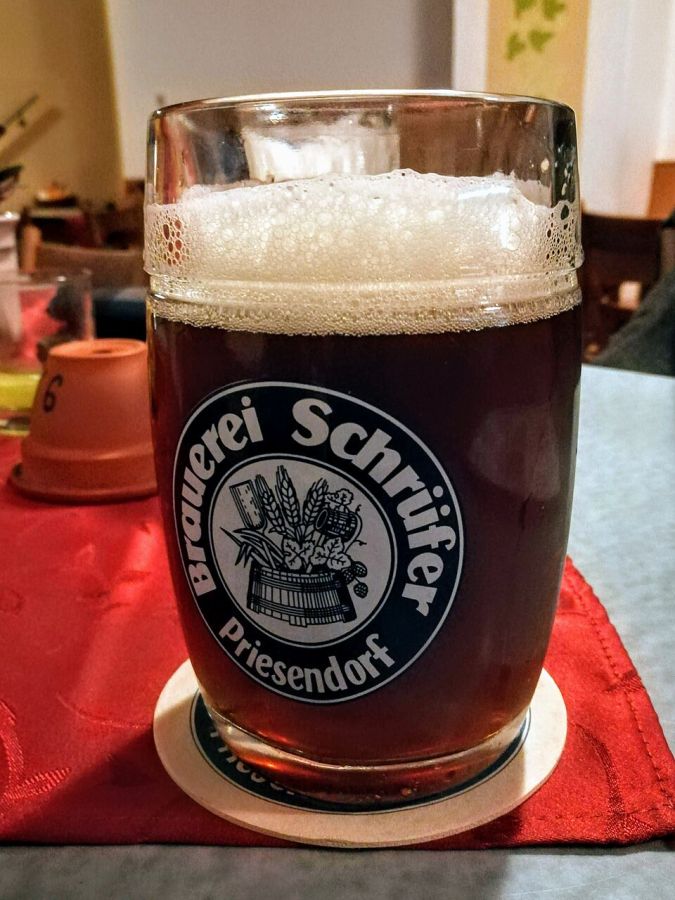
You might find that the malt profile exhibited in German lagers have a certain something that you can’t put your finger on. A fullness, or a complexity. A German brewer might well tell you that this is due to decoction mashing, a process that is still widespread. A decoction mash involves removing some of the mash, boiling it, and then adding it back into the main mash. This process helps malt enzymes to access starches, and before modern brewing equipment existed, this served the purpose of raising the mash temperature. Even though temperature is much easier to control in the brewhouses of today, there are many brewers – particularly in Germany and the Czech Republic – who still believe that this practice is important in contributing to depth of malt flavour in the finished beer.
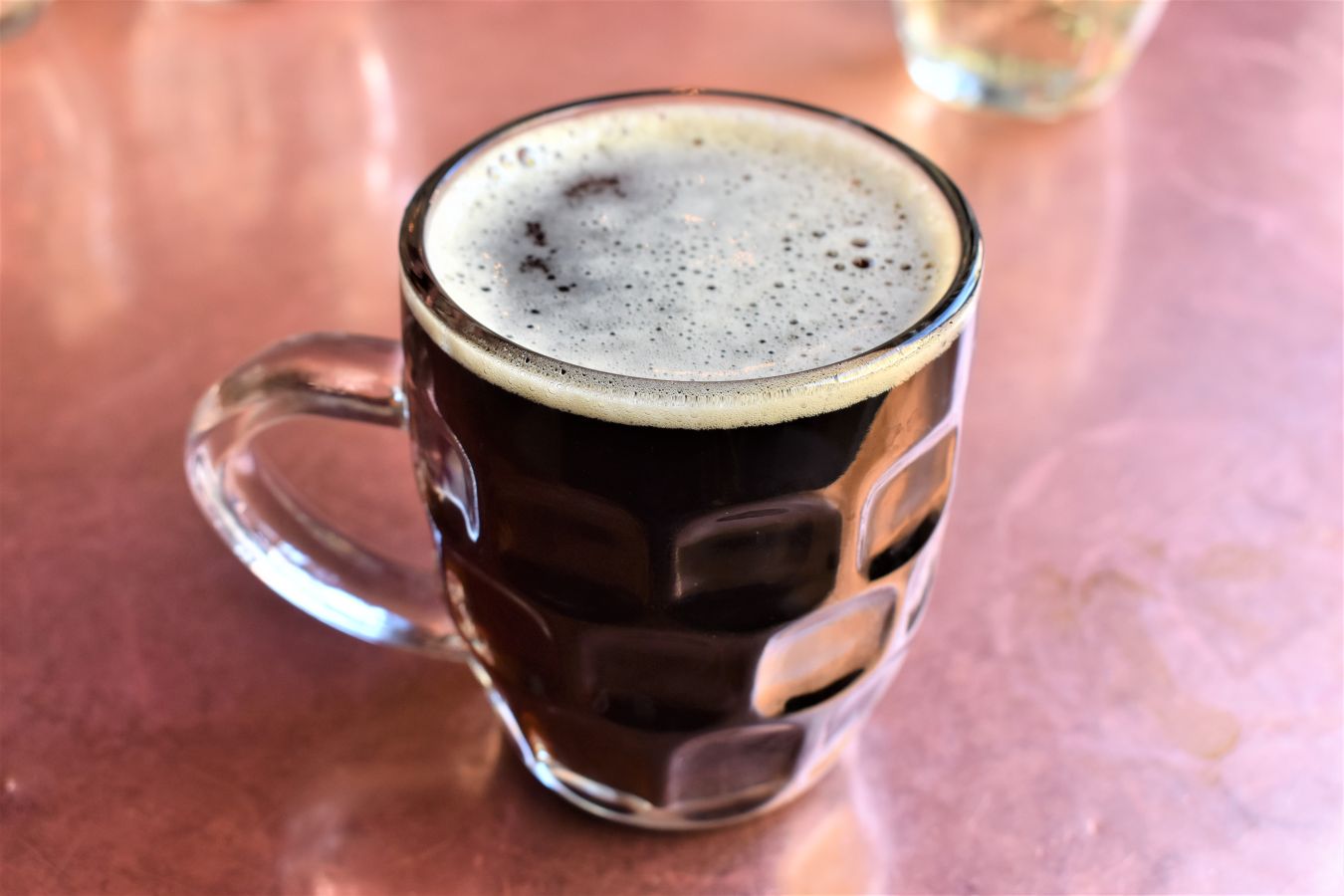
Munich malt gives beer a rich amber colour, and the grain bill of a Munich dunkel might also contain some Carafa malt to give the beer an even darker hue. It should taste and smell toasty (but not roasty), with gentle hints of caramel and nuts. Hop flavour and aroma is typically low. For these reasons, fans of a pint of cask mild, with its slightly sweet and nutty finish without hop bitterness, might enjoy a medium-bodied Munich dunkel. Naturally, the Dunkel will be much crisper and more refreshing, thanks to a clean lager fermentation. Whilst slight diactyl – that buttery popcorn note – might be present in a pint of mild, a good Munich dunkel ought not exhibit this flavour at all. It should, however, be incredibly easy to drink. Preferably, this beer should be enjoyed in a Bavarian beer garden.
-
If you adore the exquisite balance of a best bitter, try an altbier
As a cask connoisseur, you already know that there is little that can beat a beautifully kept pint of bitter. The malt and hop synergy make for a pint that is extremely drinkable. A complex marriage of yeast esters and bitterness from British hops cuts through the smooth and biscuity malt finish, and might leave you with hints of orange, pepper, and raisin. Every brewery’s bitter is different, but one thing that the greatest examples of this style have in common is that they leave you wanting more.
Not all German styles allow hops and yeast to shine alongside the malt, but in my opinion, altbier is one that certainly does. This beer hails from the city of Düsseldorf, and as the name suggests, it’s been around for a while. In the Middle Ages, most beers made in Europe would have been darker, top-fermented beers. But when the rest of Germany later leaned into bottom-fermented, straw-coloured lagers, Düsseldorf did not. As is the case in Köln, Düsseldorf has water that is quite hard, which helps the hop notes to sing in the local brews, just as with a British pint of best bitter brewed using water with high minerality. This hard water makes for a highly drinkable beer.
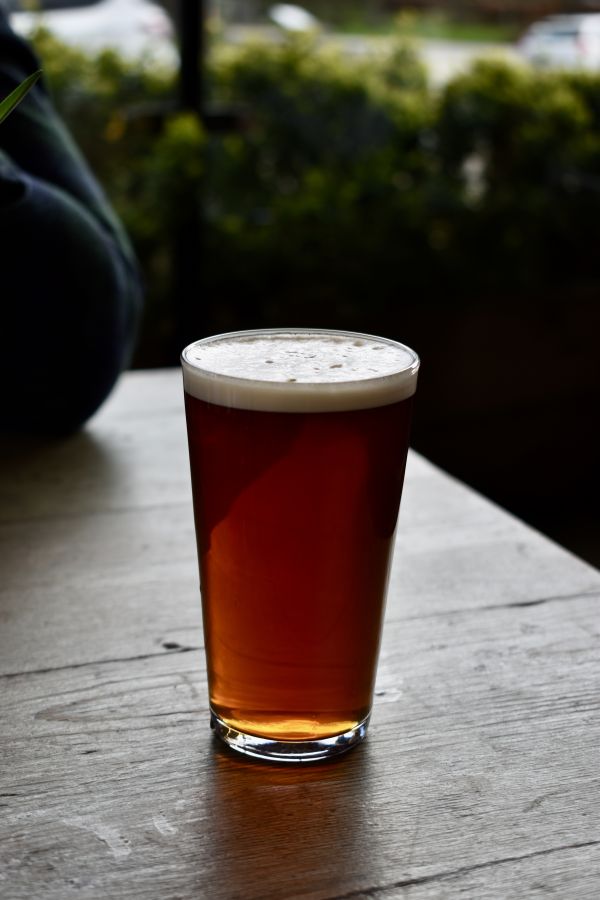
Alongside base malts (Pils and/or Munich), an altbier might typically feature a small quantity of specialty malts like crystal and black malts to give it an even richer copper-like colour. The grain bill may even contain a small amount of wheat. Like kölsch, this beer is top-fermented yet cold conditioned, placing it in that same strange no-man’s-land between ale and lager. The malt profile should exhibit notes of toasted bread and should be complemented by gentle spicy and floral hop flavours. Bitterness might be assertive, and esters might give a very subtle plum note too. “They are beautifully balanced beers,” writes Michael Jackson in his seminal book Beer Companion. “The fruitiness of top-fermentation is very restrained, and these brews very definitely manifest the smooth palate that comes from a relatively cold maturation.”
-
If you enjoy porter, consider sampling a dark rauchbier
A dark, roasty pint of porter is a perfect pint to enjoy in front of a fire in the winter. Porters might frequently have a fruity and chocolatey note, and perhaps even a hint of leather and liquorice. It’s a beer that has a rich history, stretching back 300 years to 18th century London, which doesn’tquite make it as old as this unique style of beer that is alive and well in Bamberg today.
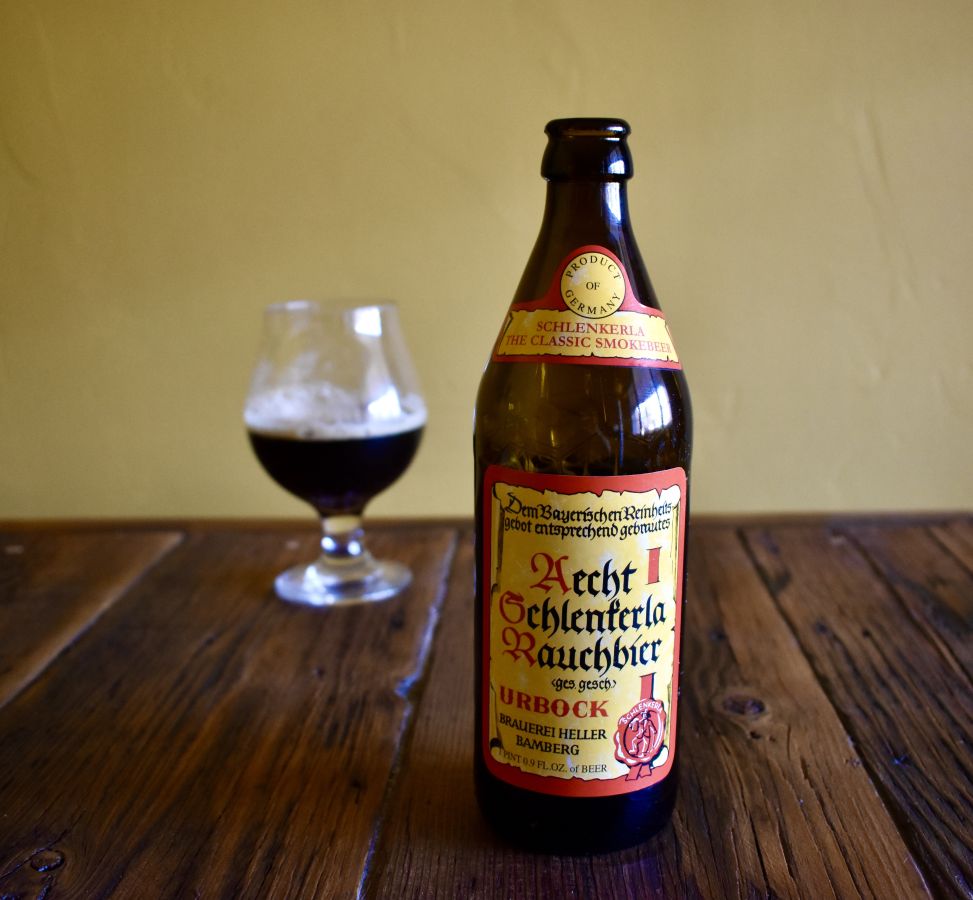
Rauchbiers, or smoked beers, are made using malts that have been kilned over fire. Until the 19th century, you could argue that many or most beers were rauchbiers. Since many beers were made with fire-kilned malts, it’s likely that many of the beers enjoyed in past centuries had a somewhat smoky character. Then, something new changed the game for maltsters. Thanks to British engineer Daniel Wheeler’s invention of a revolving metal drum which would prevent the malt being directly exposed to the kiln’s fire, smoky notes could be avoided, and malt could be dried more uniformly. It was an important development, giving maltsters much more control over the malts that they could produce. But as new malting techniques became commonplace in much of the world, the town of Bamberg in Franconia bucked the trend. Breweries in the city still use a beechwood log fire under a kiln to give their malt its smoky taste.
-
Making a good rauchbier requires restraint when it comes to putting the malt profile together. “It is vital that smoked malt be used at appropriate levels; excessive use completely overwhelms underlying flavours and results in undrinkable, monochromatic beers,” writes John Mallett in his book Malt, published as part of the Brewing Elements Series. In a darker rauchbier, there’s sometimes an intense barbecue-like aroma on the nose, along with a hint of coffee grounds. On the palate, you might get notes of tobacco, burnt chocolate, and liquorice.
Whether you’re planning a trip to Germany, or simply a visit to a well-stocked bottle shop, do consider seeking out some of these beer styles to take your love for beer even further. Prost!