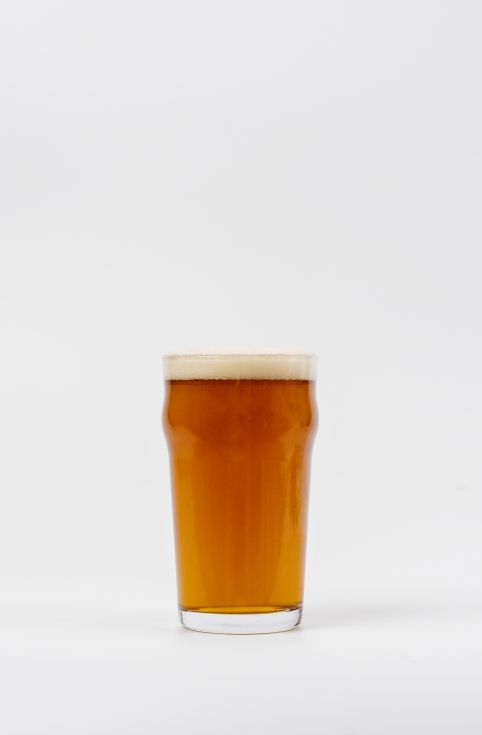
British IPA

India Pale Ales hale from the famous brewing town of Burton Upon Trent and were so successful in the 19th century that they were exported all over the globe. There are many variations of IPA but they are all hoppy with quite high levels bitterness.

CAMRA defines IPAs as having a minimum of 5.5% ABV so these are quite powerful beers. Many products on the market are called or advertised as IPAs but fail a long way short of this strength. It could be said that of all the beer names IPA is one of the greatest misused.

British IPAs tend to be heavily hopped with traditional UK varieties to give earthy and peppery flavours as well as some resinous and pine notes. These flavours are backed up by traditional malt varieties which add biscuit like aromas and flavours.

Distinguished from Premium Bitters by being more hoppy in nature.

Appearance

Colour

Amber to Pale Brown

Clarity

Clear to Bright

Carbonation

Low for cask, some bottle conditioned versions are higher

Flavour

Alcohol

Detectable

Hop

Strong to intense in Imperial IPAs

Malt

Moderate to balance the hops

Esters

Fruity esters may be present, but should not be citrus led

Phenols

None

Fermentation By-Products

None

Related Styles

British IPA

SENSATIONS

Body

Full bodied to the point of being thick

Carbonation

Low for cask, some bottle conditioned versions are higher

Finish Length

Long and complex

Attenuation

Moderate to strong bitterness but also bitter-sweet

Ingredients

Hops

Typically traditional UK grown varieties such as East Kent Goldings and Progress, more modern hop varieties can be used but they should be English in style rather than New World.

Malt

Mostly Pale Malts to compliment the hop flavours without adding too much to the colour

Water

Hard water can be used

Yeast

Ale

Commercial Examples

Worthington's White Shield (See photo)