An introduction to Heritage Brewing
Series: Heritage BrewingBrewing in the UK is evidenced as far back as the Iron Age, but when we talk about heritage brewing, it is usually a reference to traditional beer making that has been preserved over the past couple of centuries. Modern brewers chose to make use of historical recipes, ingredients and techniques that reflect the cultural legacy of British brewing to express continuity with the past and to offer a sense of authenticity to the contemporary consumer.
Things you will learn

- Historic Recipes
- Making the new from the old
- Trusted Methods
- Heritage Ingredients
-
Historic Recipes
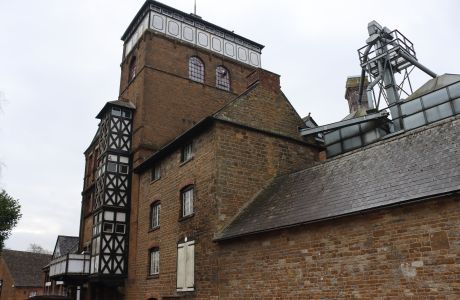
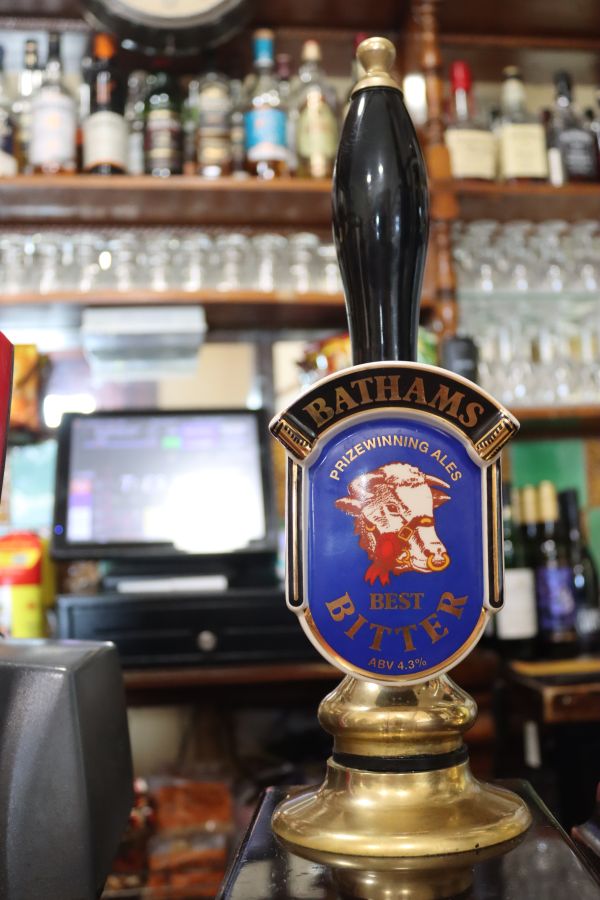
For some breweries, heritage brewing means a continuation of traditions that are handed down through the generations. Bathams Brewery in the Black Country, for example, was founded in 1877 with a focus on dark mild. It is still a core part of their business today – under their sixth generation Head Brewer, Alice Batham. Bathams Bitter is equally iconic, but relatively younger, first having been brewed in the 1950s.
Bathams Bitter is not the only recipe from the 1950s that is revered and protected. Timothy Taylor’s Landlord was released in 1952 and has gone on to win more awards than any other ale. The four time Champion Beer of Britain is the star of the Keighley brewer’s show.
-
Outgoing Chief Executive Tim Dewey explained to me why he has not made any changes to the way it’s brewed:
“It’s an enormous responsibility. Landlord has been able to gain its position because we have remained true to how it was produced in the 1950s. Although I came into Taylor’s to bring the culture up to date, the foremost thing in my mind was not to touch the crown jewels. I’ve got our brewers to thank because they know their brief; the beer is paramount.”
Those same brewers bring heavy bales of whole leaf hops up three stories to brew Landlord because they do not feel hop pellets (which would be lighter and cheaper) give the same flavour. For them the historic recipe is the secret of their success.

-
Making the new from the old
Sometimes old recipes are not handed down, but are rediscovered and reimagined. The Burton Bridge Brewery, now also home to the Heritage Brewing Company, crafts a number of beers which are based on well loved, but often long gone brands. Head Brewer, Al Wall, makes Masterpiece, a close copy of Worthington’s White Shield, and a contemporary take on Charrington IPA under the Heritage banner. Al says that it's not about whether he uses the same ingredients exactly, but that someone familiar with the old beer recognises the taste. His brewing aims to capture the spirit of the beer.
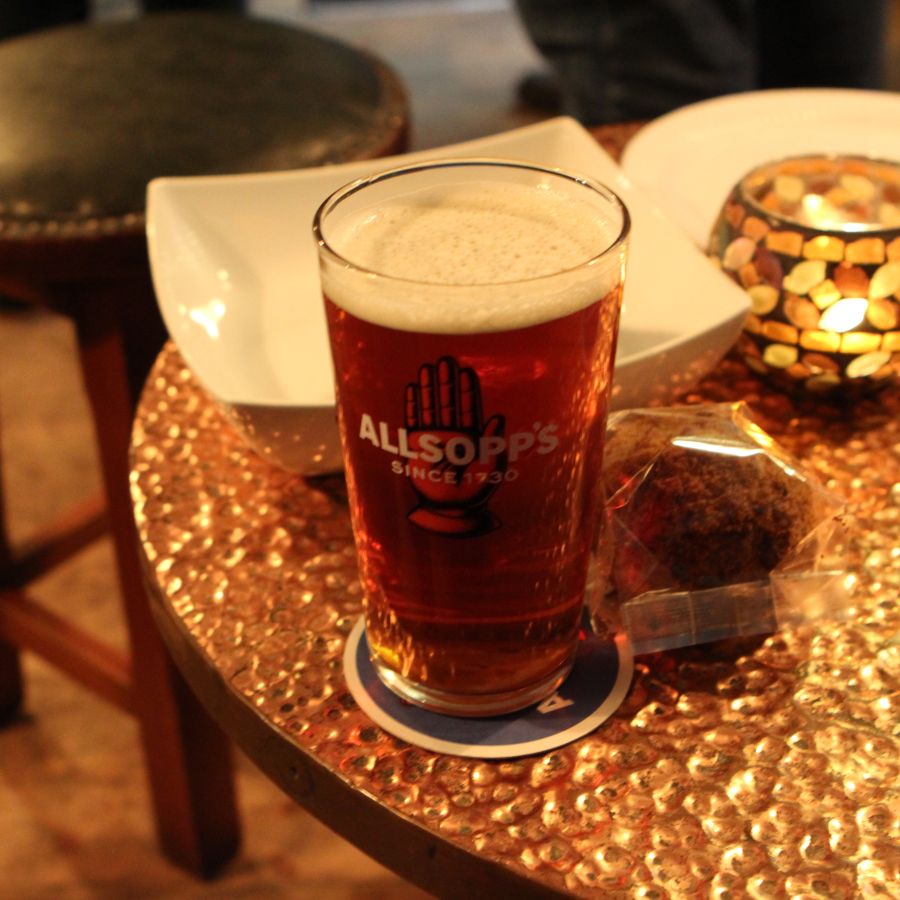
Another interesting story of an historic revival, also with its roots in Burton upon Trent, is that of Allsopp’s. Founded in 1730, Allsopp’s grew to become one of the biggest breweries in the world in the 19th century.
-
But by the 1950s, after a series of mishaps, mergers and general mayhem, the brewery had been essentially consigned to the history books. That is, until Jamie Allsopp stepped in – a direct descendant of Samuel Allsopp who had joined the business in 1800 and bought it in 1807.
In 2021, Jamie found the only surviving ledger containing the original Allsopp’s recipes. He resurrected the Allsopp yeast and branding, and has re-launched the brand. Currently there are three beers in the range – the quintessential pale ale, the IPA that they claim Samuel Allsopp was the first to perfect in 1822 and, perhaps controversially, a pilsner. When it was first launched in 1890, this lager arguably contributed to the brewery’s decline since refrigeration wasn’t widely available and sales were poor. The British public weren’t yet ready for a European-style lager. Let’s hope it works out better for them this time around - lager does seem to have caught on somewhat in the last 135 years.
-
Trusted Methods
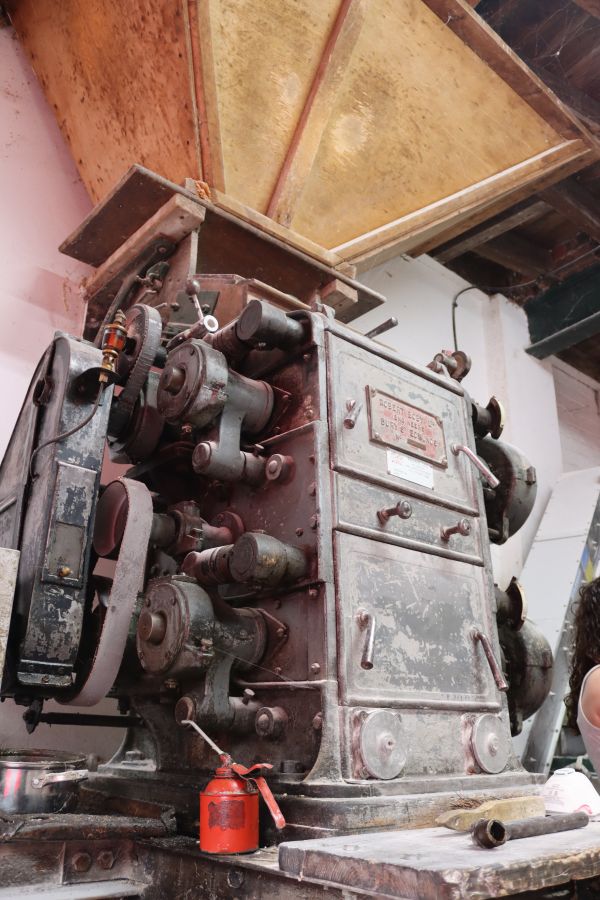
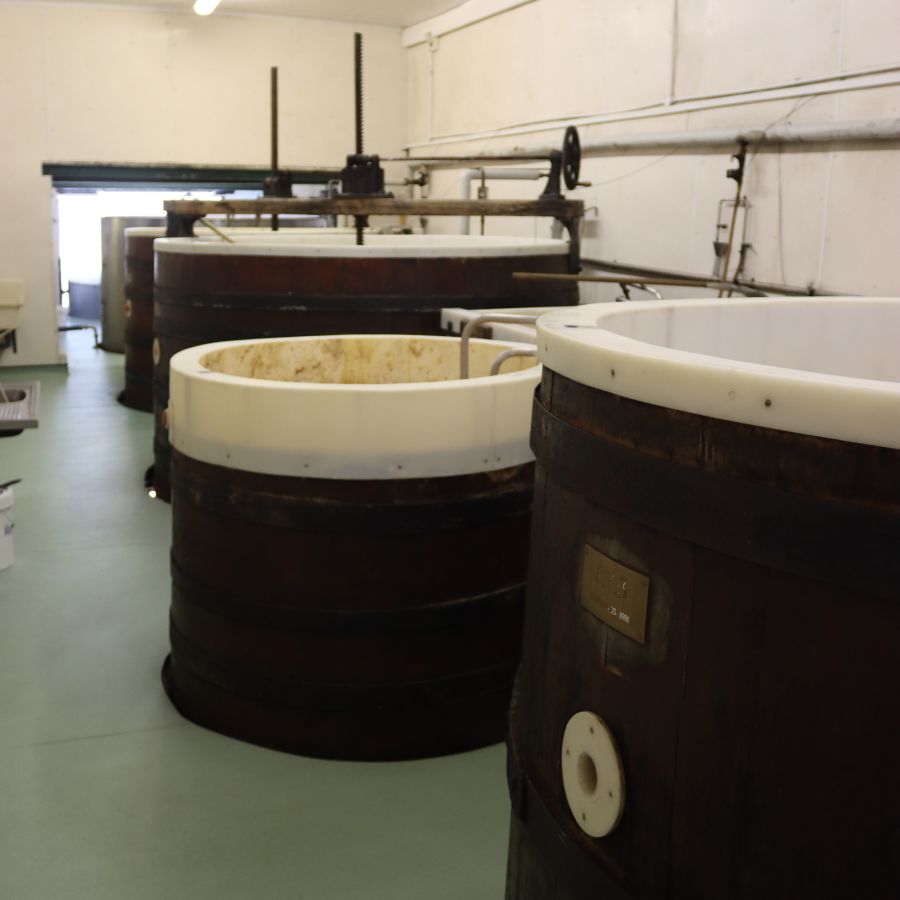
It’s not just recipes that are preserved by some of the longer established breweries, but also equipment and methods. Samuel Smith’s in Tadcaster was founded in 1758 and is one of the few breweries to still use Yorkshire Squares for fermentation. These large slate, or stone, quads, have a trough on top that allows the yeast to be easily collected from the vigorously foaming top of the fermented wort. Modern versions of the Yorkshire Squares have arisen that are made from stainless steel or some are even circular in form – like those at Black Sheep Brewery in Masham.
Krausening is a technique that arose in Germany to allow beers to be carbonated without using sugar or other adjuncts (which would have gone against the German Purity Law). After fermentation, fresh yeast is added – usually in the form of active wort – so that the beer can be carbonated. Oakham Ales in Peterborough use this method for their range of cask aged beers which they release throughout the year. They remove the old yeast to prevent off flavours from developing and add in new yeast. This allows the flavour of the beer to develop and a light natural carbonation to occur over the months that the beers are left to age in their stainless steel casks.
-
Heritage Ingredients
As well as making traditional beers using age-old techniques, the industry is also showing an interest in how the ingredients they use can provide a link with the past. One of the best examples is Chevallier malt. The barley was first propagated by Reverend John Chevallier in 1819 as he was impressed by the height of the plants he saw in one of his tenant’s gardens. By 1831, he had enough for commercial sale and it quickly became one of the most popular barley varieties in the world.
However, its great height also made Chevallier susceptible to weather damage and it fell out of favour. The barley was superseded by varieties that were easier to manage, although not necessarily as characteristic in flavour. Within 100 years, it had practically disappeared.
-
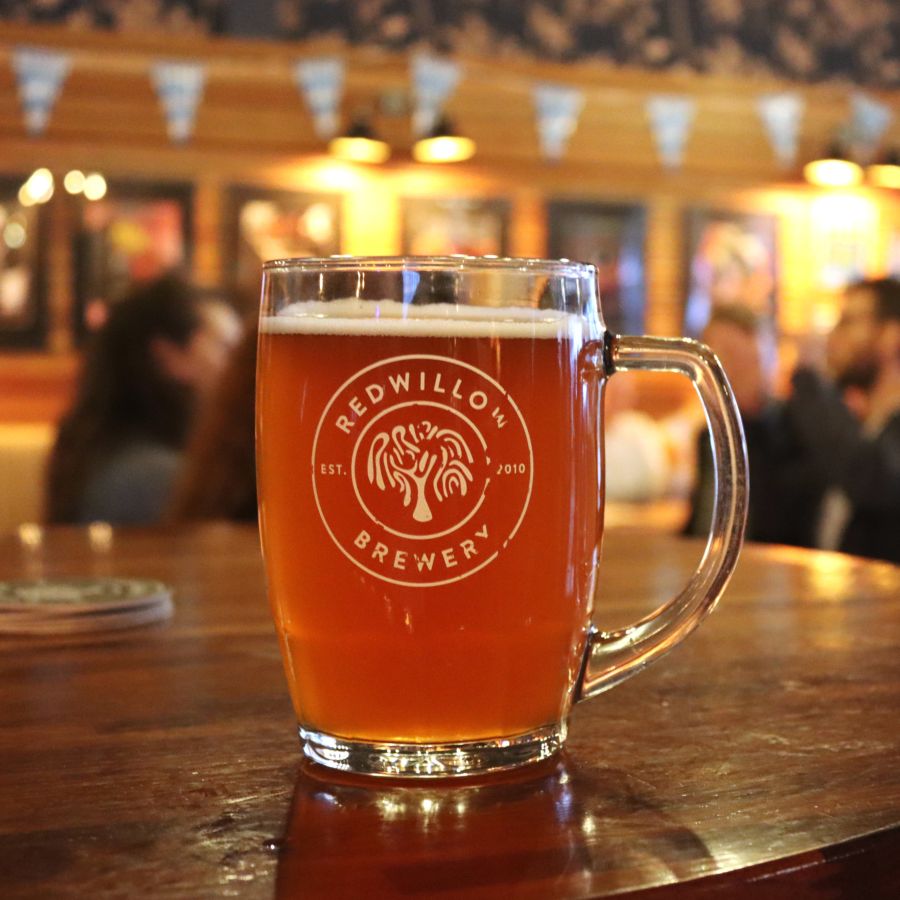
That is, it disappeared until the team at Norwich’s John Innes Centre, a plant research foundation, decided to revive the variety. It was reintroduced to the market in 2015 by Crisp Malt. Brewers have prized it for the aroma and flavour it offers to the finished beer. RedWillow in Macclesfield, Newbarns in Edinburgh and the Grain Brewery in Norfolk, for example, have used this biscuity malt to great effect.