Heritage Brewing: The Unions Sets
Series: Heritage BrewingThis is the final part of our deep dive into heritage brewing, following on from the basic introduction and a case study looking at the Victorian tower brewery at Hook Norton. It is, hopefully, the most definitive guide to the union sets, both past and present.
Things you will learn
- What is a union set?
- The history of the unions
- A frenzied adoption
- The end of a long chapter
- New horizons
- The Thornbridge Union
- The Second Union
- How many union sets remain?
- Brew it yourself
- Unions abroad
-
What is a union set?
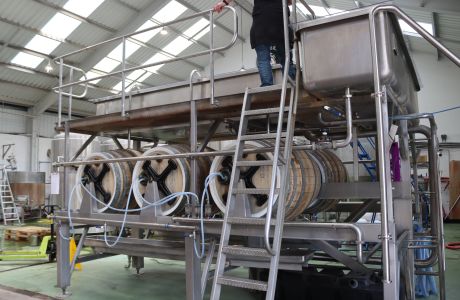
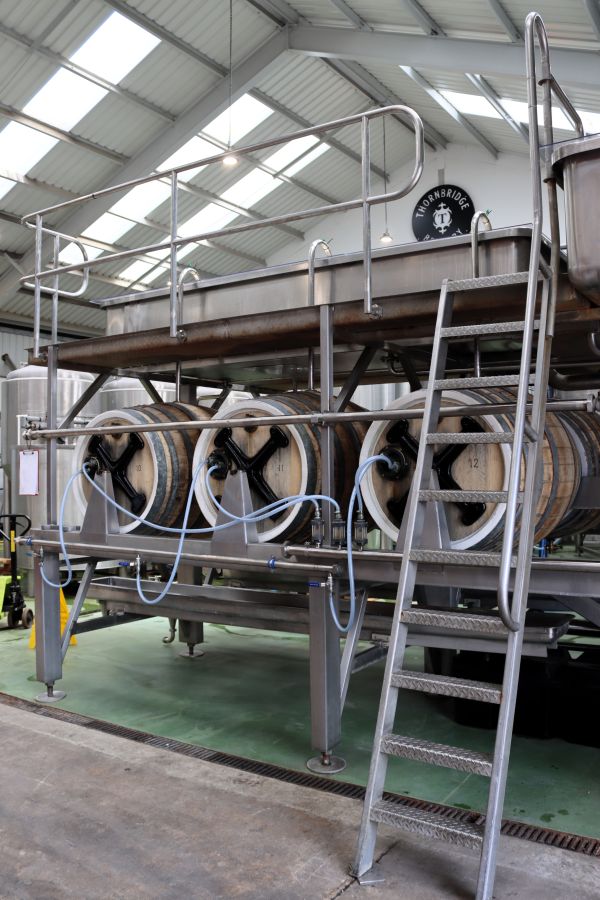
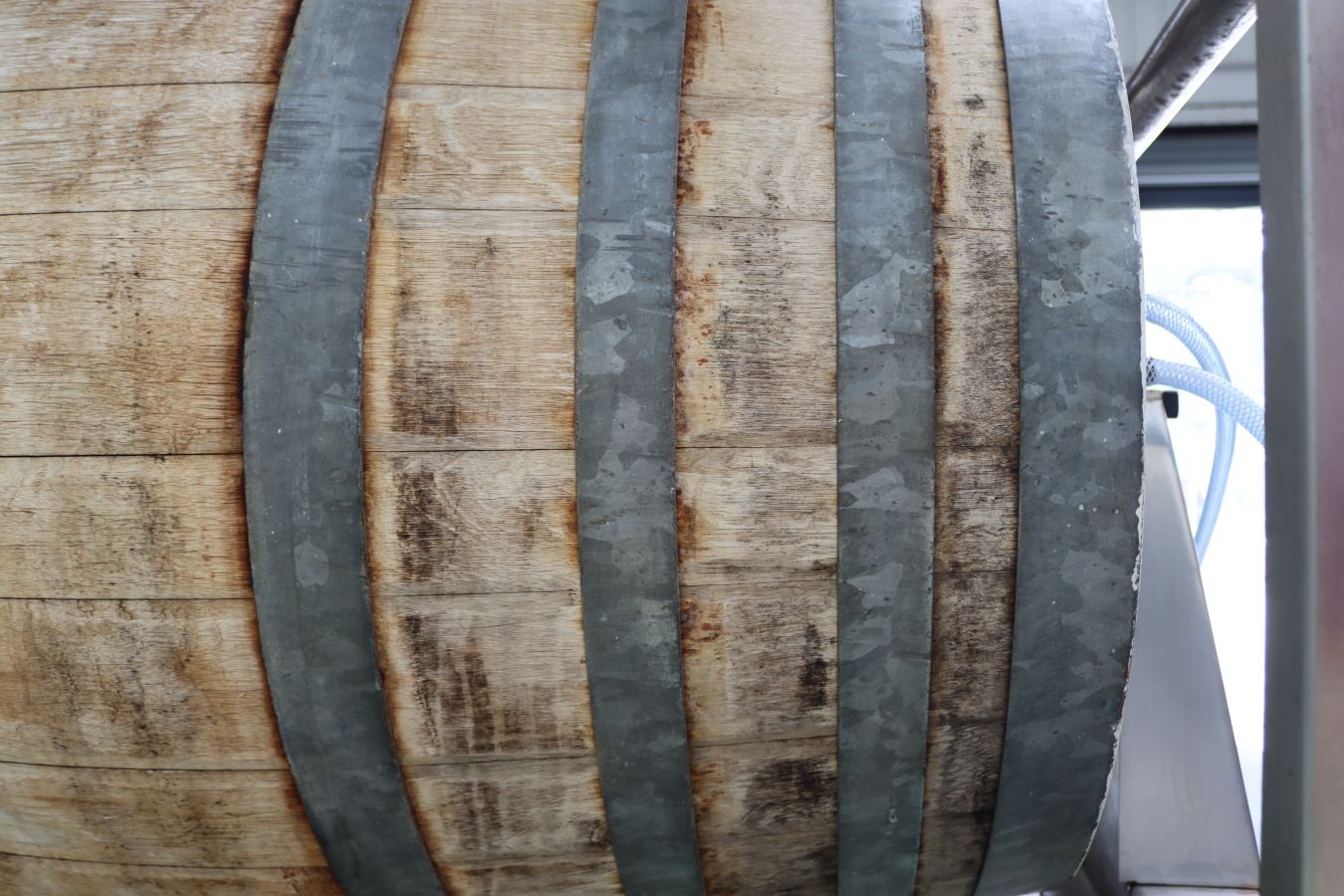
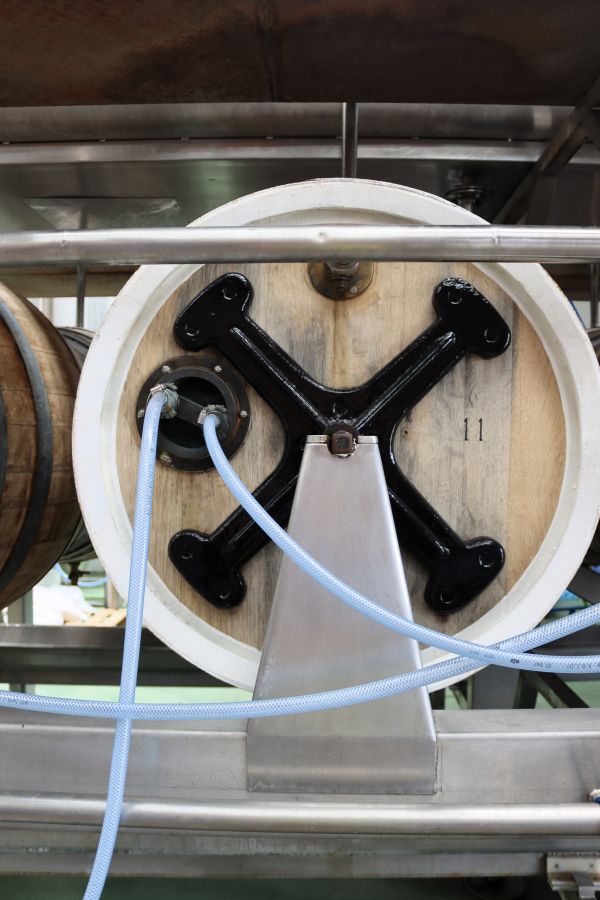
Used since the 1800s, the “union set” – also sometimes called a “Burton Union” – is a fermentation system. It uses a row of wooden barrels suspended in place with a wooden or metal frame. Older barrels are used, so that they do not impart any flavour to the finished beer.
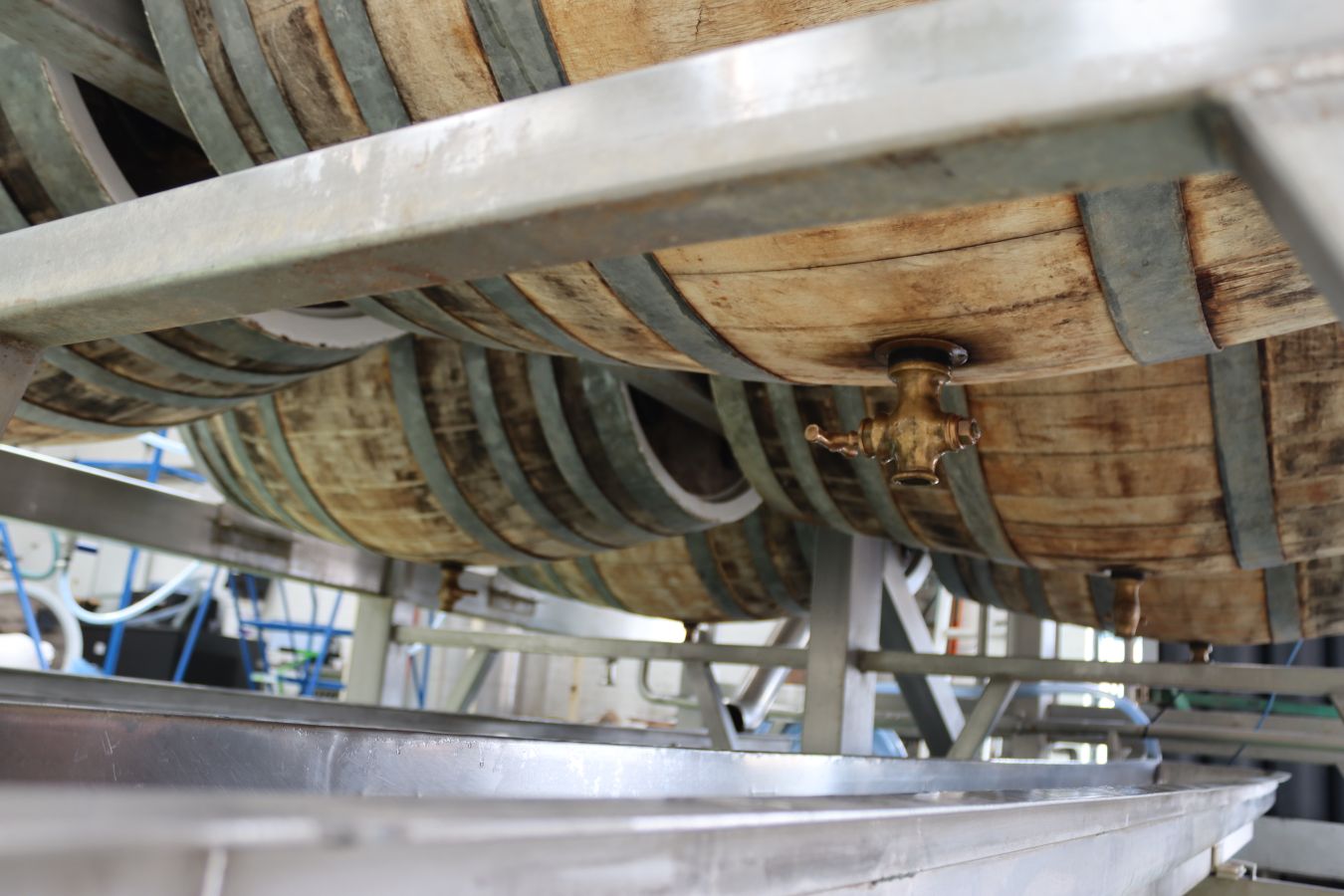
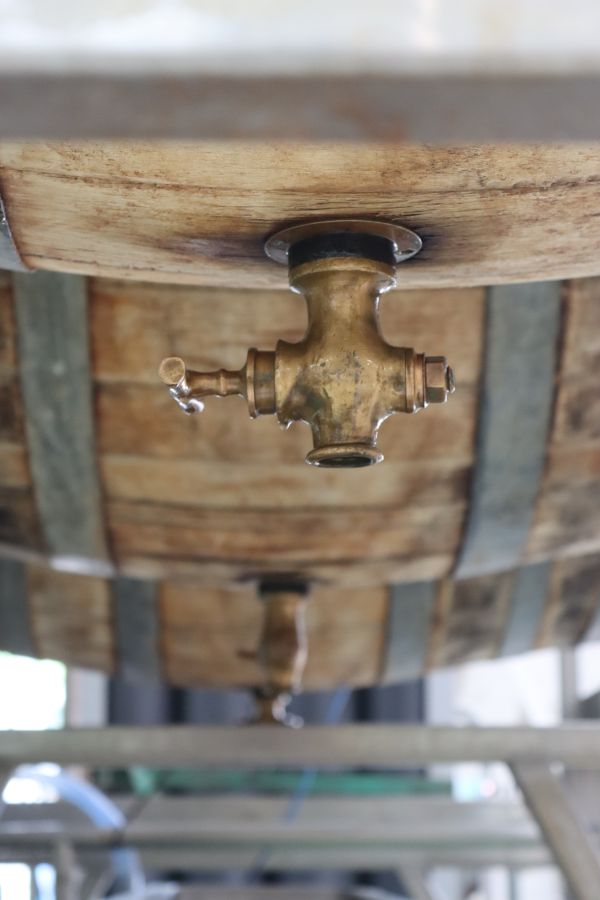
The barrels are evenly spaced and fitted with a bottom valve that runs through to a trough. Each barrel has a cooling coil to help control fermentation. The vessels are linked together with side pipes so that the wort can move evenly through them. Swan neck pipes from the top of each barrel open out onto a top trough, which is positioned above the barrels on a slight slant.
Fresh wort runs into the system. It already contains yeast and is actively fermenting. The action of the yeast forces it out of the swan necks and into the top trough. That trough fills with the yeasty foam, known as barm, while any wort that comes through with it trickles down the trough and runs back into the casks to continue its fermentation.
Gradually, healthy yeast is collected at the top of the system, which allows the beer in the barrels to become bright. Yeast from the top trough can be used again and the fully fermented beer is dropped into the bottom trough and collected ready for packaging or further conditioning.
-
The history of the unions
The union system arose from a widespread brewing method called carriage cask, where the barm spewed out from the bunghole of a cask, ran down the sides and was collected in a tray at the bottom. The yeast was collected up to use again, while any excess beer could be poured back into the cask.
Scottish brewer, Peter Walker (of Tetley Walker fame) is usually credited as the inventor of the union system. He put a trough to collect the yeast above the casks – making it more hygienic and allowing the excess beer to run straight back into the fermenting vessels without any action requiredfrom the brewer.
-
Walker filed a patent for his invention, #7658, on 31st May 1838, entitled: “Apparatus to be used in cleansing beer or other fermented liquors.” However, his casks were not linked together – it would be a few more years before the fully mature, framed and linked system that we know today was developed.
The historical record suggests that Walker’s work was an evolution, not just of carriage cask, but also several other inventions. Mr R W Dickinson of the Albany Brewery, Kent Road, first hit upon the idea of laying the casks on their side and using a pipe to feed the frothing yeast into a tub set above it. Dickinson’s “apparatus for clearing beer” was awarded a silver medal by the Society for the Encouragement of Arts, Manufactures and Commerce (now the RSA) in 1823. Dickinson’s work may in turn have drawn from other innovations, like R Shannon’s “Brewer’s Gyle Tun and BarmSafe”, described in his 1805 publication, A Practical Treatise on Brewing, Distilling and Rectification.
-
A frenzied adoption
It’s difficult to comprehend the scale at which this technological development was ultimately adopted, during a boom time in the expansion of the industrial brewing industry in the second half of the 19th century. Numbers of unions in use peaked around 1890, according to Paul Bayley’s research. They weren’t just found in Burton upon Trent, but across the United Kingdom and in Ireland. There is evidence for several breweries in Australia and India using them too.
However, their role in Burton brewing heritage is undeniably the most famous and they were likely most numerous there. In his book, The Noted Breweries of Great Britain and Ireland Vol 14 of 1889, Alfred Barnard treats us to an in-depth description of his tour of the Bass Brewery in Burton, which conveys the magnitude of the unions in their heyday. He speaks of the “mania” for commissioning unions that had gripped brewers just a few years before.
Barnard describes seven individual union rooms across Bass, containing thousands of barrels.
“We descended the principal staircase to visit [one] union room, said to be as large as any in Great Britain. It is cruciform in shape, 301 feet long and 114 feet wide… This magnificent chamber will seat 2000 persons, and contains nearly a mile of avenues between the unions. There are here to be seen no less than 2548 unions, averaging four barrels each.”
-
The end of a long chapter
The union system is labour intensive, Barnard observed. The barrels need continual maintenance and cleaning is difficult. The time and expense involved in running the union sets saw them gradually decommissioned. Breweries employed fewer coopers and developments in technology saw the introduction of stainless steel brewing kits that were easier to clean and maintain.
Sadly, even when the union was at its height, brewing in Burton had already begun a slow decline. The London brewers, who had flocked to the town to take advantage of its water chemistry around the time the union method was introduced, discovered that they could “Burtonise” their water at home by adding salts. Cheaper transport costs also encouraged larger brewers to find new, more conveniently situated, pale ale contractors. This is a great simplification, but essentially the town had lost its allure. Most of the great breweries there sold up, merged or simply went out of business.
Burton was not out of the game, however, and much of its focus shifted to lager production. Molson Coors still brews out of Burton to this day, as does Carlsberg Britvic. Until recently, they were the Carlsberg Marston’s Brewing Company (CMBC) – then Marston’s decided to get out of the brewing game altogether, and instead focus on their pub estate. Marston’s had been the last bastion of the union sets in Burton.
-
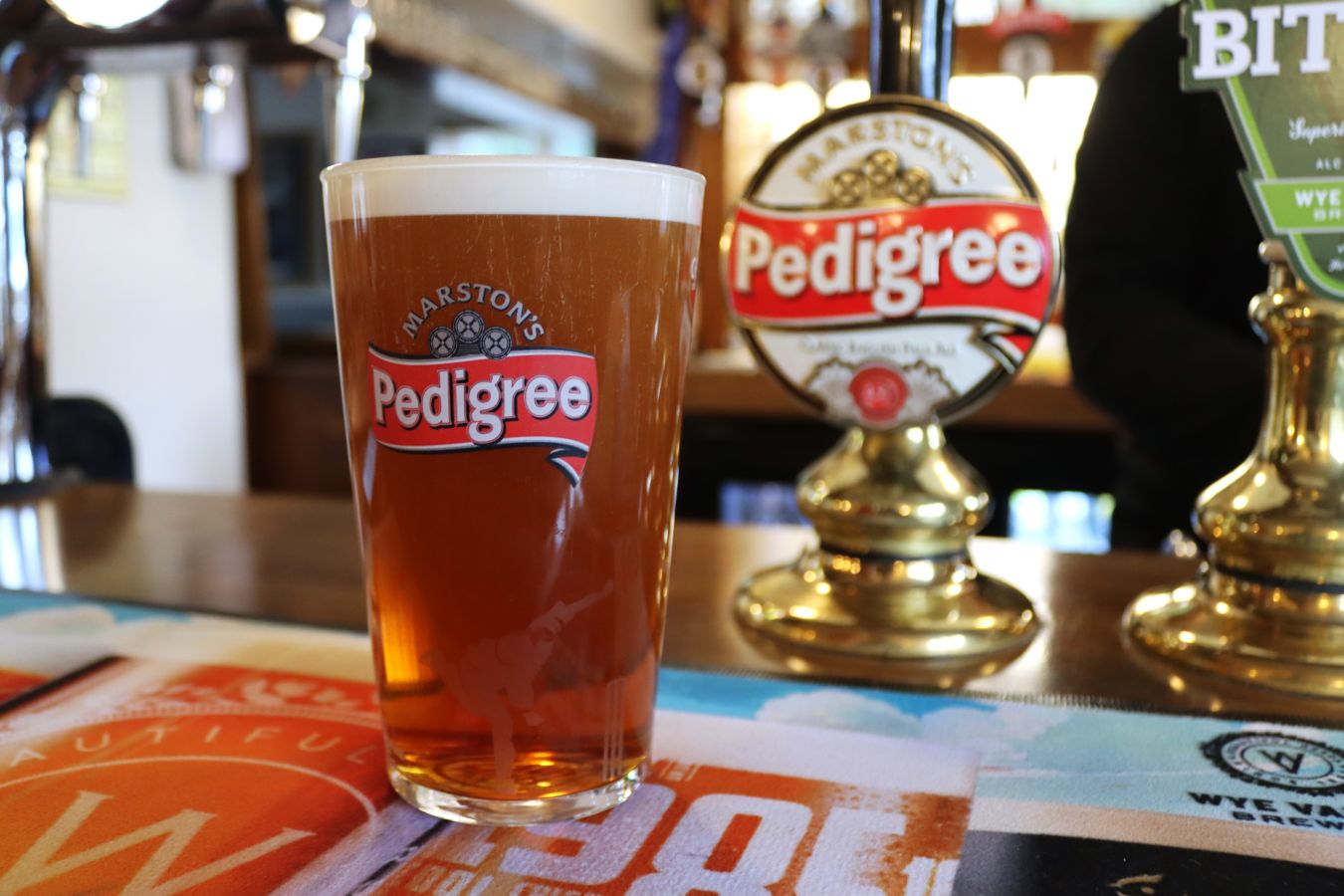
Bass had stopped using the unions in 1981 and so only Marston’s Pedigree was left brewed on the union. It was such an important part of the heritage of the company that they adopted the decorative metal on the union casks for their logo from around 1995. At the beginning of 2024, the Marston’s website told us that the technique “gives Pedigree its one-of-a-kind taste. No Burton union. No Pedigree. End of.”
In reality, by then Pedigree was only part-fermented in those historic casks, with the rest fermented in stainless steel and then blended back, to save on costs.
Then, suddenly, time was called on the unions altogether. Marston’s announced in January 2024 that they would be retiring the four remaining Burton unions to coincide with their last cooper taking his retirement.
Cooper Mark Newton retired from CMBC on 31st May 2024 after 30 years in the industry.
-
New horizons
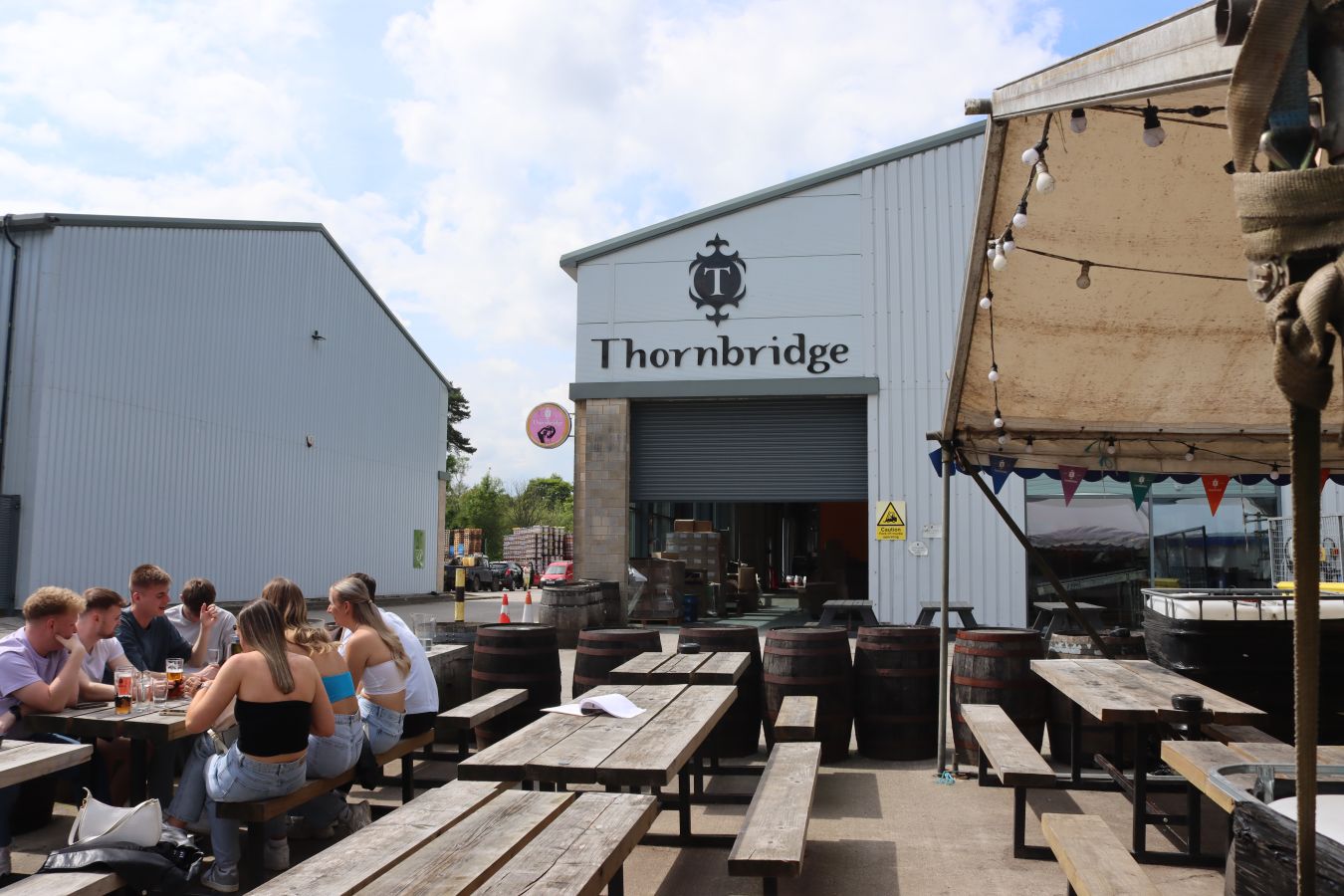
The announcement was a gut punch to many. Another nail in the coffin for Burton’s brewing heritage. The loss of a unique part of British beer history. But just a few months later, good news came to light. Six barrels from the Carlsberg Marston’s union were being gifted to Thornbridge Brewery in Bakewell.
“It goes back to an email that Garrett Oliver [of Brooklyn Brewery] sent to us saying he'd heard the unions were going to be laid silent,” Simon Webster, co-founder of Thornbridge explained. “He put us in touch with the powers that be at Carlsberg Marston's to see if we could get ourselves a set. To be fair to Carlsberg Marstons, from day one they were eager for it to happen.
“Garrett then dropped out of the race and left it to us. Mark Newton, [Marston’s] former cooper, has given us a lot of help on maintaining the barrels; how to treat them, soak them, and clean them.”
-
The barrels in the newly christened Thornbridge Union were made from German oak in 1992. The team are hoping for a decade of use from them, perhaps more with careful maintenance.
The installation took three weeks. First the stainless steel frame was set up. It was a complicated job, as the Thornbridge set is actually a section of the original – basically chopped off after the first six barrels with the filling trough and the top trough, then the end of another set welded on. The modification was made so that it could fit into Thornbridge’s space.
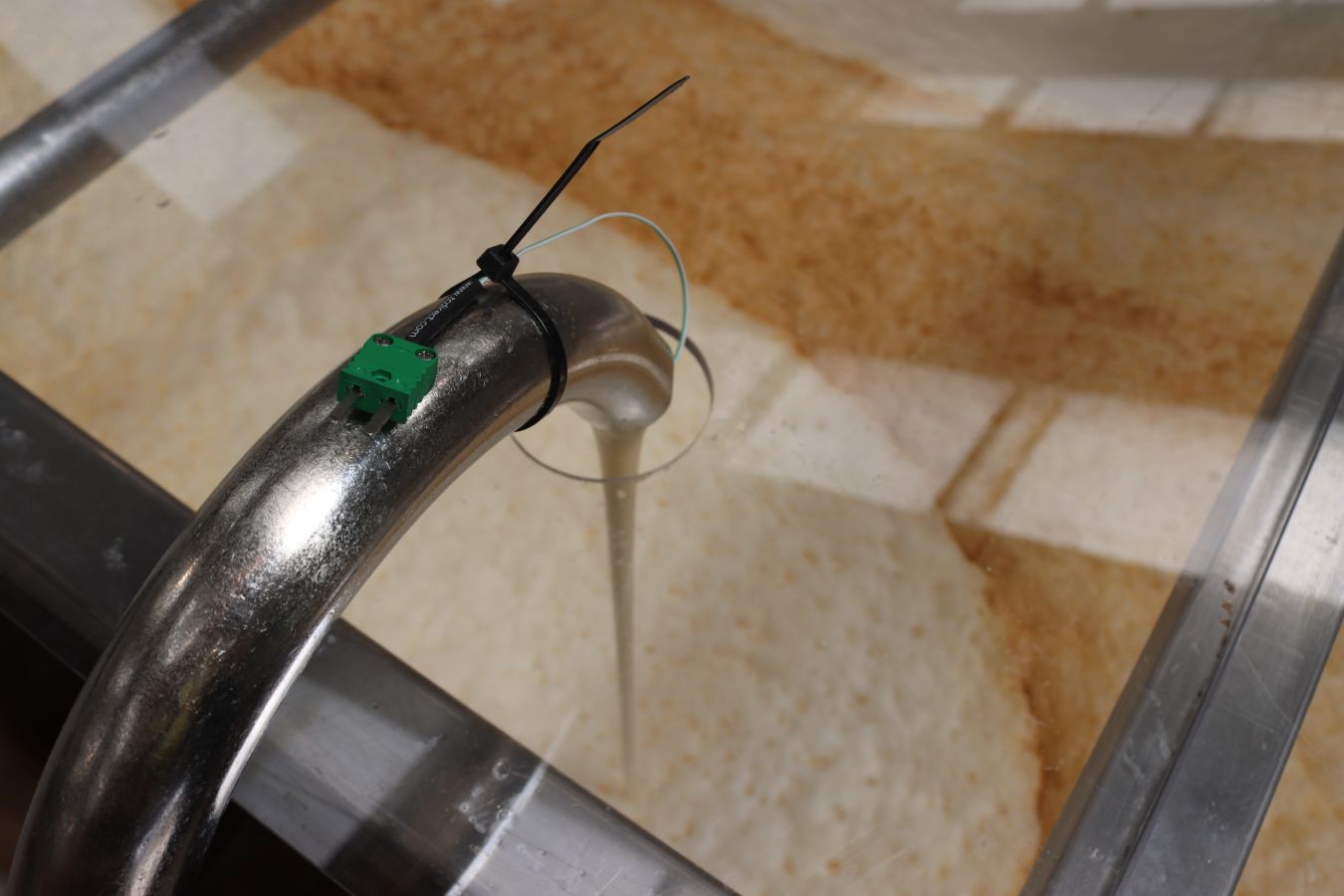
The barrels were brought down next and loaded into place on a forklift truck. Each barrel has an attemperator cooling coil to help control fermentation as well as individual thermometers to allow for better monitoring. The attemperators can be taken out, allowing the production team to look inside them as well.
-
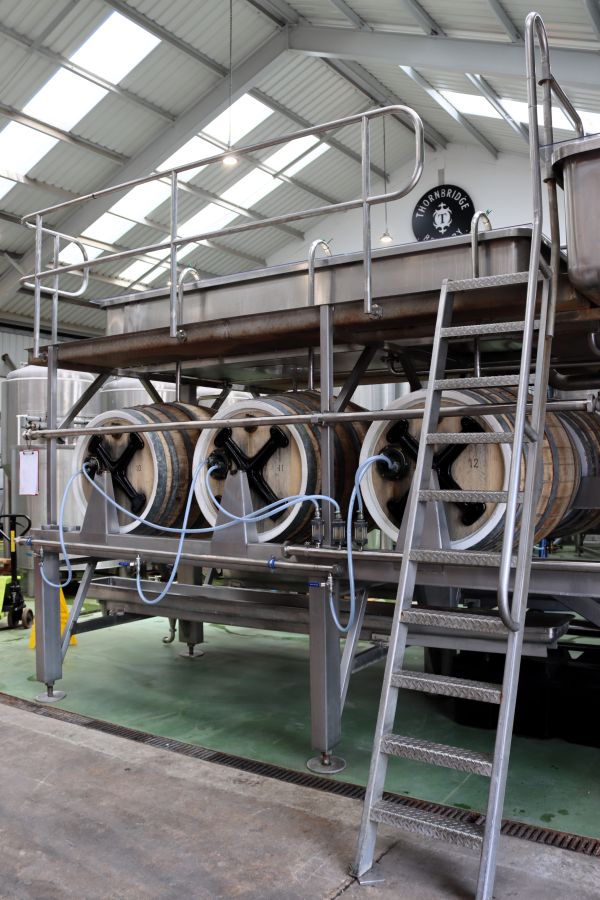
“It was like Mark was handing over six of his kids to us,” head brewer Rob Lovatt recalls. “Each one was numbered, so we’ve got 10 to 15. Mark renumbered them up for us, stained them and then did all the heads and painted them. It was a massive part of his life, maintaining these sorts of things.”
Once in situ, cooper Mark helped to put a cleaning regime in place. They are sprayballed with hot water every other day, then once every week or two they are filled up with water to soak. There are no chemical cleaners involved, and the team has been trained how to watch for any potential issues with the wood.
Empire Process Engineers Ltd was the firm who relocated the union to Thornbridge. They had already worked alongside Marston’s Brewery for more than 25 years, supporting them with on-site pipework installations and tank/vessel manufacture.
“It was with a heavy heart that we were asked to look at relocating the famous union sets in 2024 after working around them for so many years,” said Empire Director, Lee McCarthy. “But we were also pleased that a new home had been found for such an important part of brewing heritage.
“The responsibility of moving such an iconic part of brewing heritage was compounded by the need to dismantle the set in as sympathetic a manner as possible while also cutting it down to facilitate removal and transportation.”
-
The Thornbridge Union
What would the union method offer Thornbridge? Initially, they had no idea.
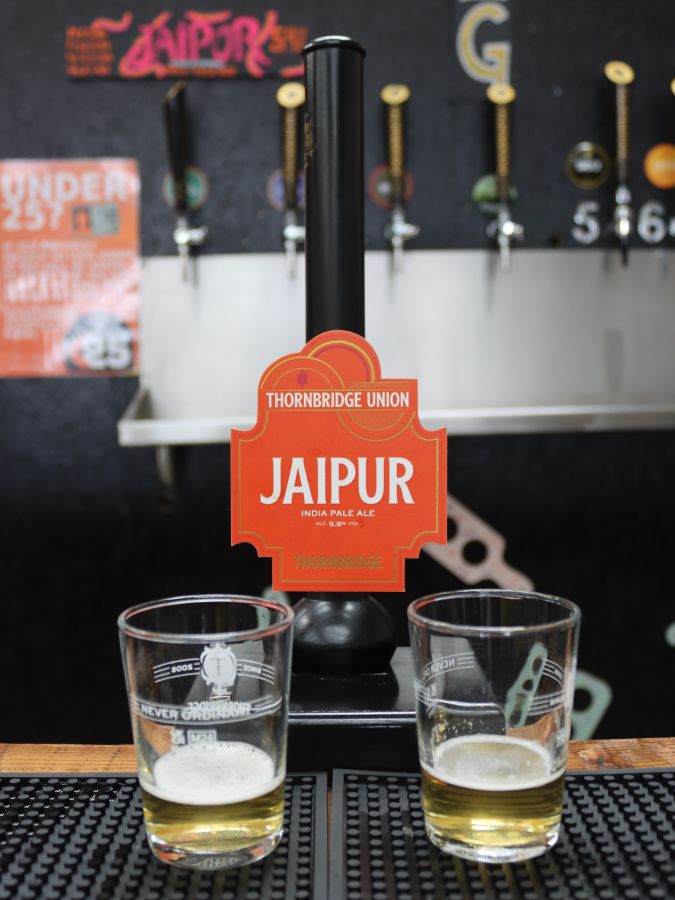
“Part of the worry was always ‘what happens if we make it worse?’” said Simon Webster when they had only brewed one batch of Jaipur on their new-to-them kit.
“We didn’t know. We’d never brewed with it.
“It didn’t make it worse, which is a real plus point because we were charging more for the beer as well. It is more expensive because it’s more involved and there’s more processes, so we had to make sure that it fundamentally made good beer. And it really does.”
Since then, there has been a huge amount of learning as the Thornbridge team have become familiar with brewing on the union. Production Manager, Dominic Driscoll, described some of the issues they have faced:
“We’re at the mercy of the climate where the union set is situated, so we have to keep a very close eye on temperature. Ben Wood, our technical brewer, has run temperature probes, catheter-like, down the swan necks so he can monitor fermentation temperature individually in each barrel and set the cooling accordingly. The cooling flow rate is set by ‘eye’ so takes some practise!
-
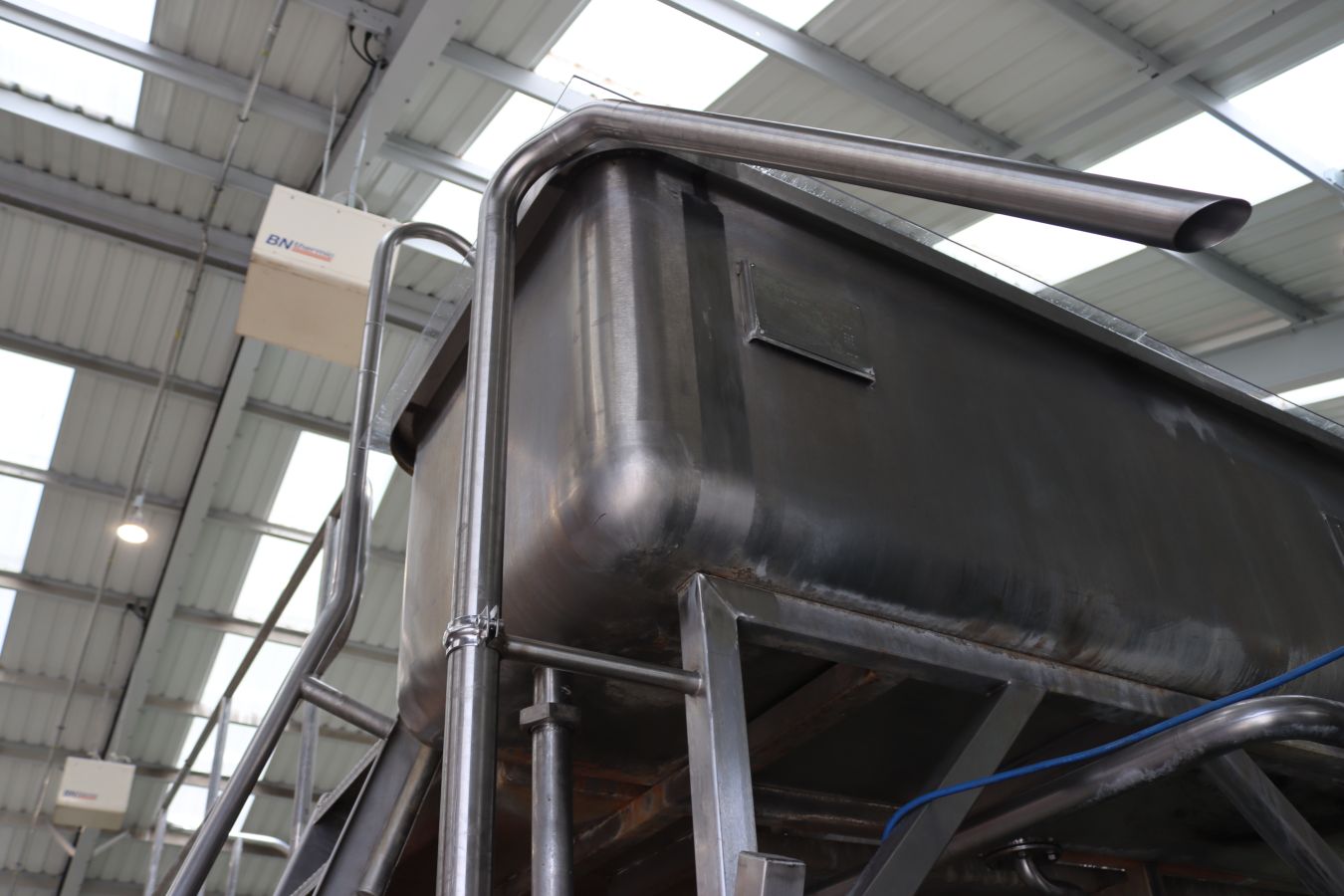
“The barrels all contain different concentrations of yeast. It’s these individual variations across the barrels that we think are giving the beers a unique character.
“We’ve abandoned using the bottom troughs to run the beer into the racking tank, as there was too much potential for oxygen pick up. We had a steel manifold made that we can connect to the bottom taps, so we can run the beer out of the barrels and pump it across for racking easily.”
Thornbridge has released a collaboration brew made on the union approximately every two months, and they have all been quick to sell out. They’ve been brewing a range of beer styles to learn as much as possible about how the system works.
-
The Second Union
A second union set was gifted, it was announced in June 2024, by CMBC to Epochal Barrel Fermented Ales in Glasgow. This coincided with the launch of Epochal’s new taproom, which had been supported by over £13,000 raised on Crowdfunder.
Like Thornbridge, Epochal’s founder, Gareth Young, was supported by Carlsberg and Empire on the transportation and set up of the system, along with being given advice on its maintenance.
The Epochal Union was first used to brew Glasgow Pale, a 4.5% Scottish stock pale ale, their only union brew to see commercial release. Gareth wrote a post on Epochal’s Instagram account saying that he’d emailed Carlsberg when he’d heard that the union’s were being retired, saying he’d “take the thing to keep it working, not having a clear idea how and assuming email [sic] wouldn’t lead anywhere.”
He continued:
“Beer should be a thing of romance and magic and there is no more romantic piece of fermentative magic than a Burton Union. When I first got into nice beer as a wee lad of 17 in 2002, I looked at pictures of this creature. It's hard to put into words what a privilege it is to look after it.”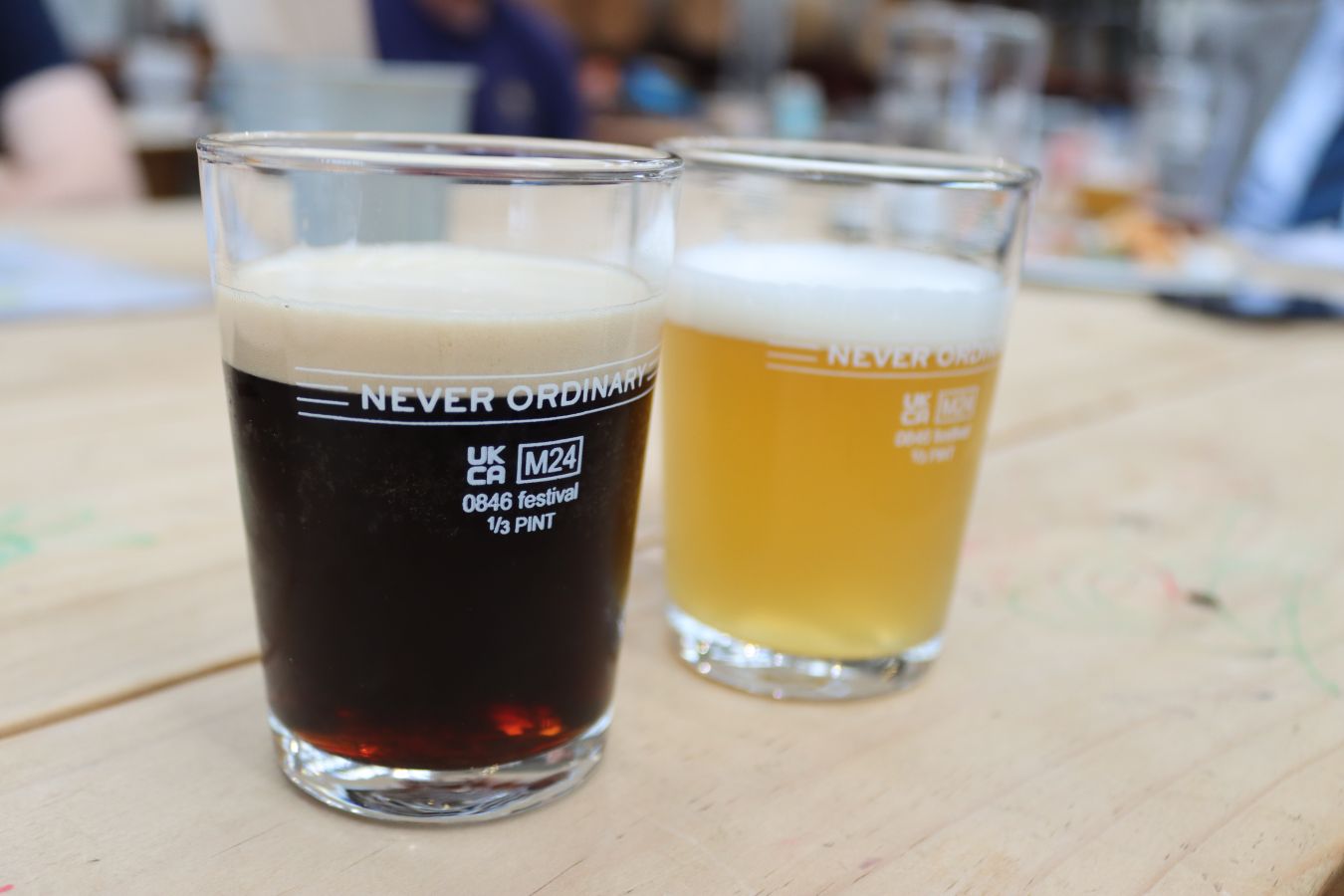
-
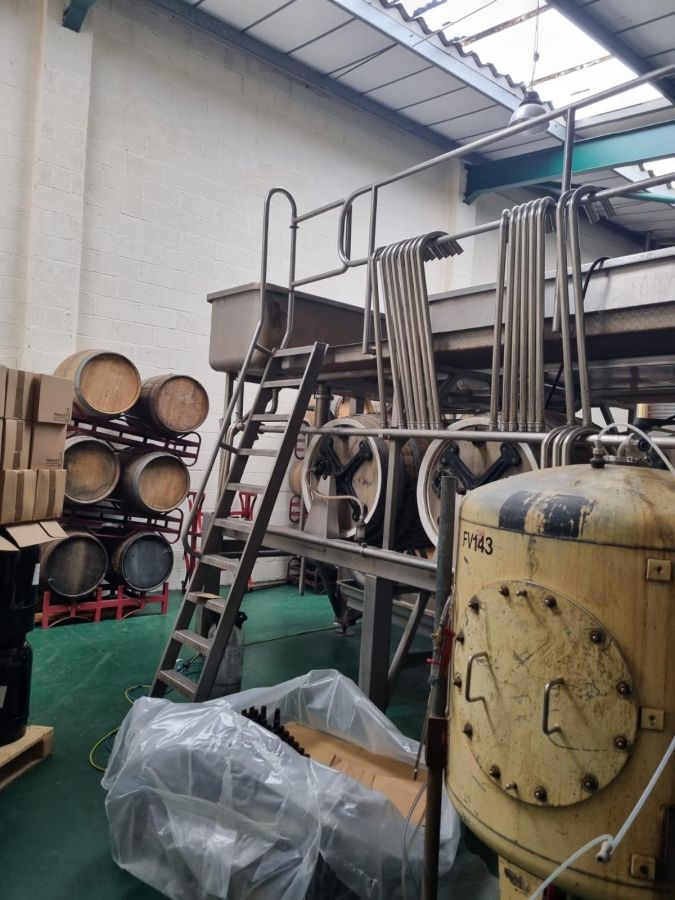
But sadly, there were issues behind the scenes. Epochal dropped off the public radar in January 2025, just after an esteemed group of Belgian brewers from Brasserie Cantillon, Brasserie de la Mule, Brasserie de la Senne and Gueuzerie Tilquin had visited to admire the new installation.
Epochal Barrel Fermented Ales had folded, despite months of effort from founder Gareth Young to find a brewery to partner to regenerate his brand. The union, like all the equipment and stock in the brewery’s former unit on Payne Street in Glasgow reverted to the ownership of the landlord, Cairn Building Solutions.
Although he no longer has any skin in the game, Gareth had attempted to facilitate Cairn’s efforts to find a buyer for the heritage equipment, keen that it should find a forever home in a UK brewery that will make best use of it.
It was touch and go, with the founder of Cairn Building Solutions announcing that as no buyer had been found, the kit would go to scrap. However, thanks to the publicity surrounding this statement over the Christmas of 2025, a buyer was finally found. Serious interest came from an American brewery, but since their logistics were more complex, Cairn decided to accept an offer from the newly formed Springbanks Brewery in Wolverhampton.
-
Based in a listed building in Lincoln Street, the new enterprise had only announced itself to the public at the start of December 2025, expecting to release their first beers in the spring of 2026.
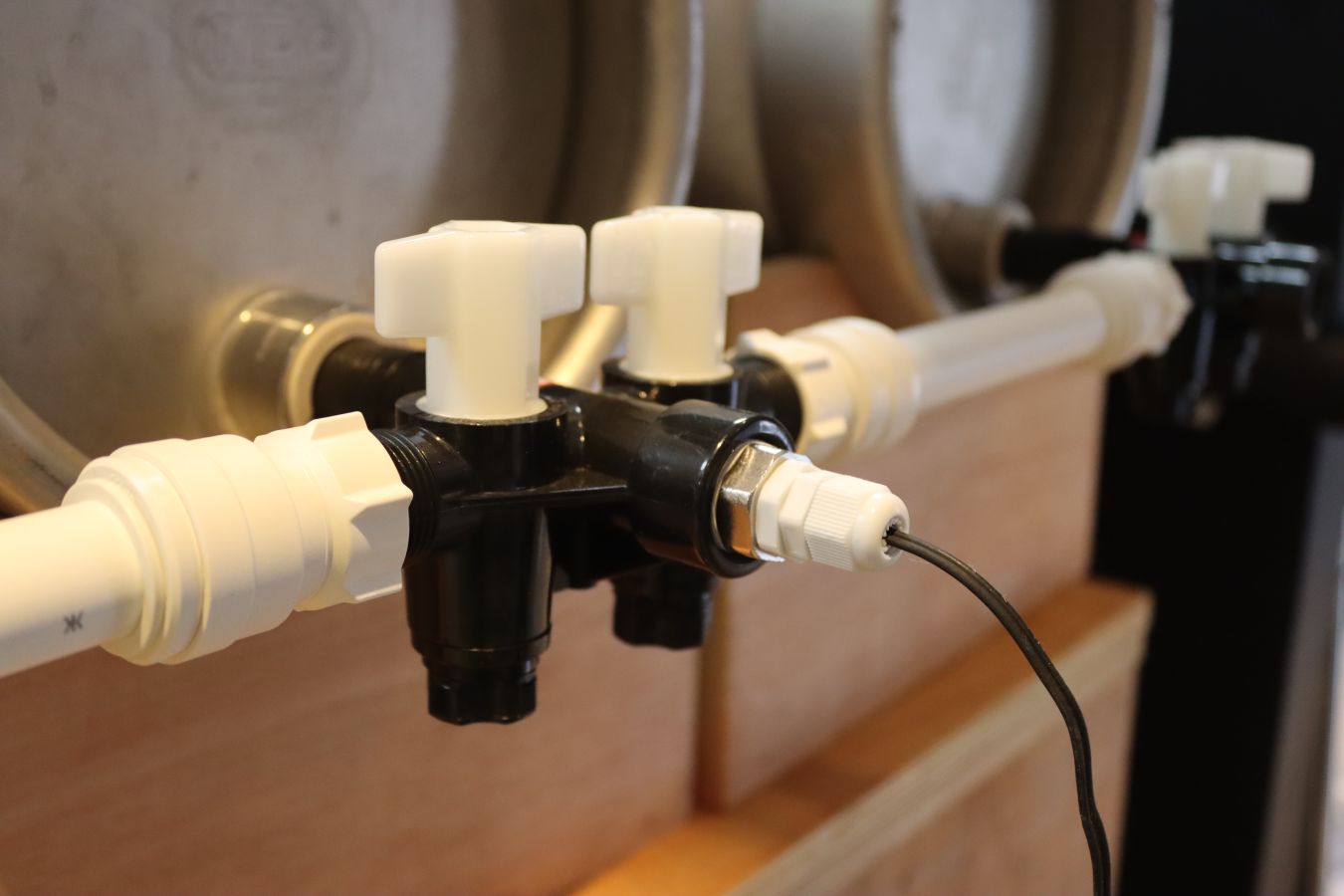
A key part of the brewery’s story is its commitment “to help preserve Wolverhampton’s brewing story for generations to come.” The acquisition of the second union – perhaps now best called the Springbanks Union – fits well with their ethos, since they have also been preserving heritage items from the old Springfield brewery and Banks’s Brewery which was closed by Carlsberg in September 2025. Time will tell how they manage the steep learning curve that will undoubtedly come with their new fermentation system – which will pose significant logistical issues for their small 10BBL brewery.
-
How many union sets remain?
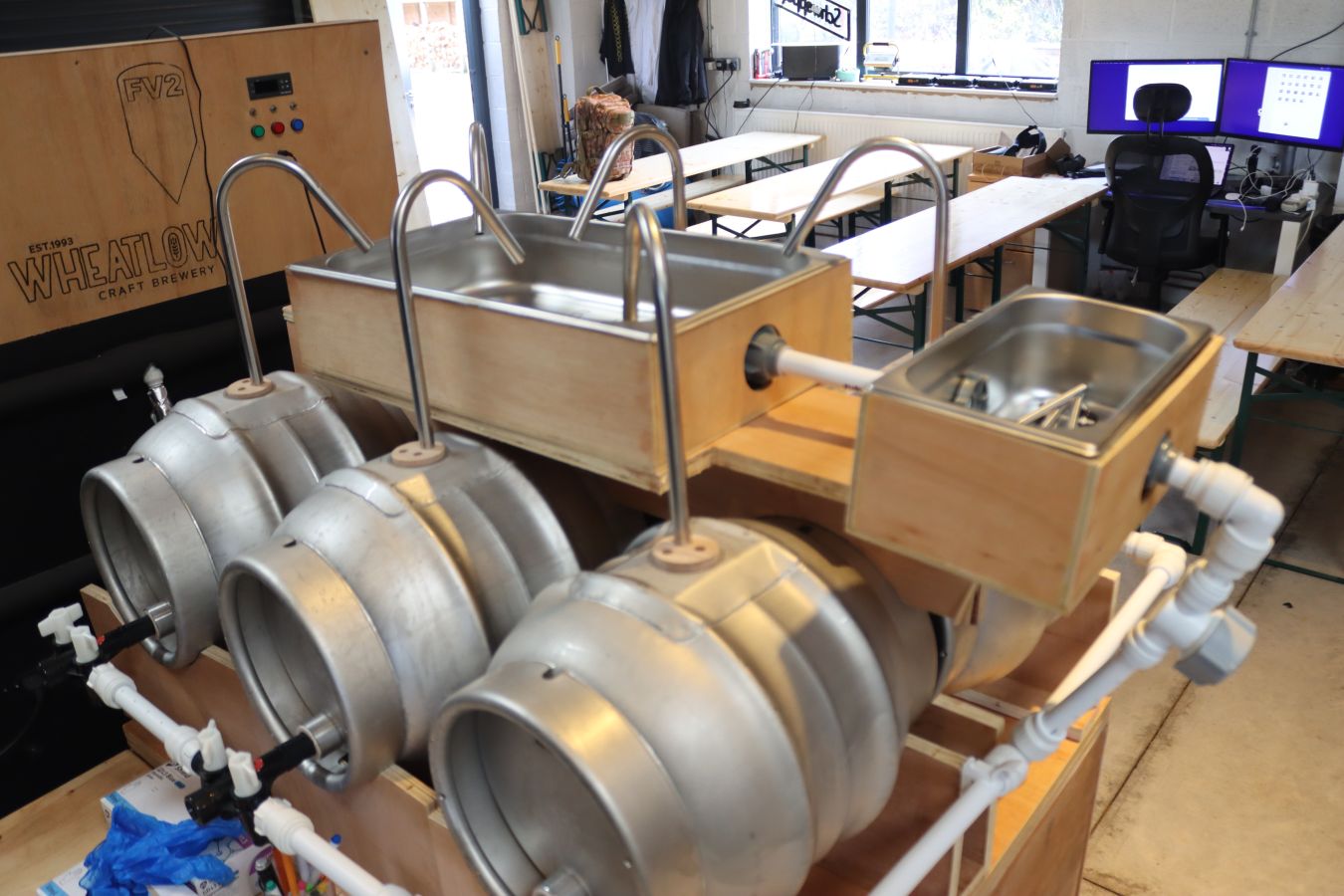
Let’s take a step back momentarily to consider the total number of known unions that exist in the world.
A spokesperson from, the currently named, Carlsberg Britvic explained that when they were still CMBC and brewing Pedigree, they had had 10 union sets, totalling 264 barrels at the Marston’s Brewery on Shobnall Road in Burton. Six of those were in the main fermentation hall, called the Union Room and four in the Aplin Room – named after the Head Brewer of the time. Those four were the newer sets made by H & JE Buckley Ltd and installed in 1992.
The six older sets in the Union Room contained 24 barrels and had a capacity of 95bbl. According to the spokesperson, these barrels, frames and troughs were in a very poor condition and not salvageable.
The four 1992 sets in the Aplin Room each contained 30 barrels with a total capacity of 120bbl. We’ve already discussed how an end trough, a partial top trough and six barrels each from two of these sets were donated to Thornbridge and Epochal. A further complete set was retired, varnished and restored on site.
-
“It has been fully disconnected from production and will not be suitable for use again,” the Carlsberg Britvic spokesperson said. “It's not currently available to the public, but we are looking into ways in which we might be able to make it visible to the public. We wanted to preserve the set to commemorate our brewing heritage and tradition as the unions played a huge part in the site's brewing history.”
The remaining 1992 set, partial troughs, frames and 78 barrels were retired and dismantled as no suitable or viable brewing home was found for them.
In the interests of completeness, it is worth noting that there is also a surviving union set from the former Bass No.2 brewery in Burton that was once a part of the National Brewery Centre displays. The centre closed in 2022, but the union is still easily visible from the street, although not directly accessible to the public at the present time.
There is hope that union brewing will return to Burton on Trent one day. The Burton Bridge Brewery, also home of the Heritage Brewing Company, have submitted a planning application for reconfiguring their site, which will allow them to expand and, excitingly, includes provision for a new union room.
Without access to one of the last surviving union sets, they have been developing big plans to build their own for the last 18 months. “We are really dedicated to bringing the union system to fruition,” said Brewery Manager Emma Cole. “We plan to keep the heritage yeasts away from the Burton Bridge strain to avoid any cross contamination. I will give updates as we have more developments.”
-
Brew it yourself
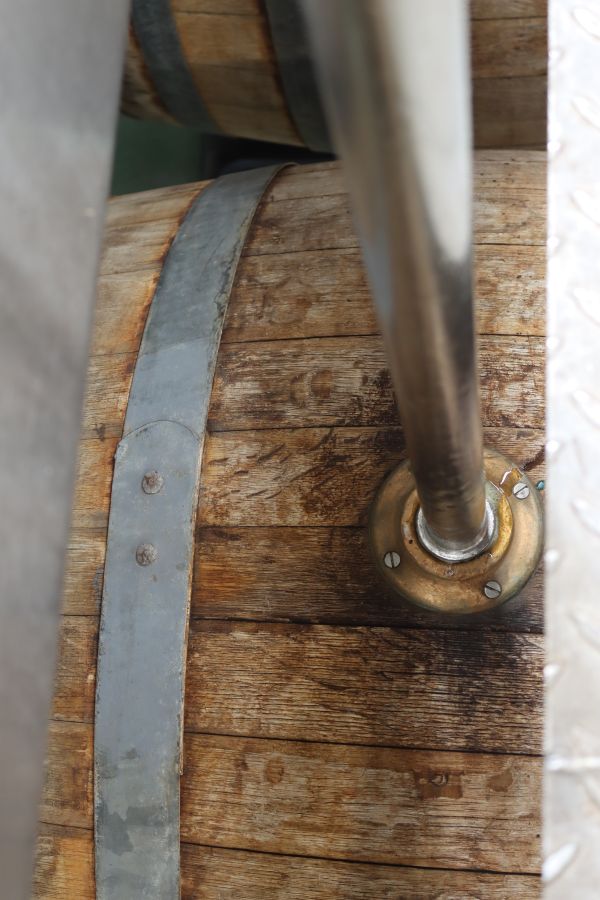
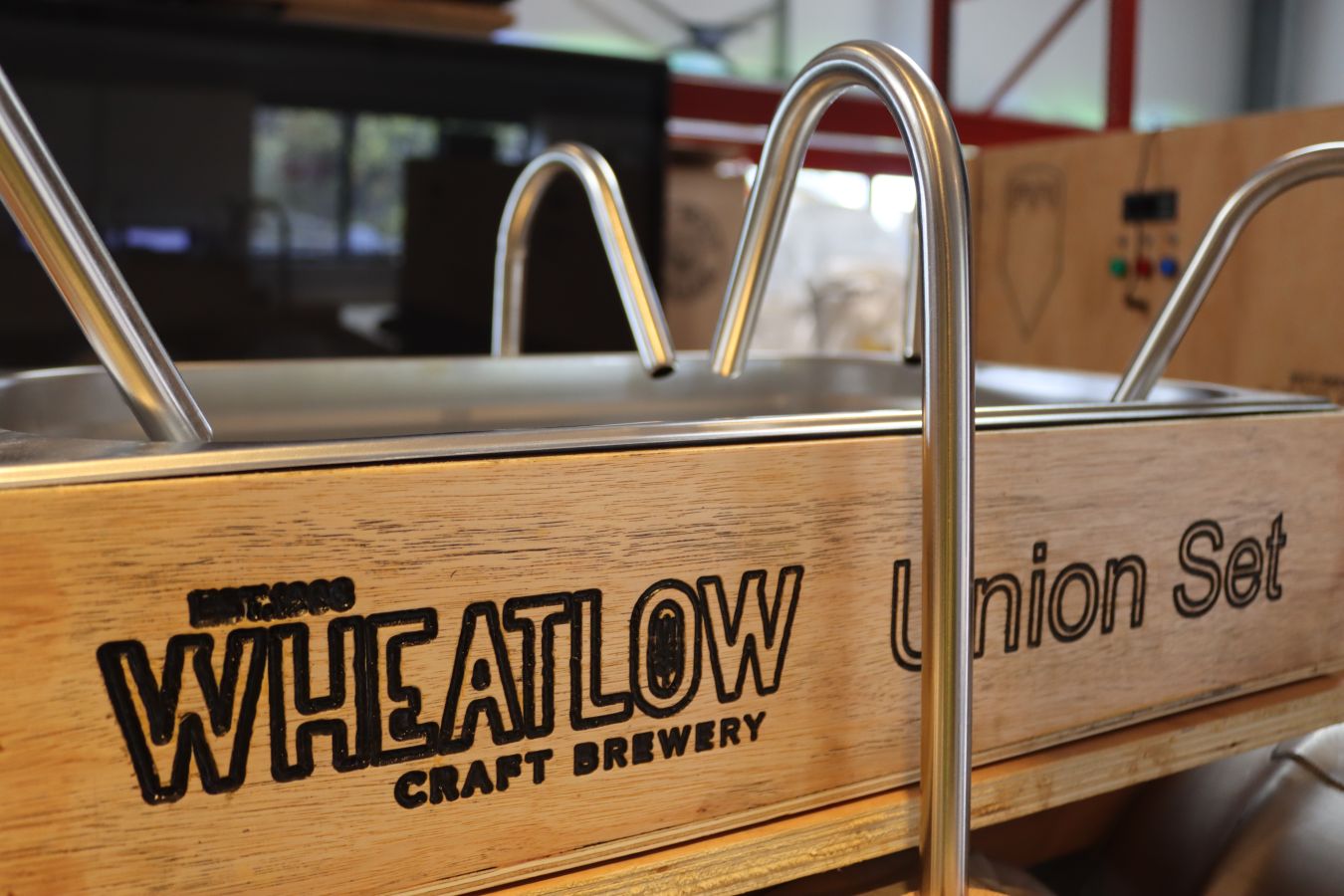
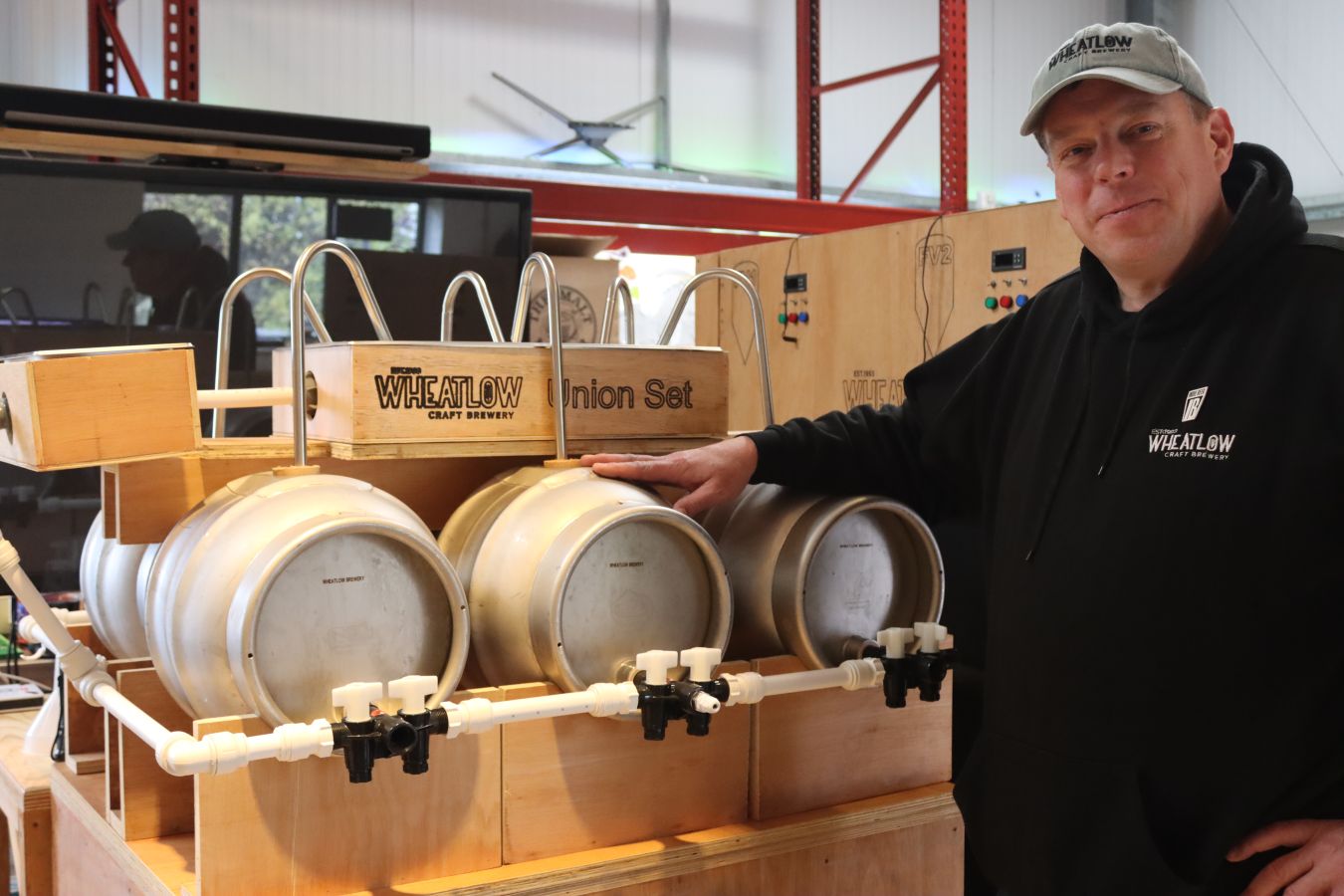
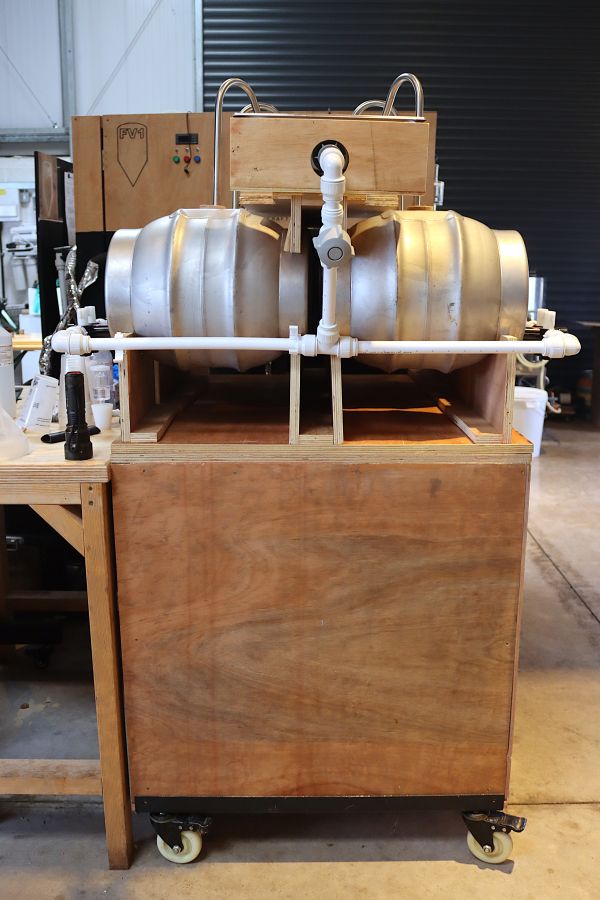
The Burton Bridge Brewery may have plans to build their own set, but there is another homemade union out there, little known but already in operation. It was made by Richard Baggeley, a homebrewer in Stone.
He has converted a metal shed in his garden into the Wheatlow Brewery. Despite not being a keen draught Bass drinker, the preference his Staffordshire neighbours have for the beer set him on a journey to brew an authentic-tasting version.
“I wanted to get to the bottom of Bass because I never got anywhere near it. It was around the same time that Thornbridge got their union set up. They had six barrels on their union and six pins (4.5 gallon metal casks) is exactly my brew length. Something just clicked in my head and I thought I had to build one.”
-
With a little bit of research online and a lot of ingenuity, Richard put together a framework, top tray, six stainless steel pins and a lot of pipes. He realised that this was something no one else had done before, so recorded the process for posterity on the Wheatlow YouTube channel. He has since produced more videos and live-streamed the fermentation process in action over 24 hours.
A blind tasting between Richard’s own union take on the Bass recipe, his regular recipe and a dry hopped version saw the union style win out, as it was smoother and softer. This is a tasting note that mirrors the character of many of the Thornbridge Union-brewed beers, across styles.
Richard’s next experiments with his union will focus on beers that are yeast-forward, as this is where he thinks the real strength of the union fermentation system might lie. Although Richard’s union set is still complex and contains many parts, using stainless casks is arguably a master stroke in making it easier to maintain than the originals. It remains to be seen whether anyone else chooses to run with this particular innovation in the future.
-
Unions abroad
There are still a handful of unions or union-style sets outside of these islands that should also be noted.
Firestone Walker in California runs a modified union that resembles a solera system – it is barrel fermenting but with no trough. Their spokesperson said that they use their oak “specifically for our Brewmaster Collective beers and Barrelworks brand. We have a full Barrel Room set aside at the Paso Robles Brewery where we hold many of those beers.”
Coopers in Australia had a union-style piece of kit in their museum, beer writer Roger Protz noted on a visit in 2011. He described it as resembling “a cross between a union and a Yorkshire square. Don't forget the founder, Thomas Cooper, came from Yorkshire.” The system allowed for “double drop” brewing, where beer flows under gravity after the initial fermentation into a new vessel ready for the secondary fermentation. It is the same system used by Brakspear in Oxfordshire for their bitter, Gravity.
Australia has form when it comes to union brewing. The biggest brewery in the country, Tooth & Co of Sydney, were described in the Brewer’s Journal as having a “union room not excelled by even anything in Burton.” Archive photographs of the pristine room exist from 1890. Tooth & Co had by then long since built, and ultimately sold, a brewery of their own in Burton upon Trent, the Crescent Brewery.