Government & Hospitality – Beer Ties
Series: Regulatory HistoryIf ever there was an example of unintended consequences then the Beer Orders is it.
Illustrations by Christine Jopling.
Things you will learn

- Big Six limit
- Brewery loans
- The start of PubCos
- Repeal of The Beer Orders
- The Pubs Code
- Changing Times
-
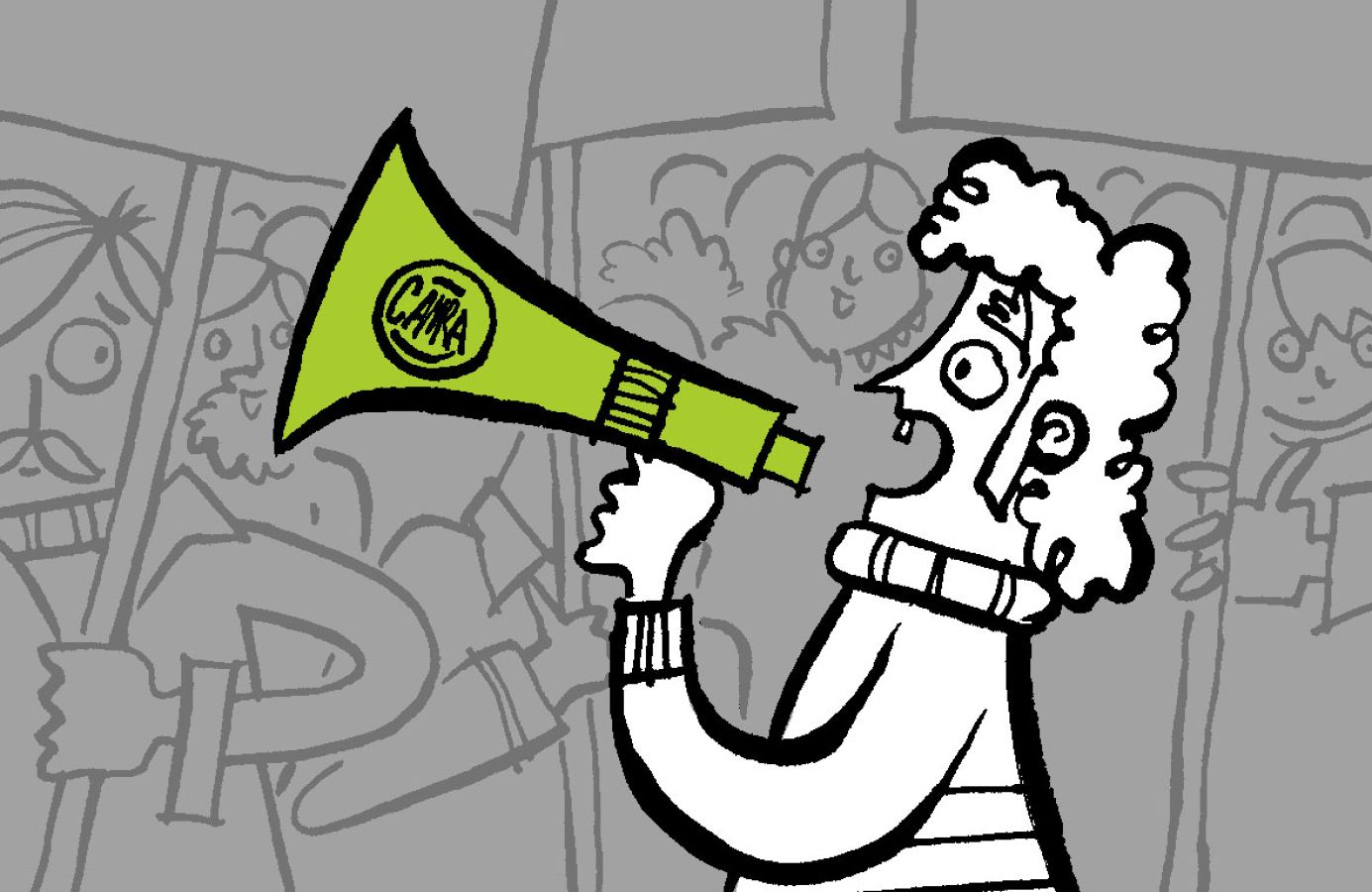
The late 70s and early 80s saw the rise of consumer power and political activation amongst the general public. In 1971 CAMRA itself was formed as a push back against the homogenisation of beer; with 75% of the beer sold in England being supplied by just six breweries who didn’t brew a single cask conditioned ale between them. By 1976, just five years after the formation of CAMRA the large breweries had started to pay attention and Allied Brewers released Burton Ale, its first “Real Ale”, with the other breweries soon following suit and cashing in on this new market. Later that year CAMRA started pushing for the strength of the beer to be shown on the pump clips and labels, something that was previously unheard of.
-
By the mid 1980s CAMRA was becoming not just a voice for consumers, but also a force to be reckoned with and had the ear of the Government. By the late 1980s CAMRA were one of the voices calling for the government to look into what was seen as a monopoly by the “Big Six'' breweries of Bass, Grand Metropolitan, Courage, Whitbread, Allied Brewers and Scottish & Newcastle who between them accounted for 75% of the beer produced in the UK. This call had been made several times before, but finally due to growing pressure The Competition Commission looked into these concerns and reported back a number of adverse findings about the closed nature of beer supply in the UK, essentially backing up the claims by CAMRA and the smaller breweries.
The report specifically mentioned that the Brewers Society answered all questions quickly, and forcibly, backing up their members and saying there wasn’t any issue or monopoly. The report found differently. The opening paragraph was particularly damning: “Our terms of reference require us to investigate and report on whether a monopoly situation exists in relation to the supply of beer for retail sale in the United Kingdom. We have unanimously concluded that a monopoly exists in favour of those brewers who own tied houses or who have tying agreements with free houses in return for loans at favourable interest rates.”
The Government decided to act and “The Supply of Beer (Tied Estate) Order 1989” was introduced into law later that year, giving the breweries until 1st November 1992 to comply with its provisions, or to stop brewing. The Government wasn’t messing about, perhaps in response to the hardline that the brewers used to respond to the Competition Commission’s research into the industry.
-
Big Six limit
The main provision known about the Order was that no brewery could own more than 2,000 pubs. This didn’t sit well with the breweries, the largest tied estate being 7,300 pubs owned by Bass.
But the consumer organisations kept the pressure on until a compromise was met and a provision was eventually included for a Large Brewery Group, those with more than 2,000 pubs. They were able to sell half of what they had over the 2,000 limit, and keep the rest. Meaning that Bass would be able to keep 4,650 of their 7,300 pubs, which was still more than Scottish & Newcastle owned at the start of the report.
Another aspect of the Order that is often unknown is that the breweries didn’t have to sell the pubs over their limit, but rather they could let them on a Market Rent Only option, allowing the tenants to buy their beer from anywhere they chose and only paying rent to the brewery that owned the building. This model came back into the news in 2014 when MP’s voted to include the market Rent Only option for tied and leased pubs as part of the Pubs Code, the legislation that was meant to replace the repealed Beer Orders.
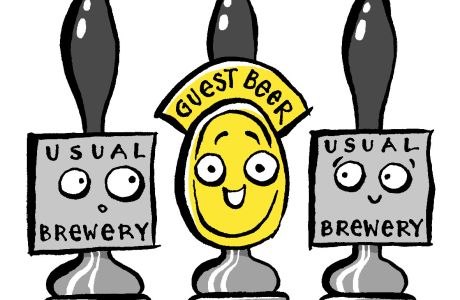
The Beer Orders also said that tied pubs should be allowed a guest beer, a clause that would lead to further unintended consequences.
-
Brewery loans
What didn’t get included in the final Beer Orders however was the recommendation to ban brewery loans. The report estimated that half of the 25 percent of pubs not owned by breweries were still tied to them by way of brewery loans. However, the government decided that these were acceptable, and when they’re done right they are a good way for people without a nest egg to set up their own freehouses and have been used to good effect over the years.
However, even before the breweries were forced to comply with the Beer Orders a change of Cabinet saw the new Secretary of State for Trade and Industry, Nicholas Ridley, point out to the breweries that there was a loophole in the legislation. That they could sell their pubs to a non-brewing operator in exchange for a supply agreement. Some breweries went so far as to sell their brewing operations, and buy pubs from other members of the Big Six.
-
The start of PubCos
When the Beer Orders were implemented in 1990 they only applied to the breweries: “(4) This article does not apply to an agreement made before 1st May 1990 if immediately before that date no party to it is any longer a brewer who holds interests in more than two thousand licensed premises or a member of a large brewery group unless subsequently a party to it becomes or, as the case may be, becomes again such a brewer or a member of such a group.” Nobody imagined something like a PubCo would exist. Originally pubs were owned by the person behind the bar; building, fixtures and fittings. They chose which brewery to buy their beer from and the industry grew up around that. Watsons of Liverpool were the first to change this by introducing a managed, tied estate, and the Licensed Victuallers Association (who later became the British Beer and Pub Association) fought against it. As the tied estate model became more successful more and more breweries started to adopt it.
-
With a large number of pubs suddenly coming onto the market, investment companies saw the benefit of buying up the properties from the breweries and renting them back to the tenants, whilst arranging supply deals with the breweries they’d bought the properties from. And as these companies weren’t breweries, the Beer Orders didn’t apply to them. They could own as many pubs as they liked, and they didn’t have to have guest beers.
The Brewers Society who forcibly protested against the report happening changed their name in the 1990s to the Licensed Retailers Association, and then in 2000 changed it further to the British Beer & Pub Association to reflect the change of its members, a lot of whom were now PubCos.
-
Repeal of The Beer Orders
The Beer Orders were repealed in January 2003 much to the delight of the British Beer & Pub Association, but by then the damage was already done, the PubCos had arrived.
Whilst the BBPA were gushing over the revocation, claiming in the Morning Advertiser publication that “the beer industry is a competitive market, and we don’t need Government interference” both the Small Independent Brewers Association and CAMRA were less happy. Paul Davey who was Chairman of SIBA at the time pointed out that the Beer Orders were the only way that smaller brewers were able to sell their beer into an almost completely closed market, and that the suggestion that the Beer Orders had served their purpose was absurd. While Mike Benner from CAMRA was quoted as saying: “The revocation of the Beer Orders will send shock waves through the industry as there will be nothing to stop large brewers and pub chains tying up huge chunks of the market, restricting access to smaller brewers and smashing consumer choice.” A very prescient quote.
-
The Pubs Code
By March 2015 the PubCos quasi-legal practices had got so out of hand that the Government was forced to introduce the Pubs Code (Small Business, Enterprise and Employment Act) to try and reign them in, making prospective tenants more aware of deals that they were signing, and protecting tenants already under contract.
The Pubs Code saw the return of the Market Rent Only Option amongst other things.
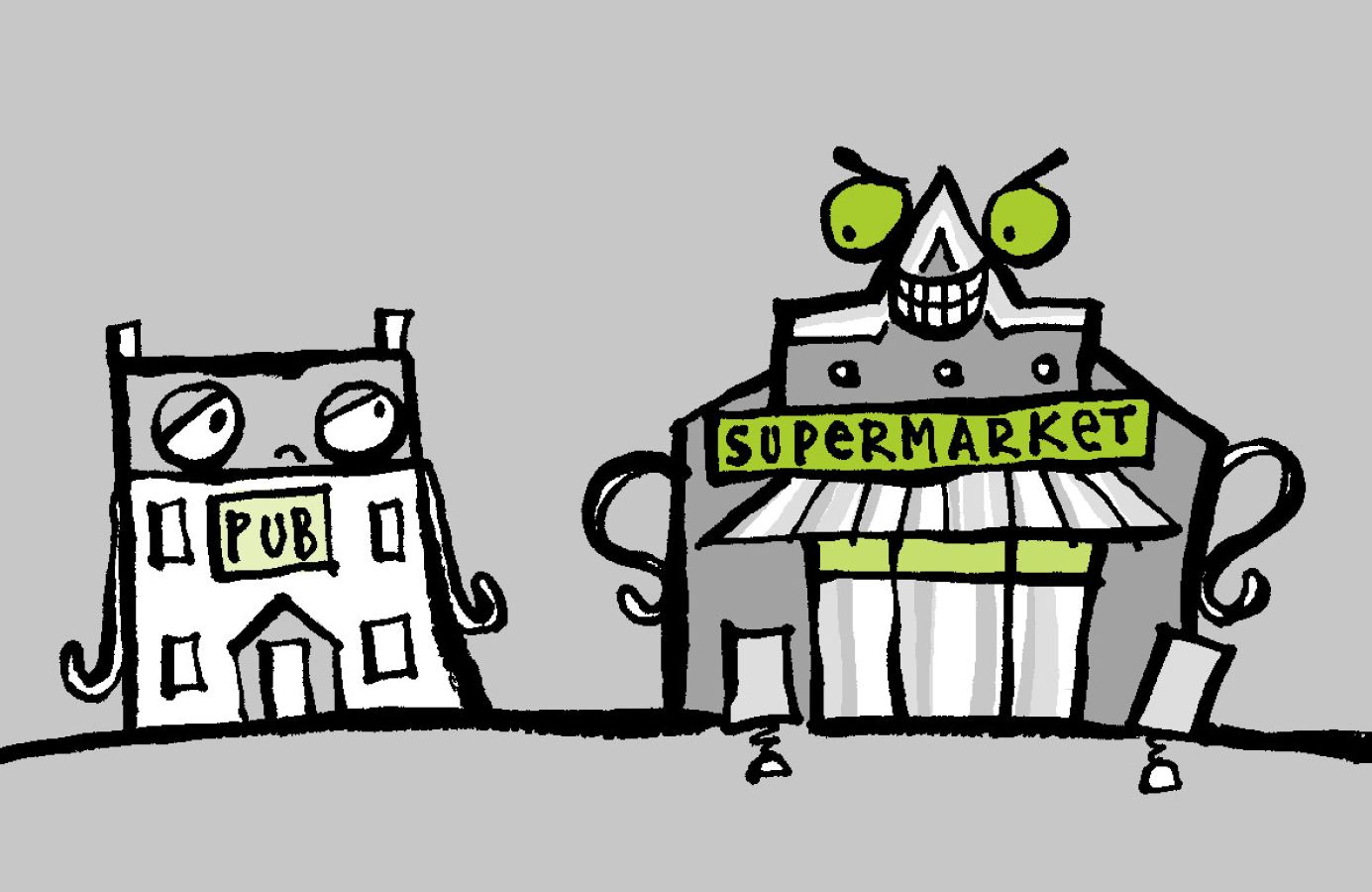
The PubCos didn’t have it all their own way though. At the time of the report 85% of beer sold in the UK was sold in pubs. By 2022, however, that had fallen to 41% with supermarkets taking the lion share of UK beer sales.
And compared to 75% of beer being brewed by the six largest brewers, in 2022 the 6 largest breweries accounted for 77.6% of beer sold in the UK.
-
Changing Times
The UK itself was having a social upheaval around this time too. Satellite TV had first been introduced into the UK in 1982, and British Satellite Broadcasting launched in March 1990, merging with Sky to become British Sky Broadcasting in October of that year. In April 1991 Sky Sports launched. In 1995 the Playstation console was launched, one of many that were released in the 90’s.
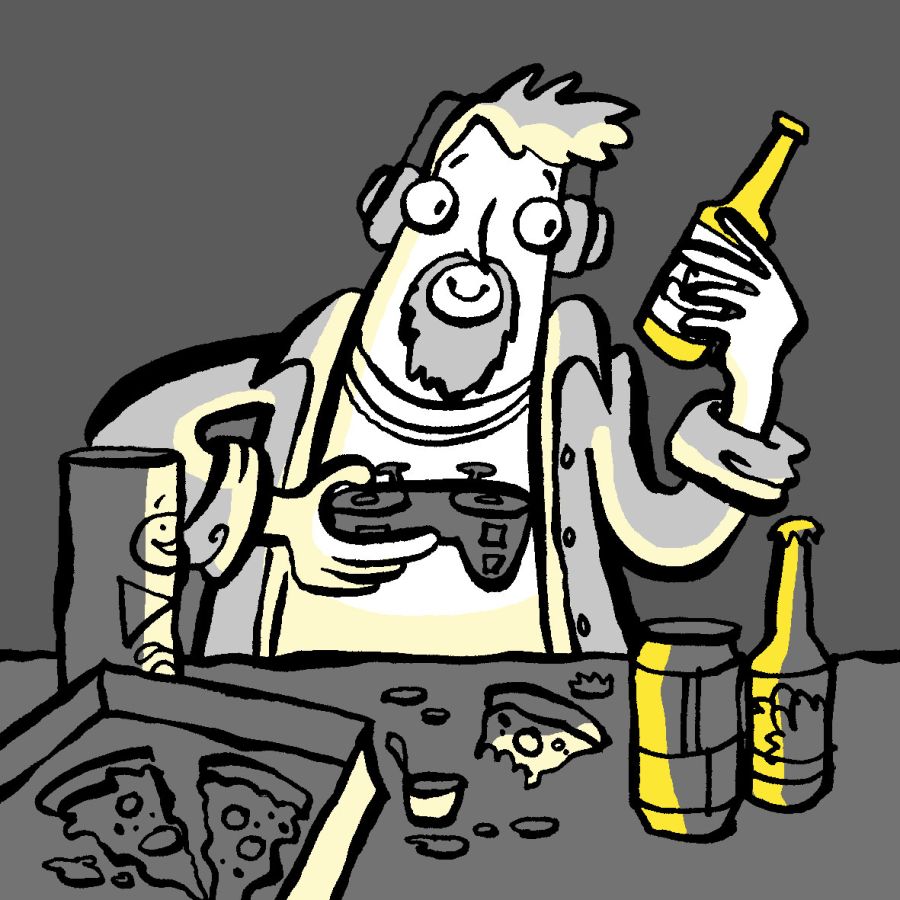
By the time that the Beer Orders were rescinded, and the PubCos had taken their grip on the market, there were far more reasons for the British public to stay at home for entertainment.
And the homes were getting better. In 2002 it became mandatory for all new houses in the UK to be fitted with double glazing. Outside toilets were almost a thing of the past, and kitchens were filling up with all manner of labour saving devices. In short, there was less reason to go to their local pub.
All that the Beer Orders seems to have achieved is changing which breweries produced the beer, from UK based family brewers to multinational corporations, and creating PubCos that have had a rather chequered history of their relationships with their tenants.