American Heirloom Cider Apples: A Complex Journey From Culinary Colonisers to Craft Cider Revivalists
Illustrations by Christine Jopling
Things you will learn

- Nuggets of sustenance
- Apples in North America
- Varieties and cultural context
- The origins of American heirloom cider apples
- Orchards, Johnny Appleseed and Indigenous Displacement
- Seeding Manifest Destiny and Erasure
- Enslaved cidermakers and the Founding Fathers
- From Smallholdings to Cities, Popularity to Prohibition
-
Nuggets of sustenance
Apples. These resilient, adaptable and multifunctional nuggets of sustenance can now be found in one form or another across the globe, but when it comes to cultural rhetoric, one country lays the strongest claim to these orbs of goodness: The United States of America.
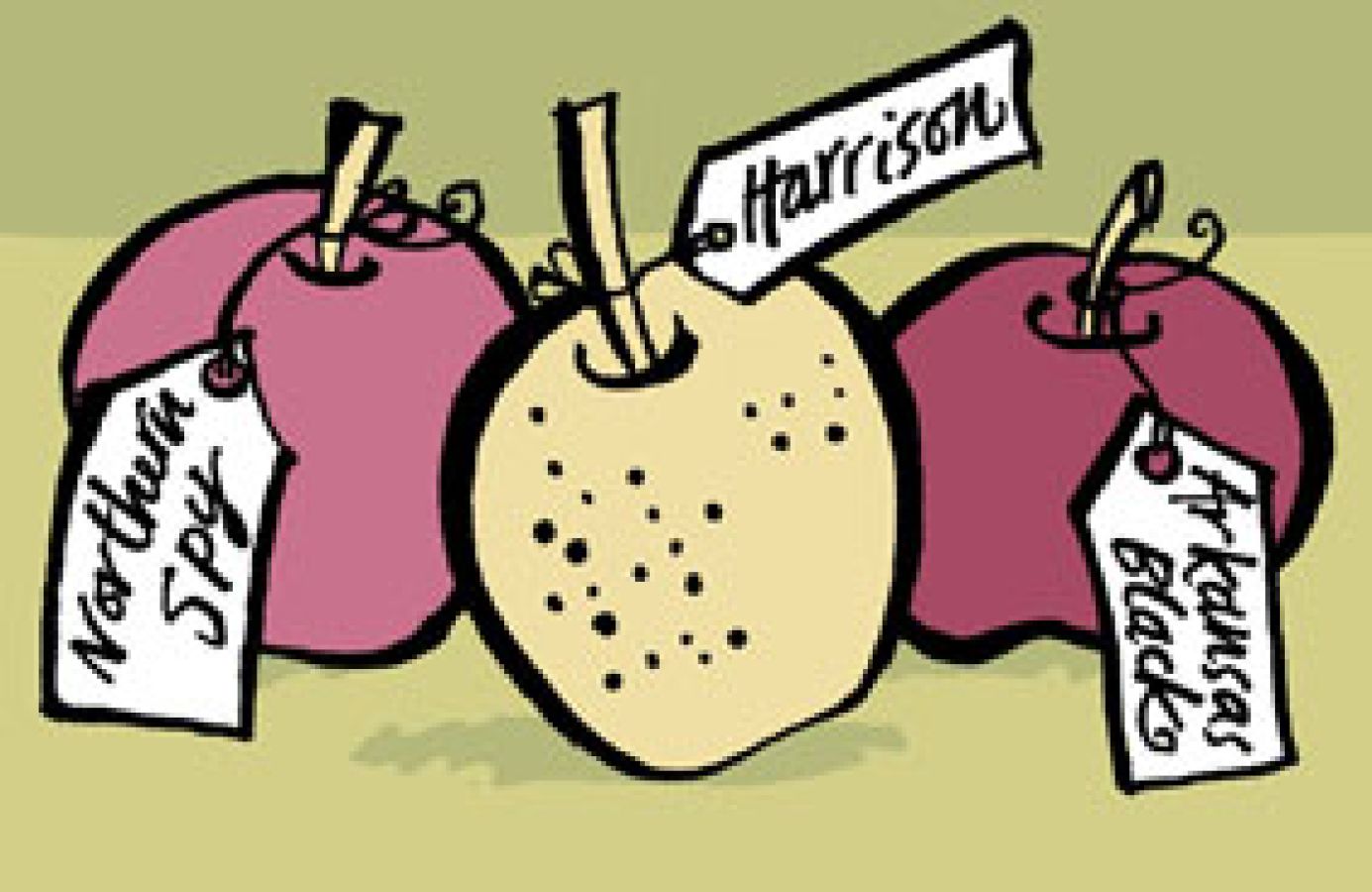
Cider, or hard cider as it’s known in the US, used to be the nation’s most widely consumed alcoholic beverage, choc-full of famous, flavoursome local and regional specialties, such as the quince-like Harrison, hailing from New Jersey but resurrected in Virginia, New York State’s cherry-spice Northern Spy and the complex honey-vanilla Arkansas Black.
-
Apples in North America
Daniel J. Bussey’s definitive 2016 Illustrated History of Apples in America, 30 years in the writing, catalogues 16,350 varieties over seven volumes, and this expansive range of species is sometimes likened to the US’s self-perception as the world’s cultural ‘melting pot.’ While that number is now significantly depleted (approximately 2,500 but estimates vary as many varieties remain uncatalogued), apples and cider remain prominent in the American cultural imagination, mythologised by the likes of Henry David Thoreau, Emily Dickinson and Ralph Waldo Emerson. Whether propagating the folktale of Johnny Appleseed planting orchards across the frontier, the ubiquity of ‘mom’s apple pie’ as a synonym for the wholesomeness that WWII soldiers fought for, or ill-fated President William Henry Harrison running on a platform of ‘log cabins and hard cider’, America’s relationship with apples and apple cider is firmly established, albeit far from simple.
These three articles will explore the history of cider apples in America and the development of American cider apple varieties, considering how they spread across the US, why they fell into decline, their return and their role in American craft cider.
-
Varieties and cultural context
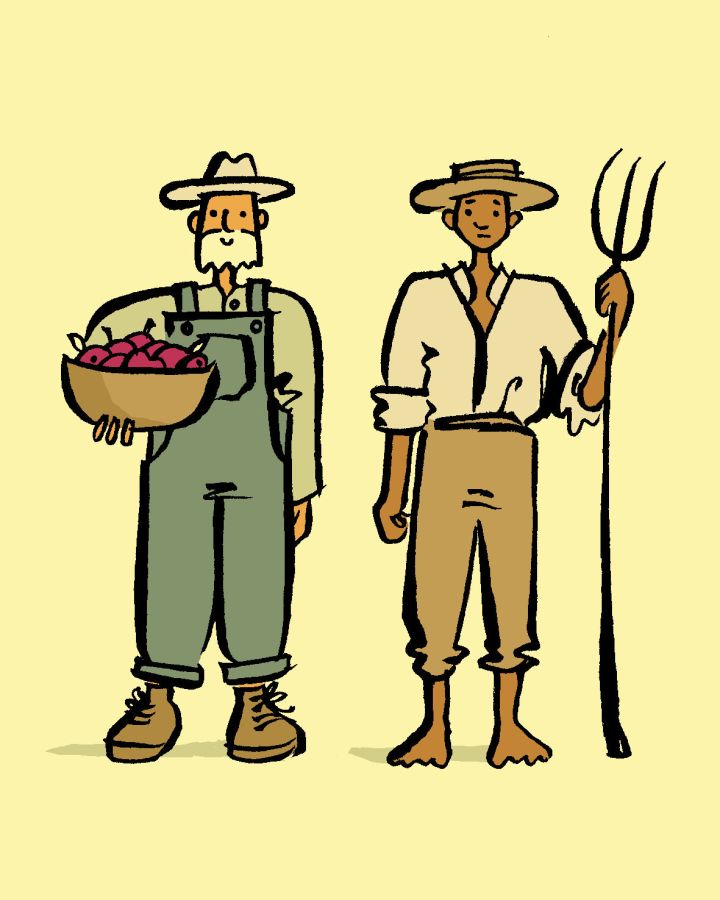
As the craft cider movement gains traction in the US, increasing numbers of cidermakers are invigorating the palates of American cider lovers by working with historic American heirloom cider apples. These varieties are popular with craft cidermakers not just because of their Americanness, but because of their unusual and diverse flavour profiles. Unlike sweet mass-market domesticated apples, heirloom varieties are primarily cider apples, often unsuitable for eating due to their sharp or bittersharp qualities, but bringing depth and complexity when fermented to create blended and single varietal ciders of the highest quality.
The shared history of cider apples in America and the individual histories of many of the best-known varieties are fascinating, complicated, but not always pleasant or happy. Stories of dedicated orchardists saving rare varieties by a whisker sit side by side with those of land grabs, genocide and enslaved labour.
As with much of American mythmaking, the realities of historical violence and displacement are often underplayed in favour of more palatable narratives. However, the growth of the craft cider industry and its interest in historic apple varieties offers an opening for greater awareness of the cultural context from which these apples originate as well as the opportunities they have brought to historic and contemporary cidermaking.
-
The origins of American heirloom cider apples
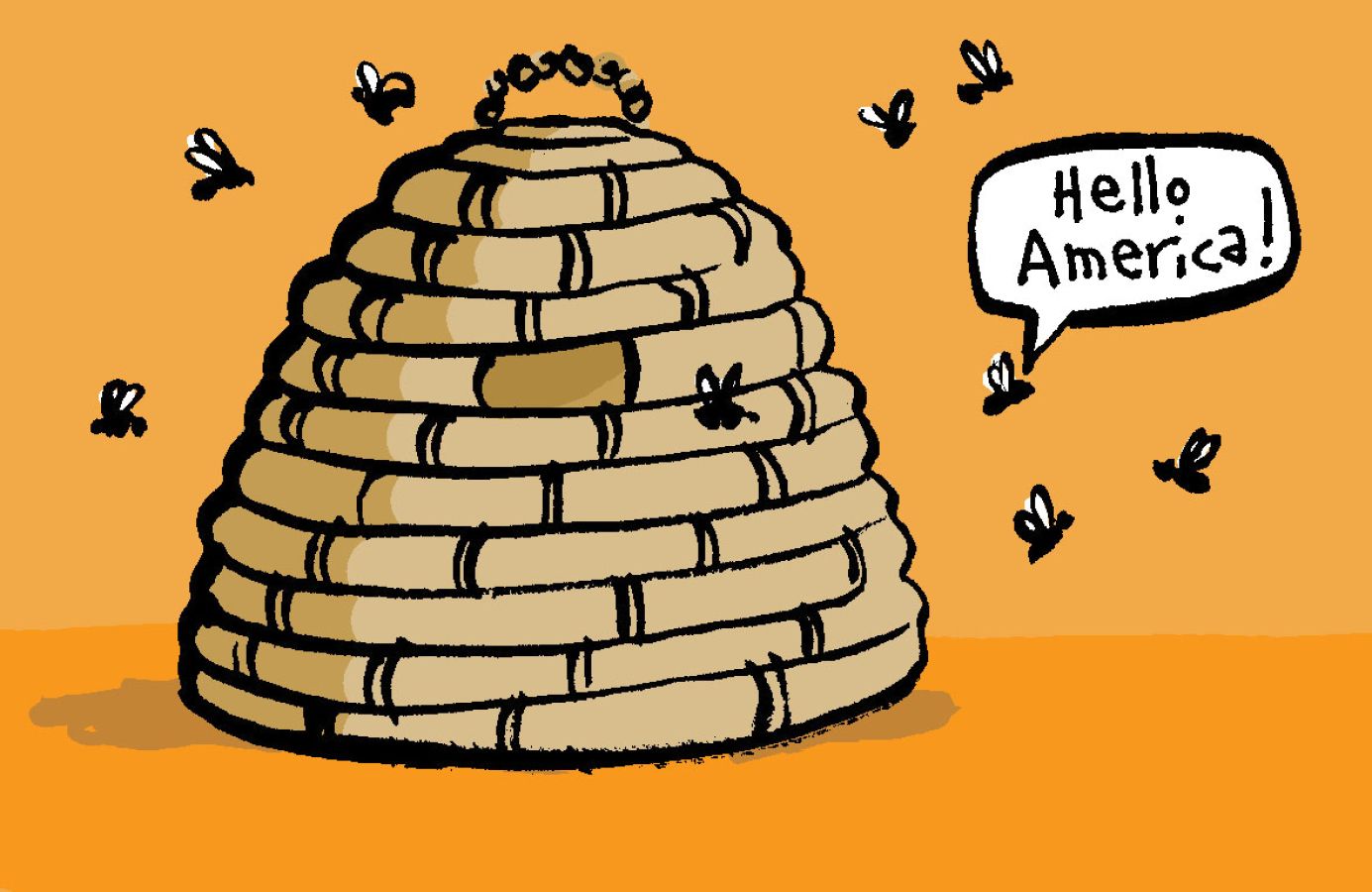
Orchard or domesticated apples (Malus domestica) originate in Central Asia, in the mountains of Kazakhstan, and made their way to Europe by 1500 BC. While crab apples (Malus coronaria) are native to the US and were used by Indigenous Americans for both food and drink, domesticated apples did not reach the US until European colonisers arrived, bringing apples and seeds. These arrived in the pockets of every European from French Jesuits to English Pilgrims and Quaker wives. It is not known for certain who planted the first orchard on American soil. Some sources cite early Boston colonist William Blaxton in 1625. Following the introduction of bees, which were not native to America, for pollination, orchards began to thrive. By the mid-17th century they were prolific across key colonies including Massachusetts and Maryland.
-
So, how did these European apples become American? Apples, like humans, are mostly diploid (there are exceptions), meaning that genetically, there is no guarantee that apples grown from seed will share their ‘parent’ apple’s characteristics – completely killing the whole ‘apple doesn’t grow far from the tree’ saying, which was first used in the US by Ralph Waldo Emerson. He got that one wrong. To create consistency, skilled orchardists employ techniques of grafting and rootstock selection to successfully cultivate a stable variety. However, due to differing conditions, such as climate, soil and water, colonisers found that many of the seeds brought over from Europe did not take root easily or quickly, and if they did take, the apples they produced lacked the favoured characteristics of their ‘parent’ apples.
To combat this, early American orchardists grafted thriving species together to maximise their genetic potential for surviving locally, sometimes mixing both European apples and indigenous crab apples to optimise results. In these ways, apple varieties that were ‘American’ came to exist. Many of these varieties, hardy as they were, were known as ‘spitters’, meaning they were unpleasant to eat (and therefore spat out). However, these bitter, sharp, earthy, hard or sour ‘spitters’ often made great cider.
-
Orchards, Johnny Appleseed and Indigenous Displacement
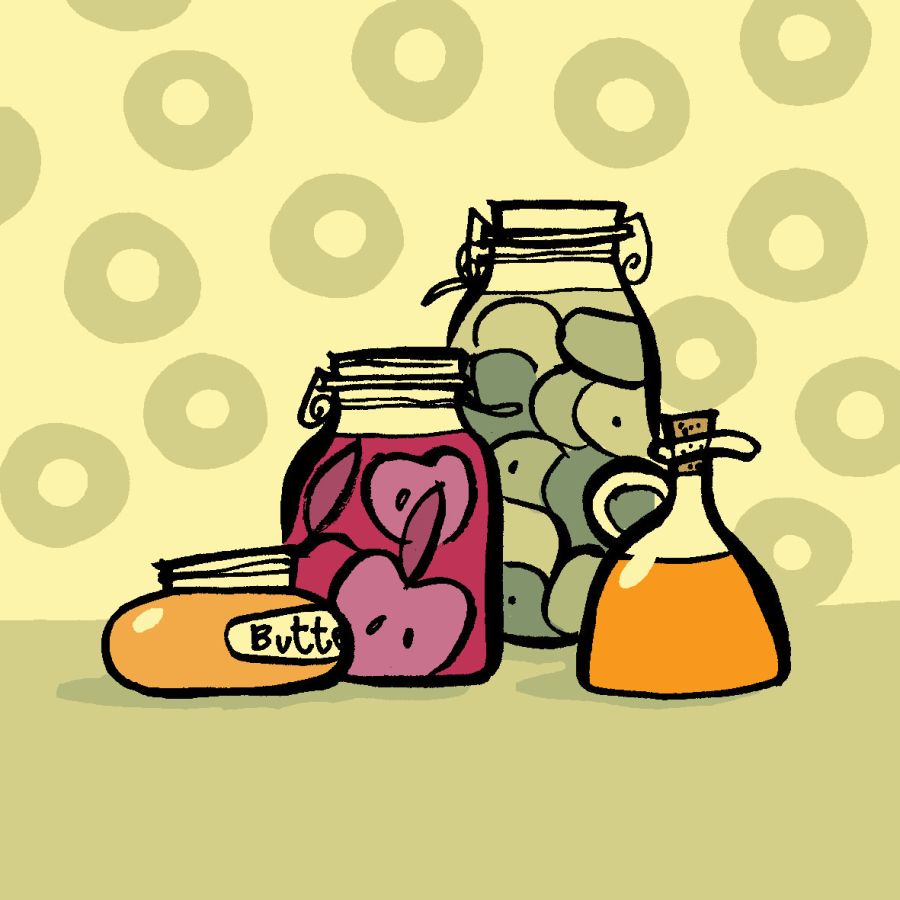
Once European colonists began to successfully cultivate apples, they quickly propagated orchards on a substantial scale. In the early days of the colonisation of Maryland, its founder Lord Baltimore encouraged settlers to arrive with “kernalls of pears and apples, especially of Pipins, Pearmains and Deesons, for making thereafter of Cider and Perry.” Survey records show that by 1644, just ten years later, over 90% of Maryland farms had apple orchards. Apples had many uses, as they could be eaten fresh or preserved and made into butter or vinegar. But it was cider that elevated the apple to the centre of the American table. The Smithsonian Magazine cites that “New Englanders on the frontier drank a reported 10.52 ounces of hard cider per day,” proving safer to drink than water, and was an integral part of the settlers’ diets.
-
Seeding Manifest Destiny and Erasure
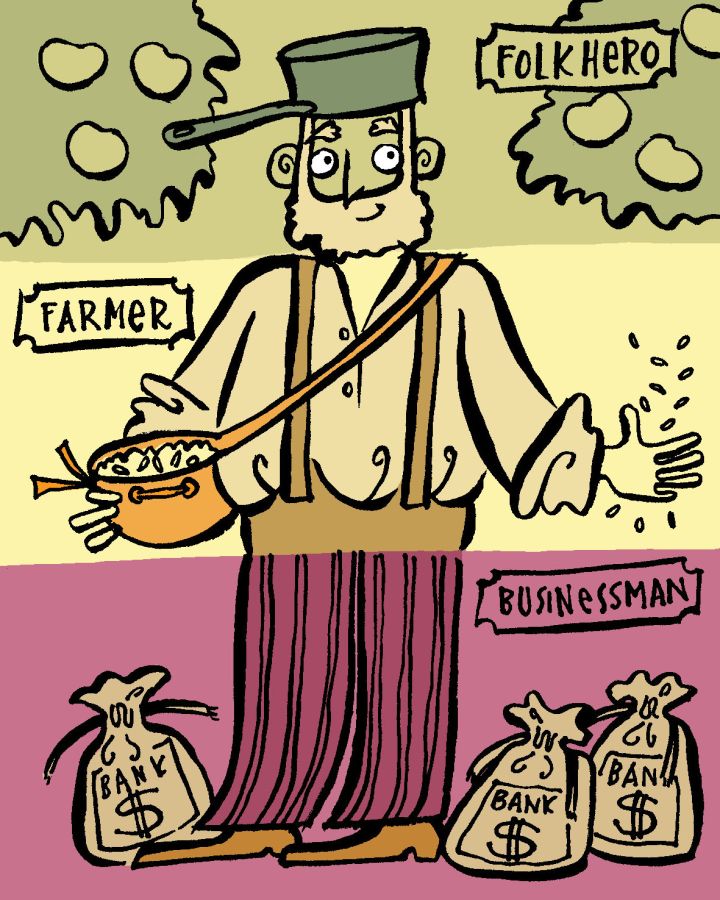
At this point in the story, comes the legend of Johnny Appleseed, the fabled folk hero dubbed generously by Wikipedia as an ‘American Gardener,’ whose mythologised exploits sowing seeds across the frontier elevated him to the status of ‘national treasure.’ Literary references and statues abound; there’s even a Johnny Appleseed Festival and two dedicated museums. However, all was not quite as it seemed. John Chapman, as was his original moniker, was not planting apples to feed the hungry. A member of the Swedenborgian Church which forbade apple grafting, Chapman grew nurseries from apple seeds, growing mostly spitters whose produce were suitable only for cidermaking.
Not only was Chapman knowingly growing cider orchards, he was far from the philanthropist legend claims, instead an active agent of the white colonising myth of Manifest Destiny. From the late 18th century, the Ohio Company of Associates incentivised settlers with the offer of 100 acres of free land to set up home in the contested territory. Settlers were required to plant 50 apple trees and 20 peach trees in three years to cement their presence. Chapman profited from his skills by cultivating nurseries along the frontier which he sold to incoming homesteaders at a profit, giving each their own cider orchard, cashing in before moving on. Hardly a poster child for benevolence.
-
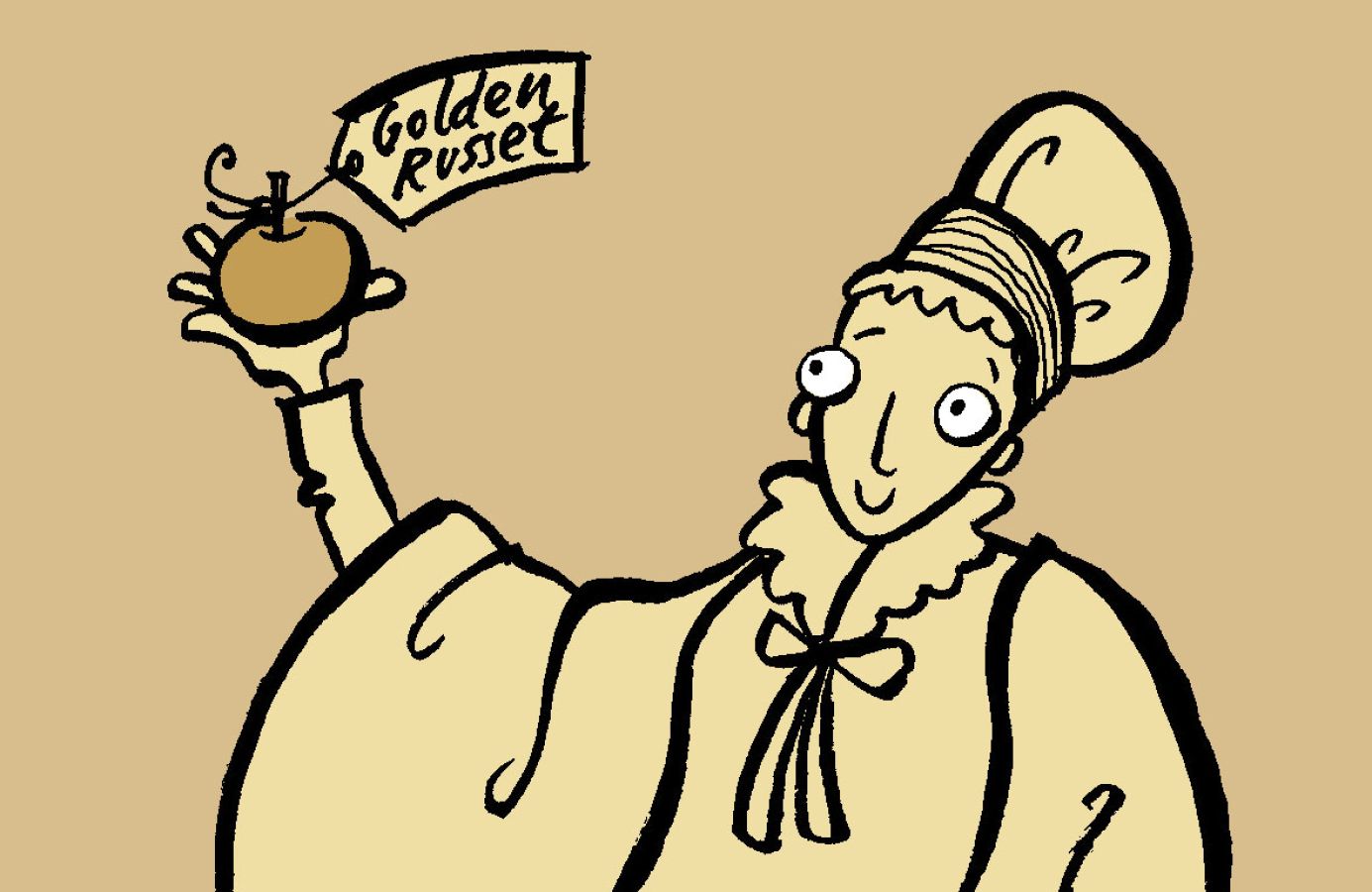
Someone who was in fact benevolent was Quaker minister Ann Jessop. Long before Chapman was even born in 1774, Jessop (born 1738) was importing English apple scions (cuttings) carefully selected for their sturdiness and consumability. She travelled, often solo, sharing her scions and establishing orchards of edible apples across every state and territory west of the Mississippi, all while preaching the Quaker religion and raising eleven children as a widow. Many of her scions also made excellent cider, such as Golden Russet, the ‘champagne of apples’ and White Winter Pearmain. While you won’t find statues commemorating Jessop, a fate she shares with so many women whose important work is written out of popular history, her contribution to American orchard development and cidermaking is recognised in Helen Humphrey’s thoughtful and interrogative study The Ghost Orchard.
(https://www.finnriver.com/honoring-the-story-of-annie-appleseed) -
Chapman, on the other hand, served himself rather than his community, but his profiteering was hardly unique. Each new influx of settlers and escalation in white expansionist policies, such as the 1830 Indian Removal Act and 1862 Homestead Act, led to attacks and land grabs, disenfranchising Indigenous Americans and stealing or destroying their orchards. Many Indigenous Americans had already been cultivating native crab apples, and quickly began to plant and nurture the new arrivals. Tribes including the Oneida from the Great Lakes, the Nez Perce and Chinook in the Pacific Northwest, the Algonquians from the northeast USA to Canada, the Shawnee in Missouri and Cherokee in Arkansas were among many who successfully establish heirloom apple orchards. Settlers, noticing the tribes’ bountiful orchards and the quality of the land they were cultivating on, were keen to claim it for themselves, unafraid to use violent displacement to do so. In one particularly horrific example, future President George Washington took a break from fighting the British in 1779 to send Generals Clinton and Sullivan to implement a scorched-earth policy across the Six Nations of the Iroquois’ beautiful, fertile Fingers Lake land in upstate New York, burning their flourishing orchards to the ground. This was the largest attack on Native nations at the time, leaving the land free for white settlement in what is somewhat unsettlingly now one of the key craft cider-producing regions in the US.
-
Enslaved cidermakers and the Founding Fathers
The orchards left by the Indigenous Americans following their forced removal were regularly appropriated by white settlers, albeit often in name only. While apple orchards remained a staple of family farms, whether cultivated or stolen, they were also a key feature of plantation agriculture, tended by enslaved persons across the early colonies. During this time cider, particularly quality cider made with popular apple varieties, was used as a form of currency as well as a household staple, so wealthy landowners would use enslaved labour to grow larger orchards and make more cider than their household required for the purpose of sale or barter. In her excellent article George and Ursula Granger: The Erasure of Enslaved Black Cidermakers, cider author, educator and Certified Pommelier Darlene Hayes meticulously researches the stories of several enslaved orchardists and cidermakers, overturning many common assumptions. Finding out information on the roles of enslaved individuals involved in colonial and post-revolutionary cidermaking is challenging due to lack of records, but Hayes has succeeded in discovering names and stories of many enslaved people whom documentation shows may have been involved in cidermaking, including Betsey, George, Hagar, Myra, Nancy, and Stephen, who were owned by Isaac Royall, Jr. of Massachusetts and Daphne, Caroline, Isaiah, Will, Enoch, and Julius, who were owned by John Blackford of Maryland.
-
Hayes highlights that enslaved persons made cider in New England with the purpose of raising funds to support slave-owners’ properties abroad, particularly in the Caribbean, and also offers exceptionally detailed insights into the roles of enslaved persons in orchard management and cidermaking on the estates of early Presidents George Washington and Thomas Jefferson.
Both Washington and Jefferson’s love of cider is well documented in popular culture, and, as with beer, both produced their own on their respective estates, Mount Vernon and Monticello. However, again as with beer, the skilled labour of producing the ciders these two ‘Great Men’ of American history quaffed fell to the people whom they owned. To quote Hamilton, “We know who’s really doing the planting.”
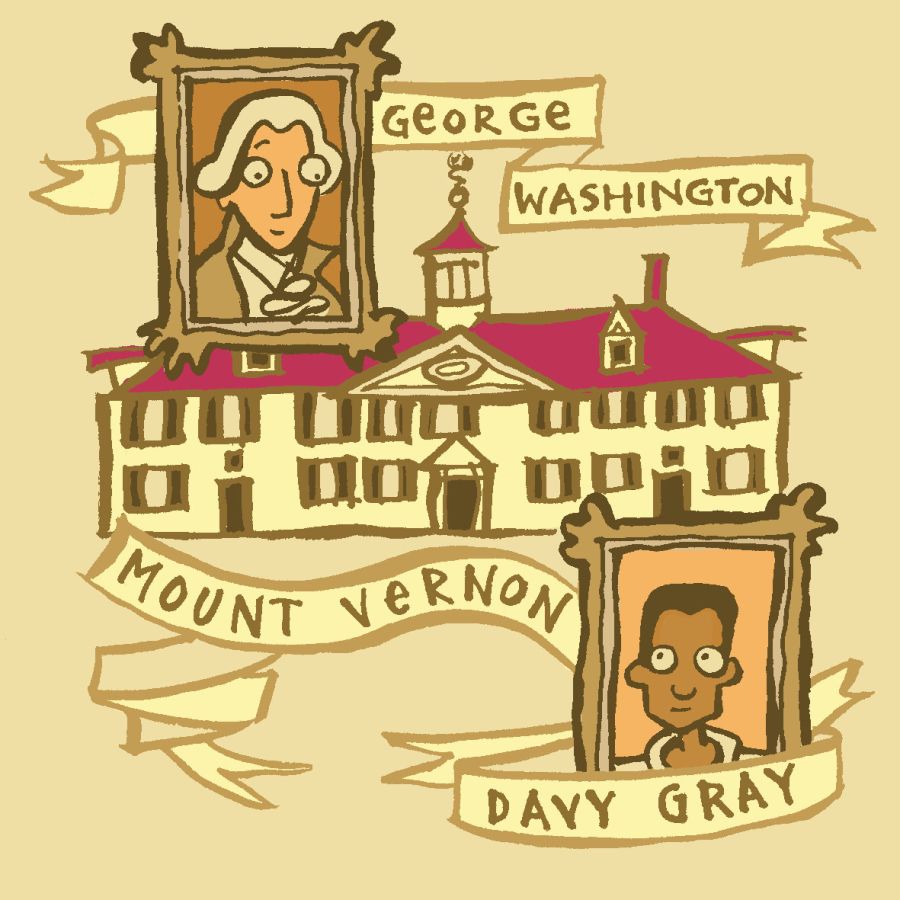
At Mount Vernon, Washington’s records, such as they are, indicate that primary responsibility for cidermaking lay with his overseers, who were mostly white. Nonetheless Hayes points to the potential role of Davy Gray, one of the 251 enslaved persons Washington owned, in overseeing cidermaking. Washington was known for being generous with his booze, especially when it came to electioneering, so it’s more than likely many enslaved persons made cider at several if not all of the five contiguous farms on Mount Vernon.
-
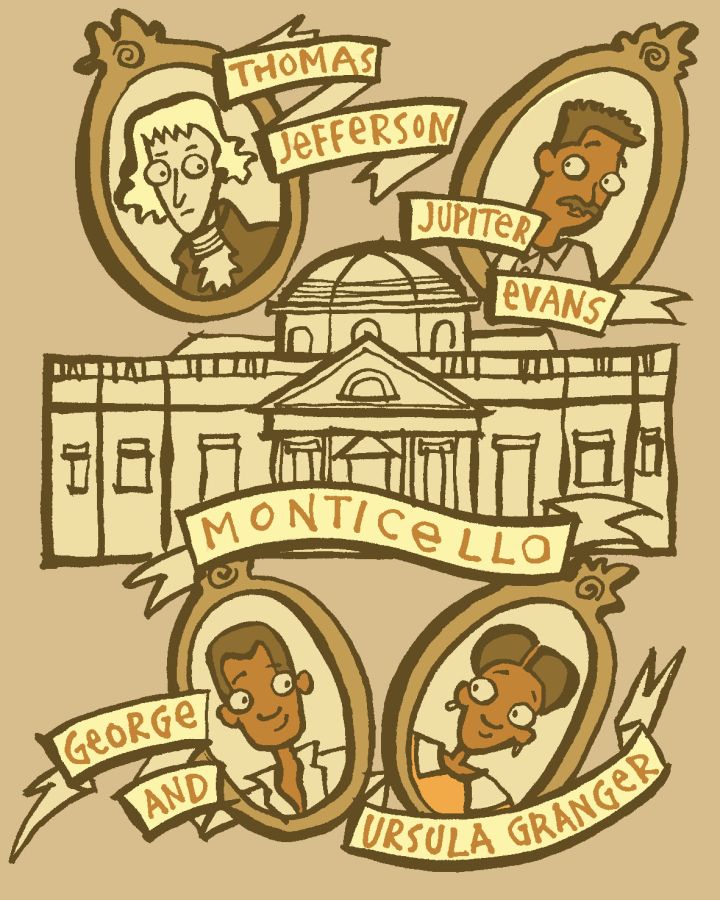
Jefferson’s more meticulous record-keeping means that historians have been able to uncover the story of George and Ursula Granger, for which Hayes’ article is named. The Grangers were both heavily involved in cidermaking at Monticello, with documents showing George was both an orchardist and cidermaker, with Ursula having responsibility for bottling. Jupiter Evans, Jefferson’s enslaved personal attendant, was also potentially involved in cidermaking and bottling at Monticello. Jefferson considered himself a cider connoisseur, devoting his orchards to the cultivation of just the four varieties he most favoured; Hewes' Crab, Taliaferro, Newtown or Albemarle Pippin and Esopus Spitzenburg. No seed planting for Jefferson though – his trees were grafted with care by his white servants and Black enslaved people to ensure the quality and consistency of his cider production. His passion for the now-lost Taliaferro will be visited in Part Three.
These histories contest both the concept of American heirloom apples as a metaphor for American integration and the apple as America’s “democratic fruit,” as described by Virginian James Fitz in 1872. What is true, however, is the importance of apple cultivation and consumption across America prior to the Industrial Revolution. Like other tools of colonisation such as guns and horses, apples and cider spread across the country, became Americanised and relied upon as a tool of oppression and survival. So, how did cider go from being the most popular drink in America to near-nonexistence before its craft revival?
-
From Smallholdings to Cities, Popularity to Prohibition
With thousands of apple varieties propagating farms and growing wild all over the country, you might imagine it would be difficult to kill off so many and drive many more close to extinction. However, a perfect storm of circumstances brewed during the second half of the nineteenth century to decimate these distinct and often hyperlocal varieties.
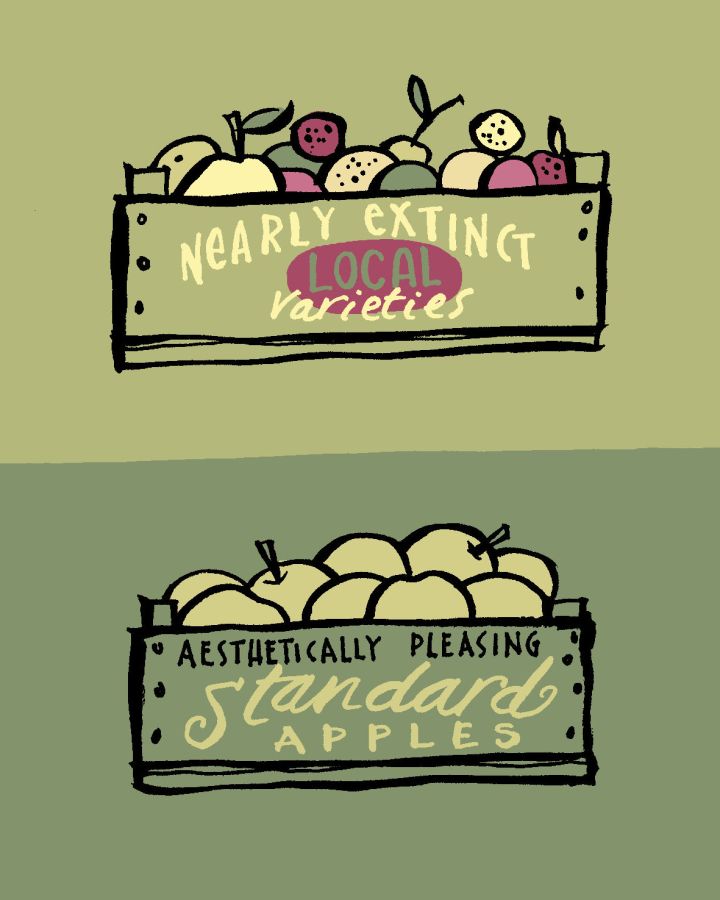
Popular rhetoric often cites Prohibition as the root cause of cider’s demise, with tales of temperance devotees and FBI agents hacking down orchards in the name of sobriety. However, the true picture is far more nuanced and began far earlier. With the end of the Civil War, many plantations lay abandoned and some cider orchards in the south were felled for firewood towards the end of the war. Urbanisation and industrialisation also changed the American landscape, moving society away from family farms and into cities, leaving homestead orchards abandoned. These were then replanted with other more profitable or consistent crops or homogenised into varieties of apple bred for hardiness and aesthetics. Remaining producers needed fruit they could transport easily to an urban population, where standardisation made apples easier to sell. Without active cultivation, local varieties simply disappeared, but there were other factors at play too.
-
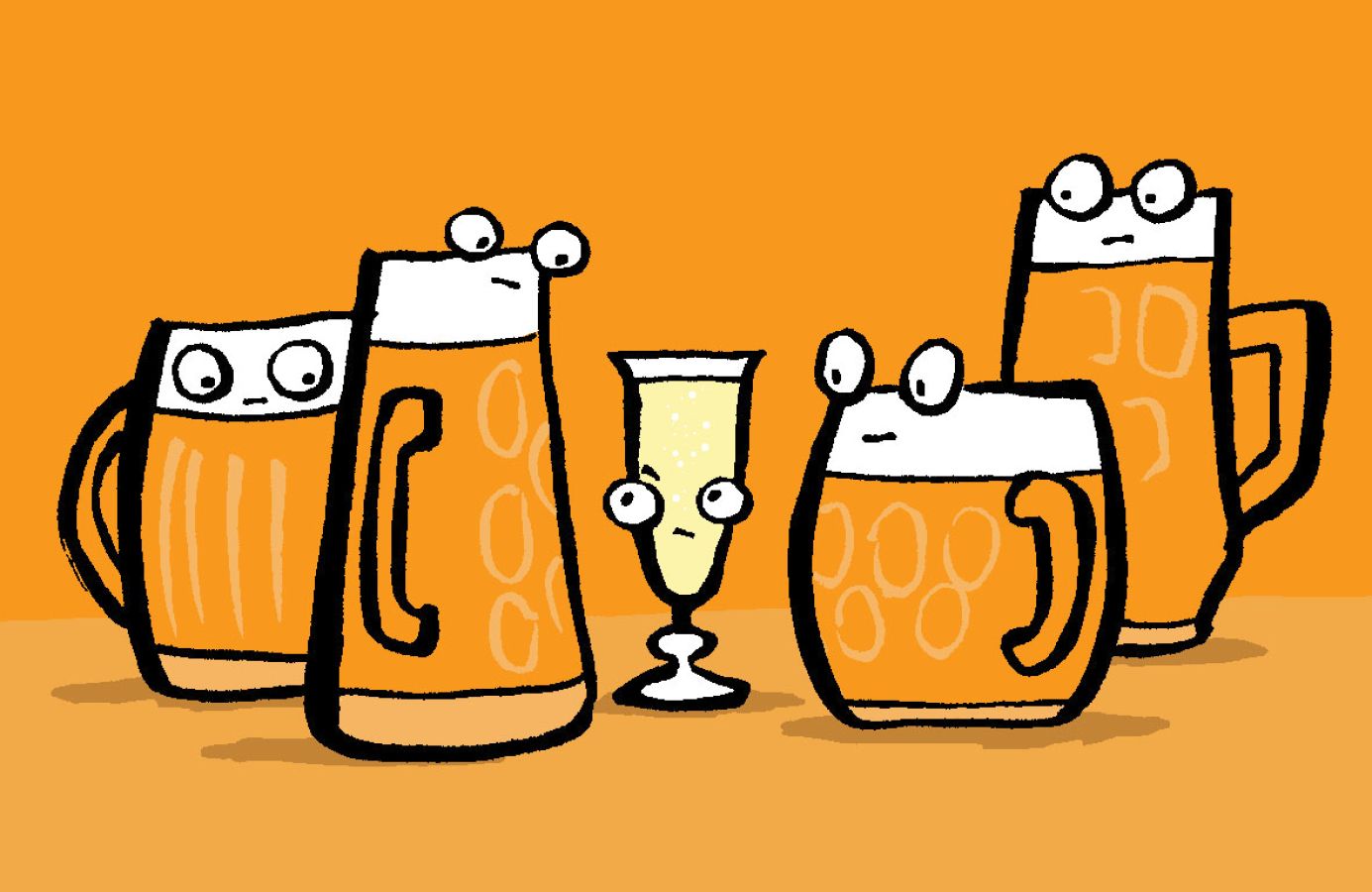
The influx of Central European immigrants to the US from countries including Germany and the Czech Republic had a significant impact on the demise of heirloom apples. With them, they brought their established and popular beer culture and brewing methods, which were adopted by America at large, as biergartens blossomed from Chicago to Texas. Grain was far easier to grow on an industrial scale than apples, with refrigeration and the rise of the railway making mass-produced beer accessible across the country. Drinking tastes changed to match changes in accessibility and culture, and by the end of the 19th century, beer had replaced cider as the most popular drink in America, long before Prohibition began in 1919.
-
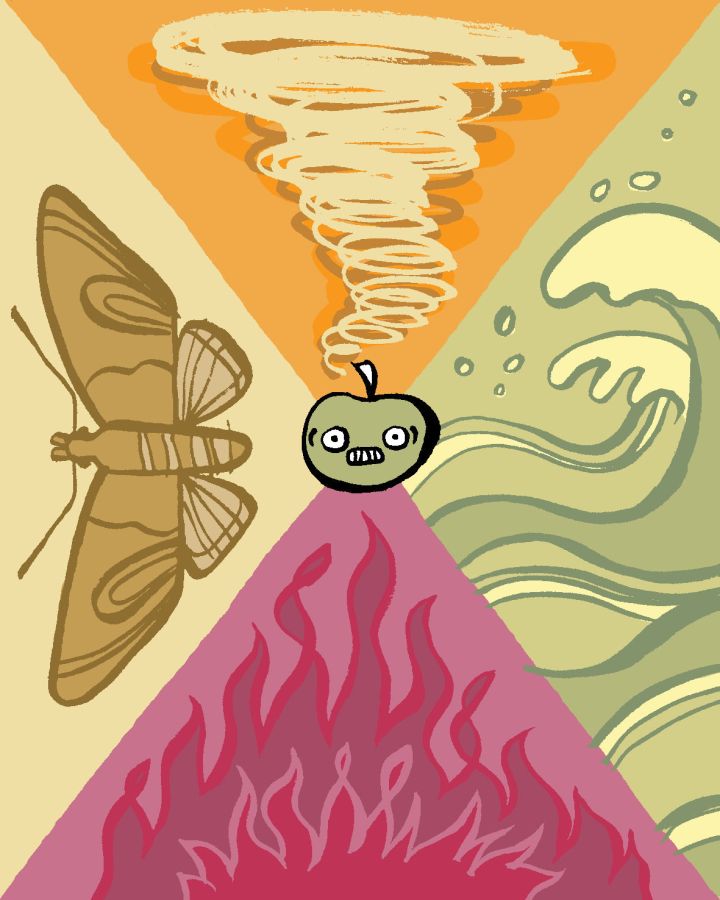
Of course, both temperance and Prohibition played their roles, but they were not as dramatic as folklore may have you believe. As cider historian Mark Turdo has painstakingly researched, stories of orchard sabotage, like many other urban myths, have self-propagated to the point of becoming established as fact, and may even have been done so deliberately by temperance activists. Turdo notes that cider was already on the decline long before Prohibition, and affirms that “such vandalism has always been illegal and anyone who did so would be liable to prosecution.” Turdo also highlights the ambiguity of cider’s legal status during Prohibition, again demonstrating a combination of factors at play. However, with many early adopters of the temperance movement coming from Northern European cider-drinking cultures rather than beer-drinking Central Europe, there was certainly a connection, if more tenuous than advertised. Adverse weather including fires, floods and tornadoes also damaged and destroyed orchards, along with blights, such as codling moths and apple scab fungus.
So, with cider on the wane and heirloom orchards dying out, and beer culture taking over for the 90+ years post-Prohibition, how has the American craft cider movement gone about resurrecting heirloom cider apples and bringing them back into vogue? And how do we as contemporary cidermakers and drinkers address the difficult parts of these apples’ histories? Find out in Parts Two and Three.