Government and Hospitality – The Portman Group
Series: Regulatory HistoryThe self-appointed drinks industry regulator treads the fine line between frustrating the breweries, the government and the anti-alcohol lobby. And to be fair they’re doing a pretty good job; all things considered.
Illutrations by Christine Jopling
Things you will learn

- The Portman Group creation
- Alcohol Concern UK
- Reduce alcohol harm
- A New Code and Cartoon Complaints
-
The Portman Group creation
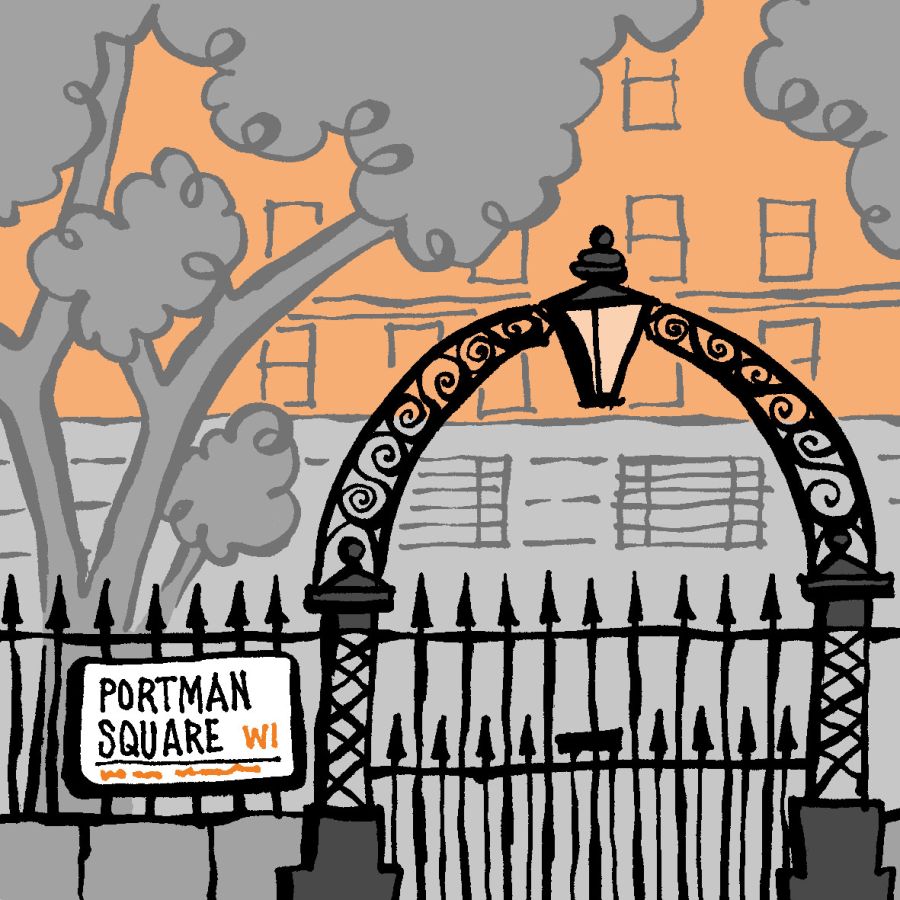
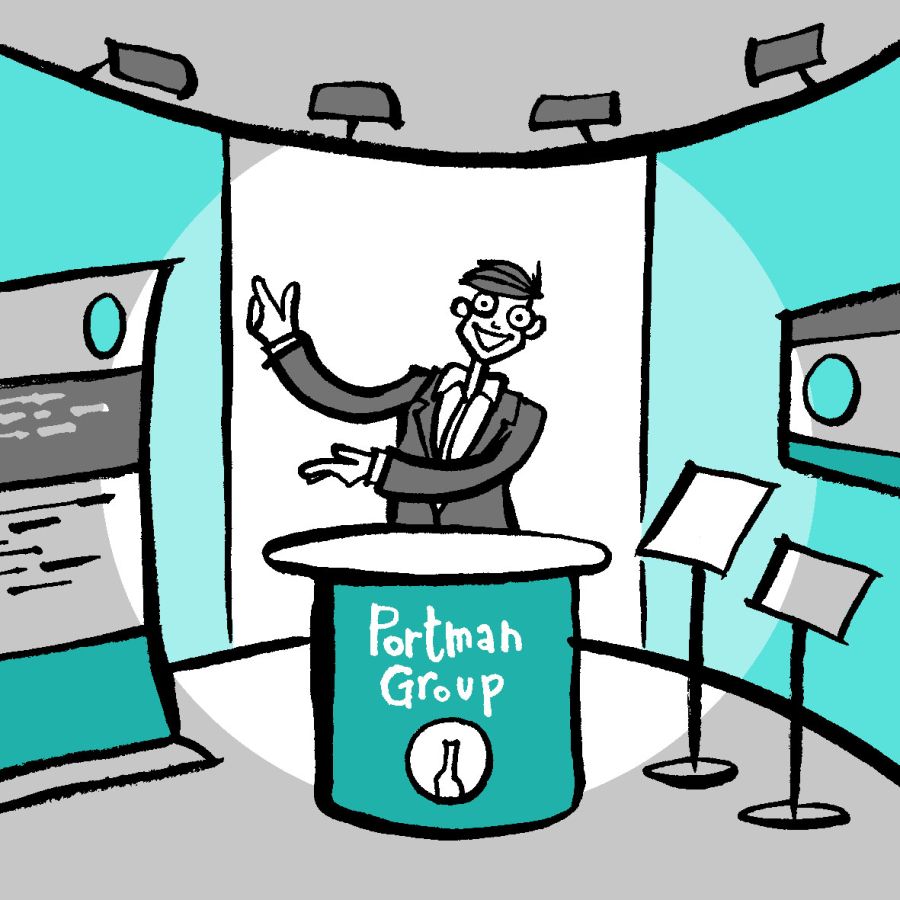
The mid to late 1980s saw a lot of alcohol industry introspection ahead of the looming changes to the Beer Orders. The six big breweries had a near monopoly on the beer market, producing most of the beer and owning most of the pubs but change was coming with the forthcoming Supply of Beer (Tied Estate) Order and the alcohol industry in general feared that more Government regulation wouldn’t be far behind and decided to act before they were forced to accept something worse. Lager louts and drunken hooliganism was on the rise, Binge Drinking was rife amongst teenagers and by 1989 30% of 11 to 15 year olds were drinking alcohol at least once a week. The drinks industry realised that it needed to clean up its act, before the Government stepped in and regulated it for them. So, in 1989 the six biggest producers got together in Guinness’s offices in Portman Square in London and formed The Portman Group with the idea to take responsibility for the regulating of the way that alcohol was promoted and marketed; and to restrict sales for those that acted irresponsibly.
-
For the first five years it maintained a very light handed approach, with only an average of one product a year falling foul of its new self regulation. But in 1994 the Children's Certificate was introduced into law and children were allowed into pubs causing anti-alcohol campaign groups to worry that drinks manufacturers were seeing these underage drinkers as a new market. To address these concerns, in 1996 The Portman Group introduced their first Code of Practice: a set of definitive rules about what manufacturers couldn’t do to promote their products.
-
Alcohol Concern UK
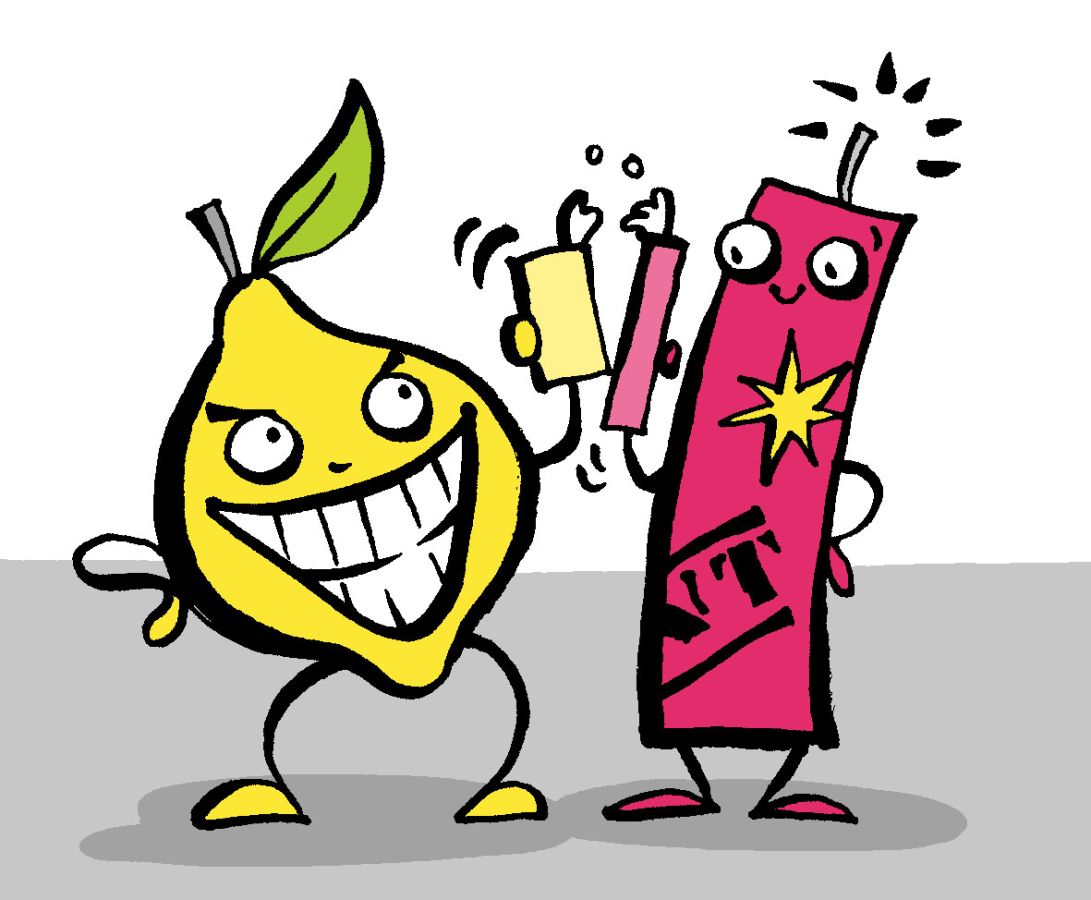
In the first month since the Code’s implementation, Alcohol Concern UK, now known as Alcohol Change UK, made seventeen complaints about products. They would have been responsible for all the initial complaints were it not for a member of the public complaining about the use of the word “Albino” to name a product and how it might stigmatise those with Albinism. Of those seventeen complaints, only four were upheld. They were against Jammin from the Split Drinks Company and Hooch from Bass for the use of a cartoon character; along with Heist from Whitbread and TNT Liquid Dynamite from Round Imports because the name dynamite could be associated with violent behaviour.
Alcohol Concern remained by far and away the major submitter of complaints to the Portman Group in its early years up to early 2001, submitting 39 of the 94 complaints received. Of those 39 complaints, only 12 were upheld. Of all those 94 complaints received in the first five years of the Code of Practice, only 30 were upheld.
-
Reduce alcohol harm
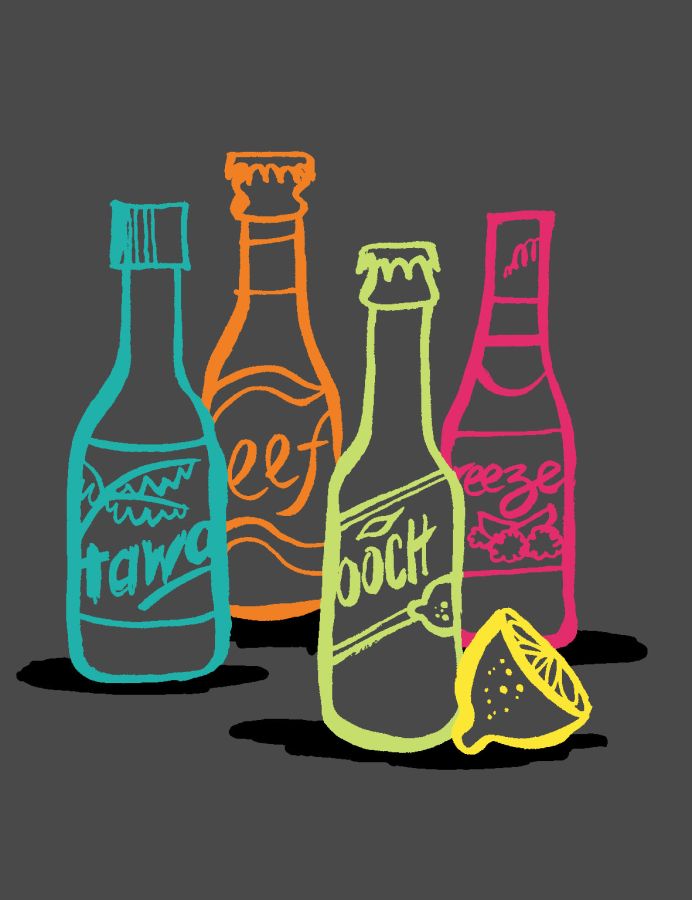
The only other organisation that has made a large number of complaints is Alcohol Focus Scotland, the Scottish equivalent of Alcohol Concern. But it’s not just been the two main alcohol charities that have been submitting complaints, quite a fair proportion of them have been made by members of the public; which were generally not upheld.
Between 2003 and 2007 a lot of the complaints could be seen as petty – manufacturers who had fallen foul of the code going on to report their rivals whose similar products were still on sale. These years saw no complaints upheld against breweries for their beers. The only complaint made was in 2005 against Zebedee from Rebellion Brewery; because it had a cartoon character from an old children’s television show on the pump clip. But it was decided by the independent panel that the show was an old one and therefore wouldn’t appeal to children of the time. It seemed that the breweries had adopted a more mature attitude to promoting their beers.
During that time, in 2004 The Portman Group established DrinkAware to actively promote temperance in drinking and to try and stem the rise of the popularity of alcopops, shots and binge drinking. Three years later in 2007 DrinkAware became its own separate charity as it was becoming more obvious that whilst the aims were similar, they weren’t quite the same. The Portman Group’s focus was, and still is on responsible promotion of alcohol, while DrinkAware was focussing on reducing alcohol harm – a bit like both Alcohol Concern and Alcohol Focus Scotland.
-
2007 was the same year that the smoking ban came in across England. The Labour Government of the time were on a major national health kick which perhaps inspired the fourth edition of the Portman Group’s Code of Practice in 2008, and in turn saw Alcohol Concern, Alcohol Focus Scotland, and several local authorities Alcohol and Drug teams making the majority of complaints to the Portman Group about the way in which alcohol was marketed. It seemed that they weren’t happy with the effectiveness of DrinkAware.
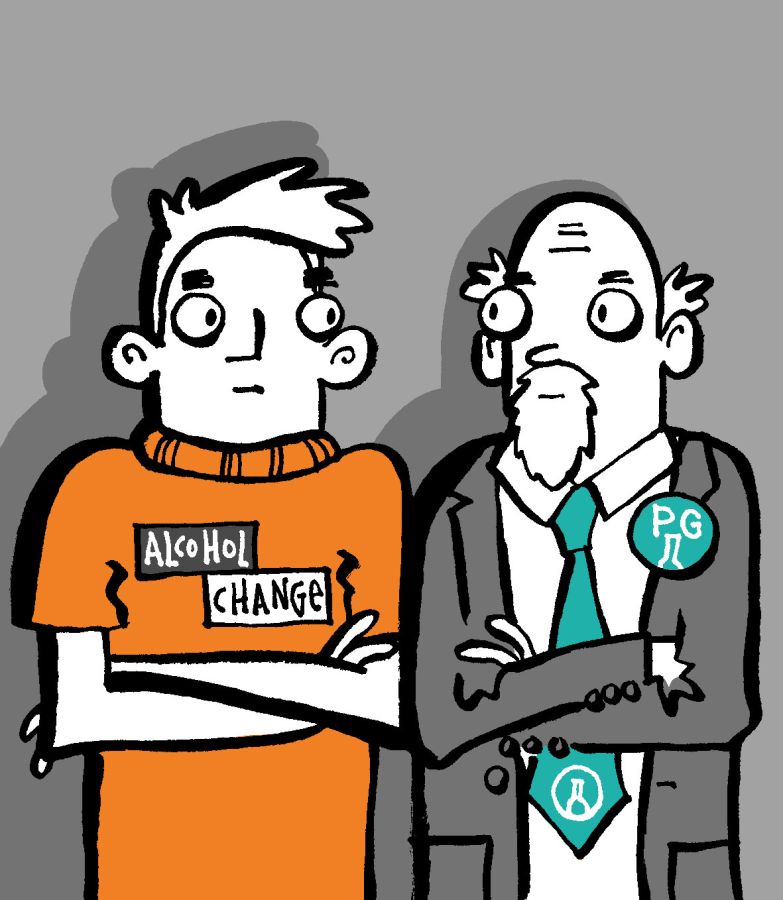
This came to a head in 2018 when Alcohol Concern, now called Alcohol Change UK published their Fit For Purpose report into The Portman Group. Alcohol Change reviewed the complaints made between 2006 and 2017 and determined that The Portman Group’s independent panel wasn’t consistent and wasn’t responsible to anyone. The report went on to conclude that The Portman Group should be scrapped and replaced by an independent regulator outside of the drinks industry who would report to Parliament. The proposed new regulator would cover the roles of The Portman Group, the Advertising Standards Agency and “other relevant bodies” which was their way of saying they should have a say in upholding their own complaints. The Government, however, didn’t agree and The Portman Group continued to be the industry regulator.
-
A New Code and Cartoon Complaints
The Portman Group did sit up and take notice though, and in 2019 released the 6th edition of its Code of Practice. As part of releasing this latest edition of the code they also reached out to smaller producers, attending industry trade shows and talks, and getting feedback from those who the code affects to work with them before complaints arose. As a result of this, since the introduction of the 6th edition, Alcohol Change has made only two complaints to the Portman Group, neither of which were upheld. Alcohol Focus Scotland has also only made two complaints, one of which was upheld. By comparison, the vast majority of complaints reviewed under the 6th edition have come from members of the public, 138 of them. Cartoon characters are still one of the most complained about things in alcohol promotion, with Tiny Rebel receiving 39 complaints just within the last edition of the code, for their use of what has been described as a Punk Pudsey Bear, and Beak Brewery received 24 complaints in April 2024 for its use of bright and colourful characters on its cans.
-
Over the years this self appointed, non-government, self regulatory body has walked the fine line between annoying the producers and annoying the anti-alcohol lobby. And it’s been very effective. If it had not been set up then we would surely have seen a body set up with anti-alcohol and health campaigners on the committee reporting directly to the Government and their popular sound bites.
The Portman Group may not be perfect, but they do show what can be achieved when the Government doesn’t interfere, but rather lets the industry sort things out itself towards an agreed goal.